Marine Collagen vs Bovine Collagen: Which Is Best for Acne?
Read about marine collagen vs bovine collagen for acne-prone skin, learn which collagen is best to use, ingredients to avoid, and how to choose a clearer-skin supplement to support your skin's health.

When you have acne-prone skin, adding a new supplement can feel like a bit of a gamble. You want the glow. You want the stronger skin barrier. You want that “beauty from within” support everyone talks about. But you also don’t want to wake up three weeks later wondering why your chin, jawline or forehead has suddenly decided to flare up.
So, where does collagen fit in?
More specifically, when it comes to marine collagen vs bovine collagen, which one is better for acne-prone skin?
The honest answer is: collagen is not an acne treatment, and it will not replace a consistent skincare routine, prescription treatment or professional advice. But if you’re choosing a collagen supplement and your skin is easily congested, reactive or breakout-prone, marine collagen is usually the smarter place to start.
Let’s get into why.

First, Can Collagen Cause Acne?
Collagen itself is not considered a classic acne trigger in the same way excess oil, blocked pores, inflammation, hormones or certain comedogenic skincare formulas can be.
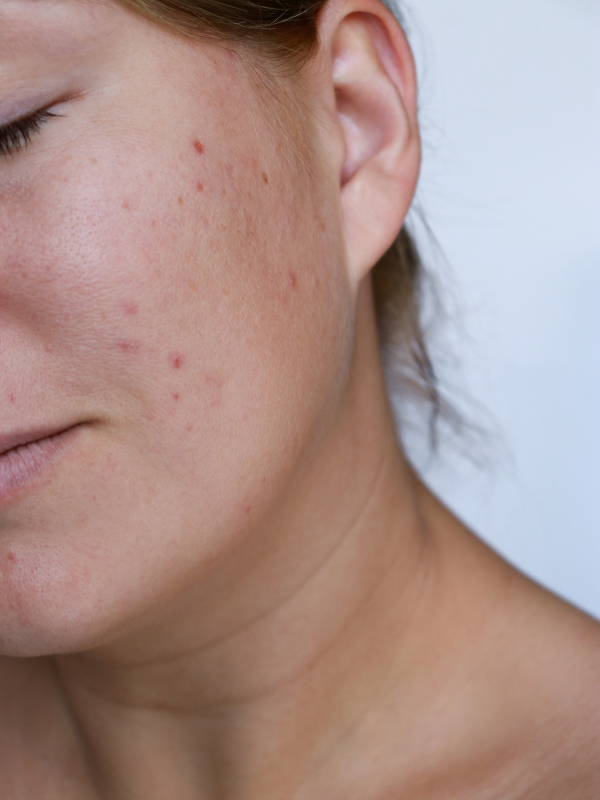
Acne happens when pores become blocked with oil and dead skin cells. From there, bacteria and inflammation can become involved, which is why breakouts can look like blackheads, whiteheads, red bumps, pustules or deeper painful cysts.
That said, some of our community do notice breakouts after starting a collagen supplement. Usually, the issue is not always the collagen peptide itself, it can be the overall formula.
Think added whey protein, dairy fillers, high-sugar blends, artificial sweeteners, flavourings or ingredients that do not agree with your digestion. If your skin already reacts easily to changes in diet, hormones or supplements, it is worth being extra picky with the label.
In other words, the question is less “does collagen cause acne?” and more “which collagen formula is least likely to annoy acne-prone skin?”
Marine Collagen vs Bovine Collagen: What’s the Difference?
Marine collagen is sourced from fish, usually fish skin or scales. It is typically rich in Type I collagen, which is the main type of collagen found in the skin.
Bovine collagen is sourced from cows, usually the hide, bones or connective tissue. It often contains Type I and Type III collagen, making it popular for wider skin, joint, bone and connective tissue support.
Both can have a place in a beauty and wellness routine. The difference is that marine collagen tends to be more skin-focused, while bovine collagen is often seen as more of an all-rounder.
For acne-prone skin, that distinction matters.
So, Which Is Best for Acne-Prone Skin?
If your main concern is acne, skin congestion or skin that flares easily, marine collagen is generally the better option.
Not because it “treats” acne, but because it tends to tick more boxes for breakout-prone skin.
Marine collagen peptides are often smaller and more easily absorbed, which may make them a lighter option for people who find some supplements sit heavily or upset their digestion. It is also usually rich in Type I collagen, the collagen type most closely associated with skin structure, firmness and hydration.
This makes marine collagen a good choice if your goal is to support the overall quality of your skin while keeping your supplement routine as simple and skin-focused as possible.
Why Marine Collagen Often Wins for Acne-Prone Skin
1. It Is Rich in Type I Collagen
Type I collagen is the collagen type most associated with the skin, because it helps support your skin’s structure and is often the focus of beauty-led collagen supplements.
For acne-prone skin, this is useful because breakouts are not the only concern. Some of our community are also dealing with post-breakout marks, uneven texture, dehydration, dullness or skin that feels less resilient after repeated flare-ups.
Marine collagen will not fade acne marks in the same way a targeted ingredient like vitamin C, azelaic acid or retinoids can, but it can sit nicely in a wider skin-supporting routine.
2. It Is Often Easier to Absorb
Marine collagen is commonly chosen because its peptides are smaller and easy for the body to use. If you are acne-prone and supplement-sensitive, this can be helpful.
The easier a product is to fit into your routine without bloating, discomfort or digestive drama, the more likely you are to actually stick with it. And with collagen, consistency is where the results tend to come from.
3. It Can Be a Cleaner, Simpler Choice
Not all marine collagen supplements are automatically acne-friendly, but many formulas are relatively simple.
For example, Ancient + Brave Wild Collagen Supplements is a straightforward marine option, formulated with hydrolysed marine collagen peptides and designed to mix into hot or cold drinks. If your skin reacts to long ingredient lists, a simpler formula like this can feel easier to assess.
If you prefer a ready-to-take option, Revive Collagen Enhanced Plus 28 Days Supplement contains 10,000mg of Type I hydrolysed marine collagen per serving, alongside vitamin C, vitamin D, B vitamins, retinol and hydrolysed keratin. This is more of a full beauty supplement, so it is especially important to check the ingredient list if your skin is reactive or if you are avoiding certain ingredients.

When Might Bovine Collagen Be Better for Acne?
Our clinic manager, Kimberley Medd, has some advice on when bovine collagen might be better for treating acne. 'Bovine collagen is not “bad” for acne-prone skin. For many, it is perfectly well tolerated.
It may be a better fit if you are allergic to fish, do not eat marine-derived ingredients, or want a collagen that supports more than skin alone. Bovine collagen is often chosen for skin elasticity, joints, bones and connective tissue.
Ancient + Brave True Collagen Supplements is one bovine option to use. It contains 5000mg of hydrolysed bovine collagen peptides per serving and is designed to support the skin, cartilage and bones.'
And, for some of our community, that simple powder format will be absolutely fine. The key is to introduce it slowly and keep an eye on how your skin responds.
Why Bovine Collagen Can Be Tricky for Some Acne-Prone Skin
Bovine collagen itself is not automatically a breakout trigger. The bigger issue is that some bovine collagen formulas are blended into richer, more complex drinks or powders.
These may include flavourings, sweeteners, maltodextrin, dairy-adjacent ingredients, or other extras that may not suit everyone.
That does not mean you need to avoid every added ingredient. It just means that if you know your skin flares after whey protein, dairy-heavy supplements, high-sugar products or certain sweeteners, you should treat your collagen supplement the same way you treat your skincare: read the label, patch test the routine in real life, and do not change everything at once.
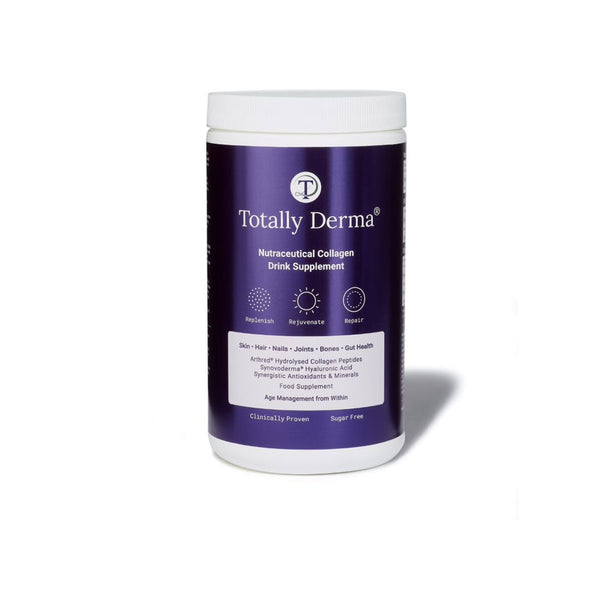
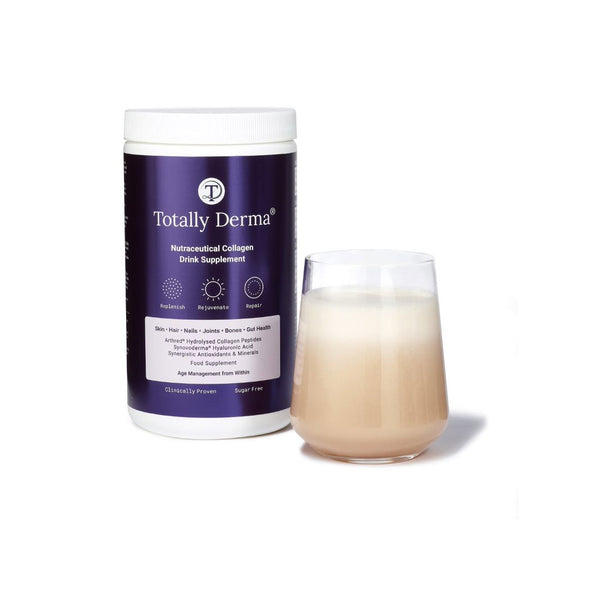
A product like Totally Derma Nutraceutical Collagen Drink Supplement, for example, contains bovine hydrolysed collagen alongside hyaluronic acid, vitamin C, antioxidants, minerals and other ingredients. It is a more comprehensive formula, which may be exactly what some people want, but if your skin is extremely reactive, you may prefer to start with a simpler collagen first.
Our Acne-Prone Skin Label Checklist
Before choosing any collagen supplement, marine or bovine, turn the tub, bottle or sachet around and look at the full ingredient list.
For acne-prone skin, it is worth checking for:
- Whey protein or dairy fillers, especially if you already know dairy can trigger your breakouts
- High sugar content
- Maltodextrin or glucose-based fillers
- Artificial flavours or colours
- Sweeteners you know upset your digestion
- High-dose B vitamins, if you have previously noticed breakouts from B-complex supplements
- Iodine, kelp or seaweed-based extras, if these have triggered you before
- Any allergens, especially fish in marine collagen
This does not mean every ingredient on that list will trigger acne in everyone. Skin is annoying like that. What causes a flare for one person may do absolutely nothing to another.
But if your breakouts are stubborn, cyclical or easily triggered, ingredient awareness is your friend.

How to Add Collagen Into Your Acne Treatment Routine
If you are trying collagen for acne-prone skin, keep it simple at first.
Start with one collagen supplement and take it consistently. Avoid adding a new cleanser, retinoid, exfoliating toner, and hormonal supplement in the same week, because if your skin changes, you will have no idea what caused it.
A simple approach could look like this:
· Morning: Gentle cleanse, hydrating serum, moisturiser and daily SPF.
· Evening: Cleanse properly, use your acne treatment or active ingredient if already part of your routine, then moisturise.
· Daily: Take your chosen collagen supplement as directed.
If your skin is currently flaring, try to keep the rest of your routine calm and barrier-supportive. Collagen is best thought of as an extra layer of support, not the main event.
What About Hormonal Acne?
If your breakouts tend to sit around the chin, jawline, lower cheeks or neck, and they flare before your period or during stressful weeks, hormones may be playing a role.
In that case, collagen can support your wider skin routine, but it is unlikely to tackle the root trigger on its own.
For hormonal breakouts, you may need a more targeted plan involving ingredients like salicylic acid, azelaic acid, benzoyl peroxide, retinoids or professional treatment options. You may also want to look at lifestyle factors, stress, sleep, skincare consistency and internal support.
If you are unsure whether your breakouts are hormonal, fungal, congestion-related or linked to a product, our guides on hormonal acne, fungal vs hormonal acne, and forehead acne are a helpful place to start.
Marine Collagen vs Bovine Collagen for Acne: Our Verdict
For acne-prone skin, marine collagen is usually the best first choice. It is skin-focused, rich in Type I collagen, often easier to absorb, and can be found in simple formulas that are easier to track alongside your skincare routine.
Bovine collagen can still be a good option, especially if you want broader support for skin, joints and bones, or if marine collagen is not suitable for you. But if your skin is easily triggered, the formula matters just as much as the collagen source.
The best collagen for acne-prone skin is not just marine or bovine. It is the one with a clean, suitable ingredient list, a format you will take consistently, and no obvious triggers for your skin.
If your breakouts are painful, persistent, sudden or leaving marks and scars, it is always worth getting expert advice rather than trying to solve everything with supplements alone.

Need Help Choosing?
Not sure where to start? Explore our range of collagen supplements, browse bovine collagen supplements, or take our free Online Skin Test for a more personalised starting point.
You can also speak to one of our skin experts for tailored advice on building a routine that supports clearer, calmer-looking skin from the inside and outside.
Shop Our Collagen Products