AU
AU
 AT
AT
 BE
BE
 BG
BG
 CA
CA
 HR
HR
 CY
CY
 CZ
CZ
 DK
DK
 EE
EE
 FI
FI
 FR
FR
 DE
DE
 GR
GR
 GG
GG
 HU
HU
 IM
IM
 IT
IT
 JE
JE
 LV
LV
 LT
LT
 LU
LU
 MT
MT
 NL
NL
 NZ
NZ
 PL
PL
 PT
PT
 RO
RO
 SK
SK
 SI
SI
 ES
ES
 SE
SE
 GB
GB
 US
US
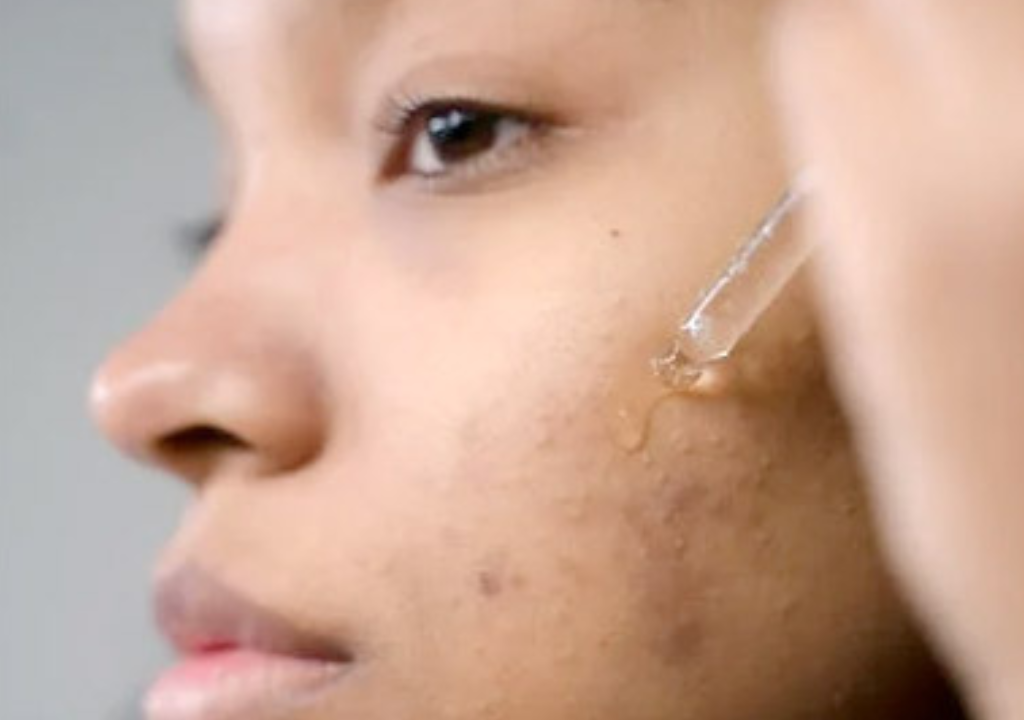
Melasma Treatment: The Best Ingredients and Skincare Routine
Melasma is a common form of skin pigmentation that can be particularly challenging for people to manage. It can be influenced by a range of factors, from hormonal changes to sun exposure.

Melasma is a common form of skin pigmentation that can be particularly challenging for people to manage. It often appears as uneven brown or greyish patches across the cheeks, forehead, nose, or upper lip, and it can be influenced by a range of factors, from hormonal changes to sun exposure.
While there is no overnight solution, a consistent, carefully considered routine can help to visibly improve the appearance of pigmentation while reducing the risk of it becoming more pronounced.
From brightening ingredients such as tranexamic acid, azelaic acid and vitamin C to the essential role of daily SPF, this guide will explore effective ways to care for melasma-prone skin and build a routine that supports a more even, radiant-looking complexion.
What Is Melasma?
Melasma is a common form of skin pigmentation that can cause brown, greyish and darker patches to appear on the skin, most commonly on your face across your cheeks, forehead, nose and upper lip. The patches are often symmetrical and can vary in intensity, becoming more noticeable following periods of sun exposure.
While harmless, Melasma can be persistent and can be chronic in some cases, with relapses a common occurrence. This means that while the right treatment and skincare routine can help to fade existing pigmentation, protecting your skin from potential triggers is just as important for preventing it from returning.
What is the Difference Between Melasma and Hyperpigmentation?
Melasma and hyperpigmentation are often used interchangeably, but they don’t mean the same thing. Hyperpigmentation is a broader term used to describe areas of skin that appear darker due to increased melanin production. Melasma, on the other hand, is a specific form of hyperpigmentation that commonly appears as larger, symmetrical patches across the face and is often associated with hormonal changes alongside UV and visible light exposure.
Other forms of hyperpigmentation include sun spots, which are linked to cumulative sun exposure, and post-inflammatory hyperpigmentation, which can develop after acne or other inflammation.
Understanding the difference is important because the most appropriate approach can vary depending on the type of pigmentation you’re experiencing. If you’re unsure whether your pigmentation is melasma or another form of hyperpigmentation, a dermatologist or qualified skincare professional can help identify the cause and recommend an appropriate treatment plan. You can read more about reducing pigmentation on your face in our guide.
What Treatments Are Recommended for Melasma?
Managing melasma usually involves a combination of consistent skincare, daily sun protection and, where appropriate, professional treatment. There isn’t one approach that works for everyone, particularly as melasma can be persistent and may return even after pigmentation has improved.
For at-home care, daily broad-spectrum SPF is essential. Targeted brightening ingredients such as azelaic acid, tranexamic acid and niacinamide can help improve the appearance of dark spots and uneven pigmentation. Azelaic acid is a versatile treatment option that targets pigmentation while also being suitable for many sensitive or blemish-prone skin types.
For more stubborn or persistent melasma, professional treatments may be considered. Cosmelan, for example, is a professional pigmentation treatment designed to target the appearance of dark spots and uneven skin tone. The treatment usually involves a pre-treatment at-home kit to use two to four weeks before treatment, then an in-clinic prep peel, one 45-minute in-clinic treatment and then a homecare regime to follow for 12 months.
Professional medical treatments and stronger active ingredients aren’t suitable for everyone; personalised advice can help determine the most appropriate approach for your skin. Regardless of the treatment you choose, consistency is key. Continuing with a targeted routine and diligent SPF use after improvement can help support longer-lasting results.

What Are the Main Causes of Melasma?
The exact cause of melasma is unknown, but it is suspected to be linked to pigment-producing cells in the skin producing too much melanin. There are several factors that can contribute to developing melasma, such as:
- Sun and UV Exposure: Sunlight can stimulate the production of melanin, potentially making existing melasma darker and encouraging new pigmentation to develop. This is why diligent daily sun protection is considered one of the most important parts of managing melasma.
- Hormonal Changes: Fluctuations in hormones such as oestrogen and progesterone may contribute to triggering melasma by influencing the activity of melanocytes, the cells responsible for producing melanin.
- Pregnancy and the “Mask of Pregnancy”: Melasma is often referred to as the “mask of pregnancy” because the hormonal fluctuations that occur can trigger or contribute to its development. For some people, pigmentation becomes less noticeable after pregnancy, while others may continue to experience it and require ongoing management.
If you’re pregnant, trying to conceive or breastfeeding, speak to your doctor, dermatologist or another qualified healthcare professional before introducing new pigmentation treatments or active ingredients.
- Medications and Other Potential Triggers: Certain medications and hormonal treatments, such as birth control and hormone replacement therapy, can contribute to melasma in susceptible individuals. Other possible triggers, including heat and stress, have also been investigated, although the exact relationship can vary from person to person.
Because triggers aren’t always easy to identify or avoid completely, a consistent skincare routine focused on pigmentation and prevention can be particularly helpful.
The Best Skincare Ingredients for Melasma
When it comes to choosing specific skincare products and ingredients to improve your melasma, it can be tempting to look for one cure-all ingredient. But, in reality, the best approach tends to be a combination of carefully considered ingredients, gentle skincare and consistent sun protection.
- Tranexamic Acid: Originally used for its antifibrinolytic properties, tranexamic acid has become quite popular in pigmentation-focused skincare. There are suggestions that tranexamic acid may help reduce the appearance and severity of melasma, although more research is needed to establish the most effective topical formulations and concentrations. It can be a particularly useful addition when paired with daily SPF; there is also an oral option used by dermatologists, but this is a medical treatment and not suitable for everyone.
- Azelaic Acid: Azelaic acid is a versatile ingredient that can help to address uneven pigmentation while also supporting blemish-prone skin. It has a well-established role in melasma treatment and may be a useful option for those who want to target pigmentation without relying on more intensive treatments.
- Vitamin C: A popular antioxidant in brightening skincare, vitamin C can help protect skin from oxidative stress while supporting a more even-looking complexion. Evidence for topical vitamin C specifically in melasma is less extensive than for some other treatments, so it's best viewed as part of a broader routine rather than a standalone solution. Read our guide to find out more about how to use vitamin c in your skincare routine.
- Retinoids and Retinol: Retinoids and retinol can support skin cell turnover and are commonly used as part of pigmentation-focused treatment. Prescription retinoids such as tretinoin have been studied for melasma, while cosmetic retinol can offer a gentler alternative for those looking to incorporate a retinoid into an at-home routine. As with any active ingredient, introducing retinol gradually can help minimise irritation.
- Niacinamide: Niacinamide is another useful supporting ingredient for uneven-looking skin. As a well-tolerated skincare staple, it can complement a pigmentation-focused routine while helping to support the skin barrier. It may be particularly useful when you're using other active ingredients and want to keep the rest of your routine gentle.
- Kojic Acid and Other Pigment-Targeting Ingredients: Kojic acid, arbutin and other brightening ingredients have also been investigated for their role in managing melasma. Kojic acid has clinical evidence supporting its use, although irritation is possible with some pigment-targeting products, making tolerance an important consideration.
Ultimately, you don’t need to use every brightening ingredient at once. Choosing a small number of complementary actives and using them consistently is a better approach than overwhelming your skin.

Why Is SPF So Important for Melasma?
If there is one step that should not be skipped when managing melasma, it’s SPF.
UV exposure can stimulate melanin production and make existing pigmentation more noticeable, which means even an effective brightening routine can struggle to deliver results if your skin isn’t adequately protected. The British Association of Dermatologists recommends products with a factor of at least 30, though higher is always more effective.
It’s also worth considering visible light, which forms part of the sunlight that we can actually see and makes up around 50% of the sunlight that reaches Earth. There are suggestions that visible light can worsen melasma, particularly in people with darker skin tones. For this reason, a tinted sunscreen containing iron oxides can provide an additional layer of protection beyond UV filters alone.
For the best results, apply your SPF generously as the final step of your morning skincare routine and be sure to reapply throughout the day when spending time outdoors. Remember that sun protection isn’t just for the bright and sunny days, UV exposure can occur year-round. SkinCeuticals Ultra Facial UV Defense SPF 50+ is great for topping up throughout the day, it’s also formulated to work well with make up.
Building a Melasma-Friendly Skincare Routine
A good melasma routine doesn’t need to be overly complicated. In fact, keeping things simple can make it easier to stay consistent while reducing the risk of irritation.
Morning Routine for Melasma
- Gentle Cleanser: Start with a mild cleanser to remove any overnight build-up of oil or impurities, without stripping your skin of moisture and making it feel tight. A good option for gentle cleansers is SkinCeuticals Gentle Cleanser, formulated specifically for sensitive and reactive skin, it’s also a good option to use both in the morning and evening.
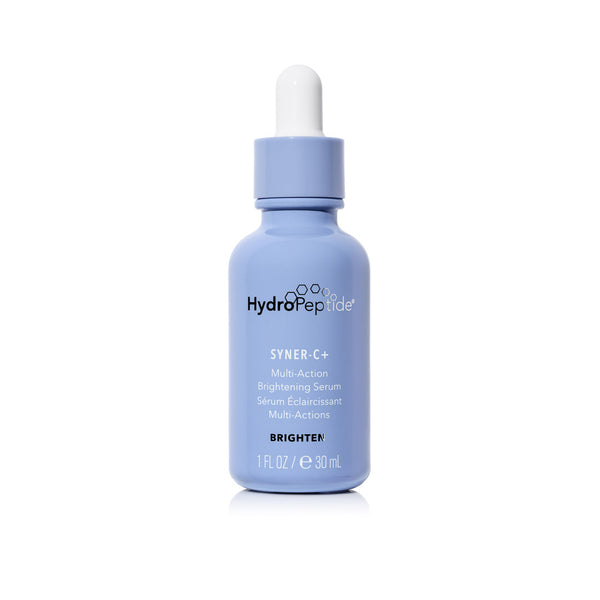
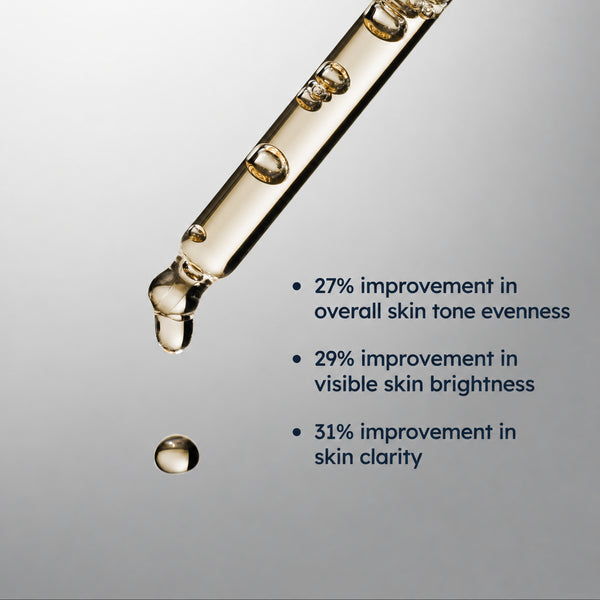
- Targeted Serum: This is where you can introduce ingredients such as vitamin C, niacinamide and tranexamic acid into your routine. These will directly help to improve the appearance of melasma; the HydroPeptide Syner-C+ Serum contains all three.
- Moisturiser: A well-hydrated and supported skin barrier can make it much easier to tolerate actives associated with caring for melasma-prone skin. Skin types vary a lot, so choosing a moisturiser suited to your skin type and that doesn’t contain ingredients that may irritate your skin is important.
- SPF: Protecting your skin from UV exposure is vital when supporting melasma-prone skin. As such, finishing your morning routine with a broad-spectrum SPF 30 or higher is vital. Eminence Organic Skin Care Daily Defense Tinted SPF50+ is a great choice, with a factor of 50 and is tinted, containing iron oxides for an extra layer of protection.
Evening Routine for Melasma
- Cleanser: The evening routine starts similarly to the morning routine; we use a gentle cleanser to remove makeup, SPF and daily impurities from our skin.
- Pigment-targeting Treatment: Depending on your routine, this could be a product that includes niacinamide, azelaic acid, tranexamic acid or another brightening ingredient. If you’d rather a product with just one of those, to avoid overwhelming your skin with actives, Allies of Skin Tranexamic & Arbutin Advanced Brightening Serum is a great option.
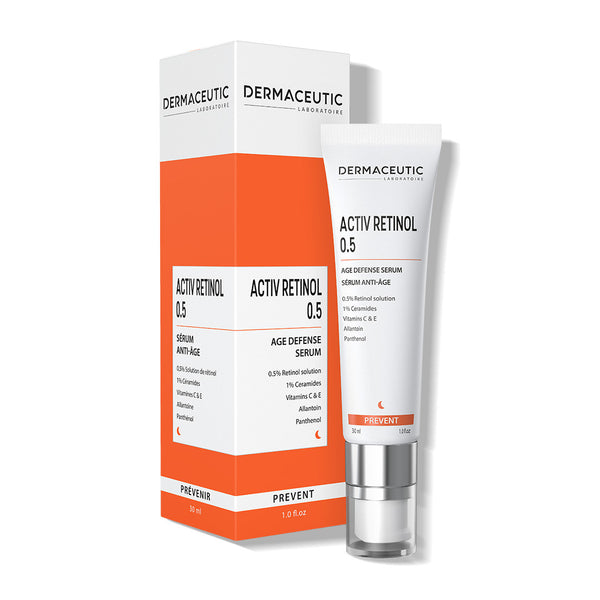
- Retinol or Retinoid: If you’re using a retinol or retinoid, introduce it gradually and follow the instructions for your specific product. There’s no need to use it every night, especially if your skin isn’t accustomed to it. Dermaceutic Activ Retinol 0.5 Serum is a 0.5% formula, which is a moderate starting point for those new to retinol.
- Moisturiser: The final step for your evening routine is again to apply a nourishing moisturiser for your specific skin type.
When introducing multiple active ingredients, it’s usually better to add them in gradually, rather than all at once. If your skin becomes persistently red, sore, dry or uncomfortable, take a step back and simplify your routine.

Common Melasma Treatment Mistakes to Avoid
When it comes to managing pigmentation, more isn’t necessarily better. Some of the most common skincare mistakes are:
Skipping SPF: One of the biggest mistakes is focusing on brightening products while overlooking how vital daily SPF is and how consistent use is fundamental to melasma treatment.
Using Too Many Active Ingredients: Layering several potent acids, retinoids and brightening ingredients all at once can leave the skin irritated rather than delivering faster results.
Over-Exfoliating: Frequent or aggressive exfoliation can compromise the skin barrier and cause irritation. For pigmentation-prone skin, a gentler approach is often preferable.
Picking at or Irritating the Skin: Anything that causes ongoing inflammation or irritation can potentially make pigmentation more noticeable. If a product burns or stings, it's a sign that your skin may not be tolerating it well.
Expecting Overnight Results: Melasma tends to require patience. Consistency is far more important than constantly changing products in search of a quicker solution.
Using Harsh “Skin-Lightening” Products: Stronger doesn't always mean better. Some treatments can cause significant irritation when used incorrectly, so avoid unregulated or overly aggressive products and seek professional advice where appropriate.
How Long Does a Melasma Routine Take to Work?
Melasma isn't something that can usually be transformed overnight. Even with an effective treatment plan, improvements tend to happen gradually, and the time it takes can vary depending on factors such as the severity and depth of pigmentation, the treatments being used and how consistently they're applied.
The American Academy of Dermatology notes that it can take around 3 to 12 months to see results from melasma treatment.
This is why consistency is so important. Rather than changing your routine every few weeks because you're not seeing immediate results, give suitable products time to work and focus on maintaining daily sun protection.
It's also important to remember that melasma can return, even after it has improved. Continuing with a supportive skincare routine and diligent SPF can help to maintain results and reduce the likelihood of pigmentation becoming more pronounced again.
Final Thoughts
Melasma can be persistent, but a consistent and considered approach to skincare can help improve the appearance of uneven pigmentation and support a more even-looking complexion. Rather than relying on a single “miracle” ingredient, focus on a routine that combines targeted actives, gentle skincare and most importantly, daily broad-spectrum SPF.
Ingredients such as azelaic acid, tranexamic acid and niacinamide can all have a place in a pigmentation-focused routine, while professional treatments may be worth considering for more stubborn melasma. The key is to introduce active ingredients gradually to avoid unnecessarily irritating your skin and give your routine time to work.
Not sure where to start with pigmentation-prone skin? Face the Future’s skincare experts can help you find products and build a routine suited to your individual skin concerns. Book a personalised skincare consultation for tailored advice on how to approach pigmentation and find the right products for your skin.