AU
AU
 AT
AT
 BE
BE
 BG
BG
 CA
CA
 HR
HR
 CY
CY
 CZ
CZ
 DK
DK
 EE
EE
 FI
FI
 FR
FR
 DE
DE
 GR
GR
 GG
GG
 HU
HU
 IM
IM
 IT
IT
 JE
JE
 LV
LV
 LT
LT
 LU
LU
 MT
MT
 NL
NL
 NZ
NZ
 PL
PL
 PT
PT
 RO
RO
 SK
SK
 SI
SI
 ES
ES
 SE
SE
 GB
GB
 US
US
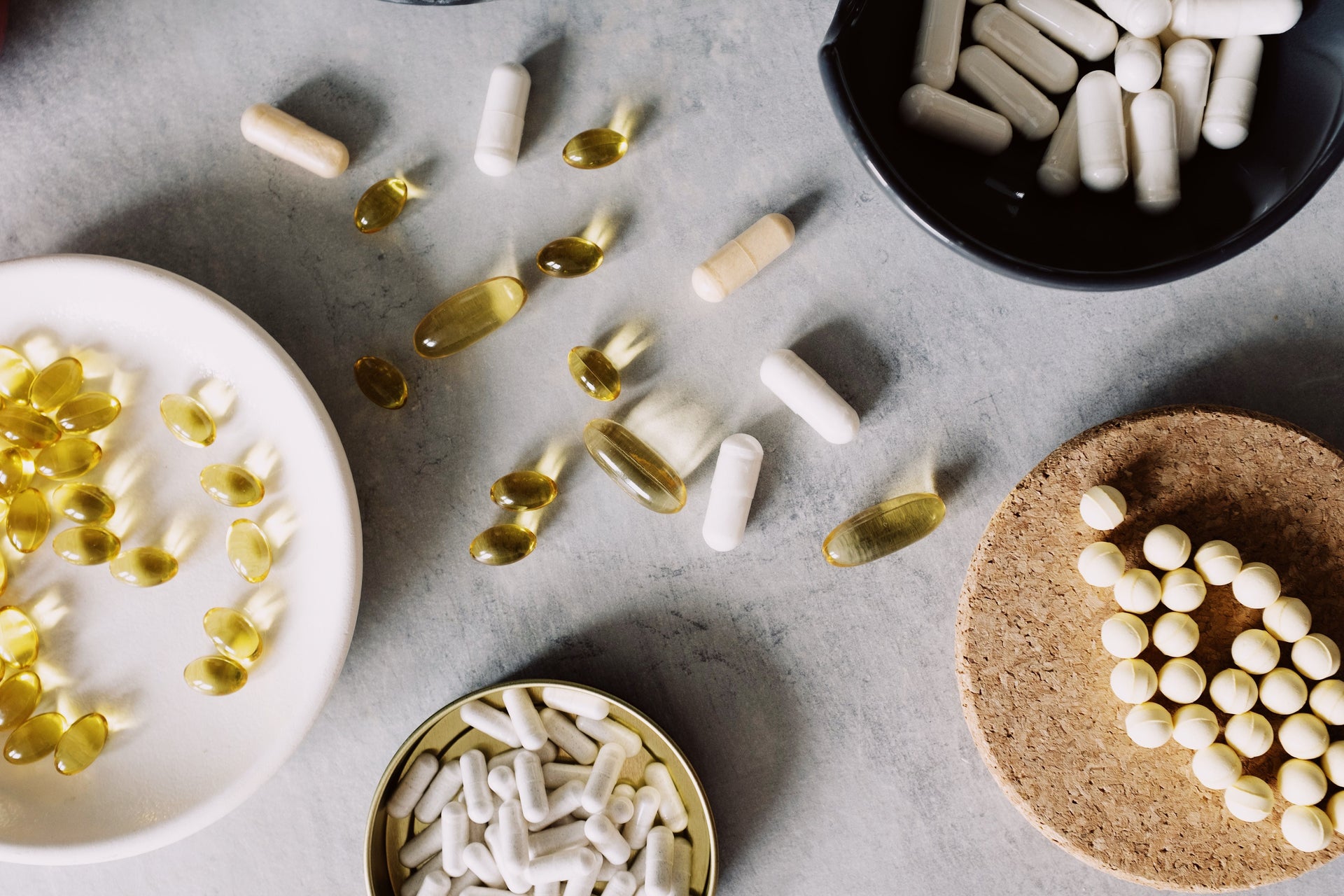
Perimenopause Supplements: Vitamins & Nutrients to Support Symptoms
Here we'll break down how adding perimenopause supplements into your routine can support you, from joint health to skin health and more.

Perimenopause is a natural transitional period leading up to menopause, which marks the end of your menstrual cycles. While this can often be a daunting time, knowing what to expect and being armed with tailored support can make every stage of your journey more manageable.
Research-backed supplements can be a great option for helping to support you in feeling like yourself during periods of change and help to alleviate some of the symptoms typically associated with perimenopause and menopause.
Here we'll break down how adding perimenopause supplements into your routine can support you, from joint health to skin health, to simply support you in getting a good night's sleep, so you're ready to tackle whatever the day throws at you.
What Is Perimenopause?
Simply, perimenopause just means 'around menopause' and is typically used to describe the natural transitional stage before your periods stop altogether. While every case is different, it's common for women to enter perimenopause around their mid-40s. This stage of a woman's life can commonly last anywhere from four to eight years, though when considering hormonal changes, there really is no 'normal' timeframe. The transition can take from a few months to up to a decade.
There is no one-size-fits-all when we're talking about hormones. Some of our community get symptoms that can greatly impact their daily lives, relationships, and work, whereas others may have hardly any symptoms at all. There are also no rules regarding when symptoms might appear.
For some, they happen during perimenopause; for others, well into menopause or even after it appears to have finished and your periods have stopped, symptoms can crop up.

What Are the Early Signs of Perimenopause or Menopause?
There are a wide range of symptoms you could experience when it comes to perimenopause, and we understand that every woman is different.
Knowing the signs to look out for can help you identify if the changes you're experiencing are related to your hormones, menopause or other health issues, which may require more investigation alongside your healthcare provider.
Common Symptoms Include:
- Changes to your periods: The big one you're likely to notice first is changes to your period. They may start to happen more or less, and what's normal for you may start to change too. Periods can become lighter or heavier than you'd expect and eventually will stop altogether.
- Hot flushes and night sweats: A hot flush is when your face, neck and chest become suddenly very hot or cold. Experiencing hot flushes can make you feel sweaty, cause heart palpitations or feelings of anxiety, and can even make you feel dizzy. When hot flushes happen at night, they're referred to as night sweats, and can be incredibly disruptive to your sleep.
- Changes in mood: You may also notice changes to your mood; often this can be one of the most disconcerting symptoms. You may have the type of mood swings that remind you of being a teenager or feel low and depressed. If this happens, it's important to remember you're not alone. Reach out to friends and family to unpack your symptoms together and support each other through this transitional period. Changes in mood can also be exacerbated by poor sleep, so trying to support yourself with a strong sleep routine can be a good place to start.
- Changes in memory: Commonly referred to as brain fog, menopause and perimenopause can make you feel forgetful, and like your mind is covered in a fog. This can cause challenges in your everyday life, as tasks that once felt simple feel nearly impossible.
- Weight gain: Gaining weight during perimenopause and menopause can be common for many women, often accumulating around the stomach and upper body.
- Vaginal changes: You may also notice symptoms such as vaginal dryness, a burning feeling, or irritation and itching. These symptoms can have a disruptive effect on your sex life.
- Weakening bones: Perimenopause can cause a loss of bone density, which, if left unsupported, can lead to weakened bones and even osteoporosis.
- Muscle and joint pain: You may feel aching and pain in your muscles due to inflammation caused by a loss of oestrogen, and your declining hormones can also make it more challenging to recover after minor strains.
However, it's not as scary as it might sound. While there are a range of signs and symptoms associated with menopause, you may only experience a few or even none at all. You can also support your transition with our range of menopause supplements curated by our wellness experts.
Why Does Perimenopause Happen? The Science Behind It
Perimenopause is the natural process that is caused by the ageing of the ovaries. This then leads to fluctuating and declining reproductive hormones, namely oestrogen and progesterone.
Your oestrogen levels begin to rise and fall as the ovaries release eggs less predictably; this then triggers the transition towards menopause.
When you're looking for the best way to support your perimenopause journey, it's important to think about your health in a holistic way, while focusing on key areas that may need support, such as bone, heart and brain health.
Supplements for Perimenopause Symptoms
Magnesium
Magnesium plays a crucial role in bone health, muscle health and how your nervous system regulates itself. It can be used to support aching joints and muscles, as well as support your sleep, especially if it's becoming disrupted due to night sweats.
-
Benefits: Improve sleep, reduce stress, bone health, muscle and joint support.
-
Try: Add Sixways Unwind + Recover Mushroom Blend into your evening wellness routine.

Vitamin D and Calcium
During perimenopause, supporting your bone health is paramount. As oestrogen levels decrease, your risk of osteoporosis increases; however, vitamin D and calcium create a power duo that works together to help you maintain bone density and reduce the risk of any fractures.
-
Benefits: support bone health and bone density.
Ashwagandha
Early studies suggest ashwagandha can act as a natural way to support symptoms of perimenopause such as stress, anxiety, sleep disruptions and hot flashes, as it can help to lower your cortisol, aiding a reduction of stress, anxiety and irritability. A standard 300mg dose has also been shown to help balance hormone levels.
-
Benefits: Improve mood, reduce stress and anxiety, improve sleep and balance hormones.

Omega-3 Fatty Acids
During perimenopause, omega-3 fatty acids can be a great addition to your wellness routine, as they can reduce inflammation and support heart health by helping your body manage cholesterol and blood pressure levels. The anti-inflammatory benefits also extend to joint stiffness that can cause aches and pains.
Fatty fish, or omega-3 supplements, can also support cognitive focus and can be especially beneficial for those dealing with brain fog. While supplements can be a great way to ensure you're getting omega-3 fatty acids into your everyday routine, you can also reap the rewards by eating fatty fish such as salmon, mackerel, sardines and tuna at least twice a week.
-
Benefits: Cognitive function, joint stiffness, and support heart health.
-
Try: For a vegan alternative, try Cytoplan Omega-3 Vegan Capsules.
-
To explore more about Omega-3 fatty acids, read our guide on fish oil vs omega.
Lion's Mane
Another popular supplement from the medicinal mushroom family that has been known to support women through perimenopause and menopause is Lion's mane mushroom. This mighty mushroom is particularly beneficial for brain-related symptoms, as it stimulates the production of NGF (Nerve Growth Factor) and brain-derived neurotrophic factor, which support brain plasticity and neuron repair.
-
Benefits: Lion's mane supports cognitive health, including symptoms such as brain fog, memory lapses, low mood and fatigue.

Marine Collagen
As we age, our collagen levels naturally decline, though this process accelerates around menopause as your oestrogen levels fall sharply. Daily supplementation of marine collagen at the studied dose of around 10g can support your skin's hydration as well as reducing the appearance of fine lines and wrinkles. Marine collagen, when paired with daily movement, can also support your joints, helping you to lead an active lifestyle.
-
Benefits: Skin health, elasticity and hydration, as well as joint support.
Can I Take Supplements with HRT?
The short answer is: many supplements, vitamins and minerals are absolutely safe to take with HRT.
HRT stands for hormone replacement therapy, which is a popular treatment that adds hormones to your body when your natural levels drop, typically during perimenopause and menopause. There are three different types:
-
Oestrogen only: Used for people who had their womb removed via surgery.
-
Combined (Oestrogen and Progesterone/Progestogen): Used for people who still have their womb to protect its lining.
-
Testosterone: Sometimes added to help with low sex drive or fatigue.
Many of the most commonly suggested supplements, such as vitamin D, calcium, magnesium and the B vitamins, are typically well tolerated to take alongside HRT. However, it's always worth checking with your healthcare provider if you're unsure.
While most supplements are well tolerated alongside HRT, some high-dose plant extracts should be taken with care as they may alter how your body reacts to certain medications. For example:
-
St John's Wort: this herbal supplement can lessen the impact of HRT tablets and capsules.
-
Phytoestrogens such as Black Cohosh: these can mimic oestrogen, which can interfere with the finely tuned balance of hormones you'd get from your HRT treatment.
Should I Speak to a Healthcare Professional Before Taking Supplements for Perimenopause?
Taking supplements to support you on your journey is absolutely safe, alongside a holistic approach to health and a varied and balanced diet. However, there are some instances when it's sensible to get personalised advice from a healthcare professional first.
Speak to your GP, pharmacist, or other appropriate healthcare professional if:
-
You take prescription drugs such as blood thinners, antidepressants or contraceptive medication.
-
You have a history of conditions such as breast cancer.
-
You're experiencing symptoms of perimenopause before the age of 45, to rule out any other medical issues.
-
You suffer from a chronic condition, including liver, kidney or cardiovascular diseases.
-
You're on HRT and want to ensure your supplements won't interfere with absorption.
-
You’re unsure if a supplement will be right for you.

How to Start Taking Supplements for Perimenopause
When adding a new supplement into your routine, it's important to create a practice you'll be able to keep, as more often than not, consistency matters more than perfection. To help you get started, we'd recommend:
-
Start slow: Add one supplement into your routine at a time, unless you're using blended formulas, and monitor your reaction over the first few weeks.
-
Choose a time: Ensure you choose a time of day that'll support you in staying consistent with your new habit. Take them first thing in the morning, or after your menopause skincare routine. Pick a time and stick to it.
-
Support with diet: Alongside supplements, build meals that are rich in whole foods to support your overall health and wellbeing.
-
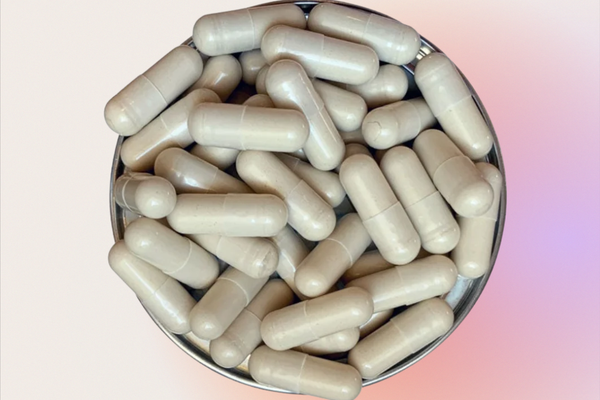
Choose the right format: Supplements come in all shapes and sizes, so you have the flexibility to choose a formula that's going to work for you, whether it's a muscle spray, a powder you can easily mix into your morning smoothie, or a tablet or capsule that's perfect when you're on the move. Explore your options and find a format that's right for you and your lifestyle.
Final Thoughts
Whether you're looking for help getting your eight hours of sleep without being interrupted by night sweats, aiming to improve your skin health and reduce fine lines and wrinkles, or even just support healthy ageing by looking after your heart, joints and bone health, supplements for perimenopause are the perfect place to start in building your wellness routine.
While change is inevitable, the accompanying symptoms are not something you simply need to tolerate.
Explore our wellness supplements to find targeted support for the symptoms that come alongside perimenopause and menopause. If you're looking for skincare or wellness support, don't hesitate to get in touch with our team of experts who are on hand, ready to provide advice, support and product recommendations to help you feel your best, at every stage.
Disclaimer: Always consult with a healthcare professional before adding supplements into your routine.