Hormonal Acne Explained: Causes, Symptoms & Best Treatment Options
As part of Acne Awareness Month and our Acne At Every Age campaign, here we are looking at what hormonal acne is, what causes it, how to spot the symptoms, and which...

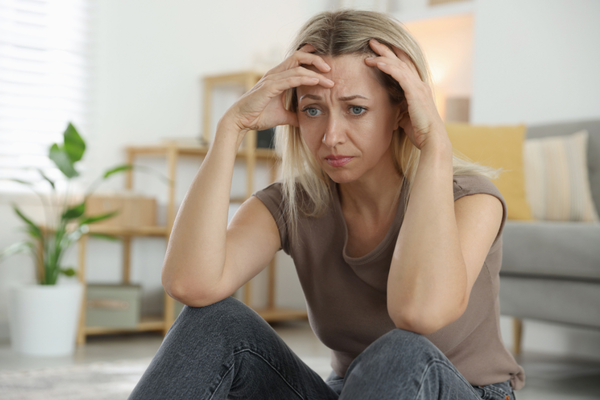
There is a particular kind of heartbreak that comes from thinking your skin is finally settling, only to wake up with another sore, under-the-skin spot on your chin.
You might know the feeling already.
Your skin looks calmer for a week or two. You start to trust it again. Then, almost overnight, the same area flares. The same tender bump appears. The same redness lingers long after the spot itself has gone.
And because hormonal acne can feel so repetitive, it can also feel deeply personal.
Essentially, this is acne that is influenced by hormonal changes, oil production, blocked pores, inflammation and sometimes genetics too. It can happen during puberty, before your period, after starting or stopping contraception, during pregnancy, after having a baby, during stressful seasons, or around perimenopause and menopause.
As part of Acne Awareness Month and our Acne At Every Age campaign, here we are looking at what hormonal acne is, what causes it, how to spot the symptoms, and which skincare and treatment options may help.

What Is Hormonal Acne?
Hormonal acne is acne that is triggered or worsened by changes in your hormones.
These hormone changes can increase sebum, which is the natural oil your skin produces. Sebum is not bad though. Your skin needs it to stay comfortable and protected, but when there is too much oil, it can mix with dead skin cells and become trapped inside the pore.
From there, congestion can build. The pore can become inflamed. Bacteria can become involved. And suddenly, you have a painful spot that feels like it has appeared from nowhere.
Hormonal acne is often linked to androgens, a group of hormones that includes testosterone. Everyone has androgens, but when your skin is more sensitive to them, or when levels fluctuate, your oil glands can become more active.
This is why hormonal acne often feels cyclical. It may flare at similar points each month, especially in the week before your period, or during times when your hormones are shifting.
It is also why hormonal acne can be more than a “surface” skin issue. A cleanser or serum may help manage the visible breakouts, but if hormones are a major driver, your skin may need a more thoughtful, long-term plan.
What Does Hormonal Acne Look Like?
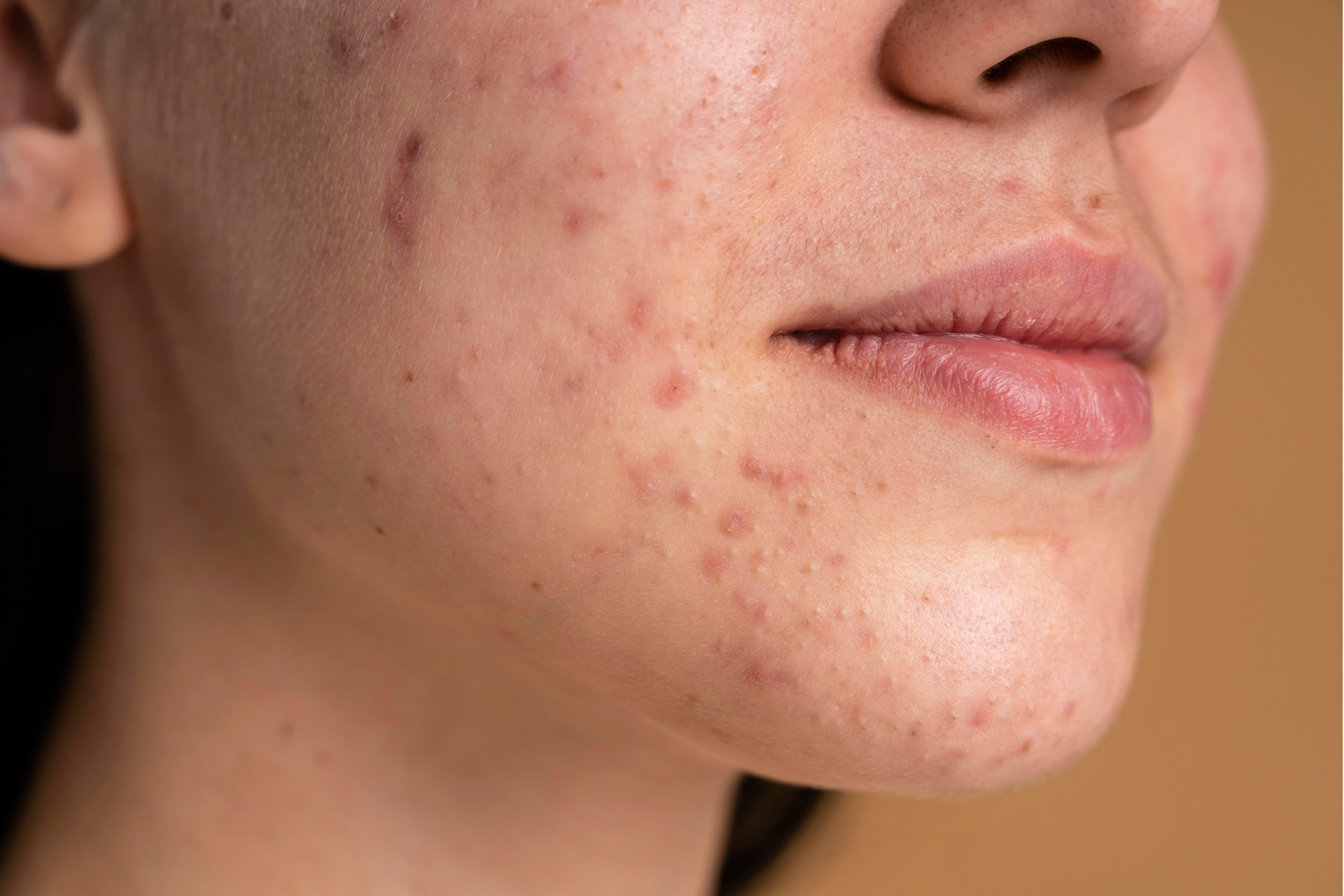
Hormonal acne can look different from person to person, but it often has a few familiar patterns.
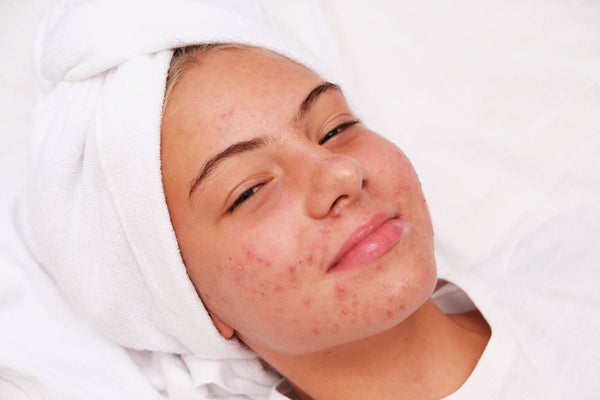
It is commonly found on the lower face, especially around the:
- Chin
- Jawline
- Lower cheeks
- Neck
- Around the mouth
The spots themselves may feel deeper than usual. Instead of lots of tiny surface bumps, you may notice tender lumps under the skin that take days, or sometimes weeks, to calm down.
Hormonal acne may include:
- Painful under-the-skin spots
- Cysts or nodules
- Inflamed red bumps
- Whiteheads
- Congested pores
- Spots that come back in the same area
- Post-breakout marks that linger after the blemish has healed
Some people only get one or two painful spots at a time. Others experience clusters of inflamed breakouts across the jawline or cheeks.
One of the hardest parts is that hormonal acne can feel unpredictable, even when it is following a pattern. Your skin may be calm for most of the month, then flare suddenly before your period. Or you may notice breakouts during stressful weeks, after poor sleep, or when your routine has become too harsh.

What Causes Hormonal Acne?
Hormonal acne does not usually have one single cause. It is often a combination of internal changes and external triggers.
That is why two people can use the same skincare routine and have completely different experiences. Your skin is influenced by hormones, genetics, stress, lifestyle, medication, environment, product choices and your skin barrier.
Here are some of the most common hormonal acne triggers.
1. Your Menstrual Cycle
For many women, hormonal acne flares before a period.
In the days leading up to menstruation, hormone levels shift. For some skin types, this can mean more oil, more inflammation and more congestion. The result is often a familiar breakout on the chin or jawline that seems to arrive at the same time every month.
This does not mean you are imagining the pattern. It also does not mean you need to completely change your skincare routine every time your skin flares.
Instead, it can help to track your breakouts for a few months. If you notice that spots appear at the same time in your cycle, you can build a routine that supports your skin consistently, rather than reacting with strong products every time a blemish appears.
2. Puberty
Hormonal acne is very common during puberty because hormone levels change rapidly during the teenage years.
As androgen levels rise, oil glands can become more active. This can lead to clogged pores, blackheads, whiteheads and inflamed spots on the face, chest and back.
Teenage acne can be incredibly distressing, especially when it affects confidence at school, in friendships or on social media. But it is also very common, and early support can make a big difference.
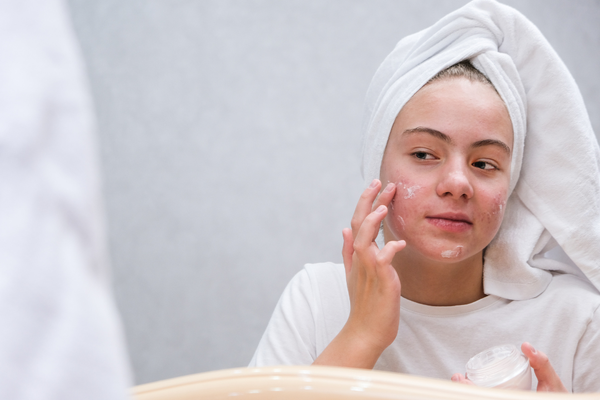
A simple routine is usually the best place to start, including gentle cleansing, one targeted acne treatment, light moisturiser and daily SPF.
3. Pregnancy And Postpartum Hormone Changes
Pregnancy can affect the skin in different ways. Some people find their skin becomes clearer. Others notice more oiliness, congestion or inflamed breakouts.
After birth, hormones shift again. Add sleep deprivation, stress and a changing routine into the mix, and the skin can feel more unpredictable than ever.
If you are pregnant, breastfeeding or trying to conceive, it is especially important to check which skincare ingredients are suitable for you. Some ingredients commonly used for acne, including retinoids, are not recommended during pregnancy.
This is one of those moments where expert advice really matters. A GP, midwife, pharmacist, dermatologist or qualified skin expert can help you understand what is safe and sensible for your current situation.

4. Starting Or Stopping Contraception
Hormonal contraception can influence acne, but the effect is not the same for everyone.
Some contraceptives may help acne by reducing androgen activity. Others may make breakouts worse, depending on the type of hormone and how your body responds. Some people also notice acne after stopping contraception, as the body adjusts to its natural hormone rhythm again.
If your breakouts began soon after starting, changing or stopping contraception, it is worth discussing this with your GP. Skincare can support the skin, but the hormonal trigger may need medical guidance.
5. PCOS
Polycystic Ovary Syndrome, often called PCOS, can be associated with acne because it may involve higher androgen levels or increased androgen sensitivity.
Acne linked with PCOS can be persistent, painful and more likely to appear around the lower face. You may also notice other symptoms, such as irregular periods, excess facial or body hair, scalp hair thinning, or changes in weight.
Not everyone with hormonal acne has PCOS, and not everyone with PCOS has acne. But if you suspect there may be more going on, it is worth speaking to your GP.
Getting the right support can help you understand both your skin and your wider health more clearly.
6. Stress
Stress does not “cause” acne in a simple, direct way, but it can definitely influence your skin.
When you are stressed, your body produces more stress hormones, including cortisol. This can affect inflammation, oil production, sleep quality, immune response and how well your skin barrier recovers.
It can also change your habits without you noticing. You might sleep less, touch your face more, eat differently, skip your evening cleanse or reach for stronger products because your skin feels out of control.
This is why stress-related breakouts can feel so unfair. Your skin flares at exactly the moment you have the least emotional energy to deal with it.
You do not need to “just relax” to fix your acne. But supporting your sleep, routine and skin barrier can make stressful flare-ups easier to manage.
7. Perimenopause And Menopause
Hormonal acne can also appear or worsen during perimenopause and menopause.
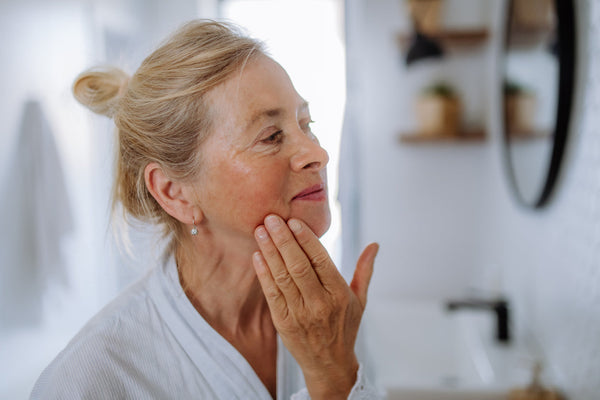
As oestrogen levels fluctuate and gradually decline, the balance between oestrogen and androgens can shift. For some women, this means more oiliness, breakouts around the chin or jawline, and slower healing after blemishes.
This can feel especially frustrating if you expected acne to be a thing of the past.
At the same time, menopausal skin may be drier, more sensitive or less resilient than it used to be, which means harsh acne routines can quickly become too much. The aim is usually to treat congestion and breakouts while still supporting hydration, comfort and barrier health.
How To Know If Your Acne Is Hormonal
Hormonal acne can overlap with other types of acne, so it is not always obvious. But there are some signs that make a hormonal pattern more likely.
Ask yourself:
- Do your breakouts appear around your chin, jawline or lower cheeks?
- Are the spots deep, sore or under the skin?
- Do they come back in the same places?
- Do you flare before your period?
- Did your acne change after starting or stopping contraception?
- Did your breakouts begin around pregnancy, postpartum, perimenopause or menopause?
- Do stress and poor sleep seem to make your skin worse?
- Do blemishes leave marks that last longer than the spot itself?
These clues do not replace a diagnosis, but they can help you understand your skin more clearly.
If you are speaking to a GP, dermatologist or skin expert, it can also help to bring photos or notes showing when your skin flares. Patterns are much easier to spot when you are not relying on memory alone.

The Best Skincare Ingredients For Hormonal Acne
Skincare cannot always control the hormonal trigger behind acne, but the right ingredients can help manage visible breakouts, congestion, redness and post-blemish marks.
· Salicylic Acid: Salicylic acid is a beta hydroxy acid, or BHA, that is oil-soluble, meaning it can work inside the pore to help loosen congestion and reduce the look of blocked pores. It is especially useful for hormonal acne with blackheads, whiteheads or bumpy texture, but sensitive skin types should start slowly and stick to one well-chosen product, such as Medik8 Press & Clear.
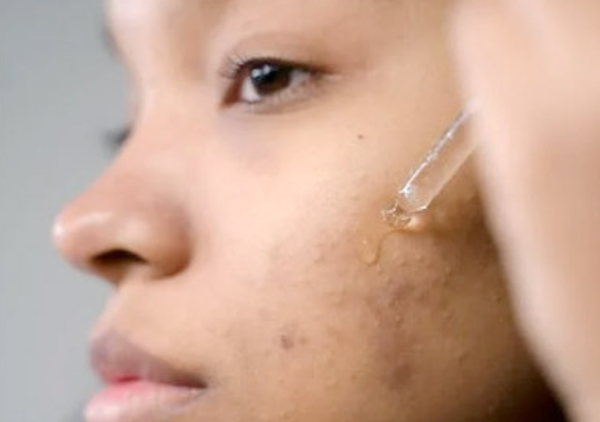
· Azelaic Acid:Azelaic acid is a gentle, acne-friendly ingredient that can help support blemishes, visible redness and post-breakout marks. It is often well tolerated by sensitive skin, making it a good option if hormonal acne leaves redness or pigmentation behind; 47 Skin Treatment Serum with Azelaic Acid is one example designed for breakouts, redness and post-blemish marks.
· Retinoids:Retinoids are often used in acne routines because they support skin cell turnover and help reduce the formation of clogged pores. They can be effective, but should be introduced slowly to avoid dryness, irritation and flaking, and daily SPF is essential. Retinoids are not suitable during pregnancy or breastfeeding unless advised by a professional.
· Niacinamide:Niacinamide is a supportive ingredient that can help balance the look of oiliness, calm visible redness and strengthen the skin barrier. It is especially useful when hormonal acne routines become too aggressive, as it helps bring the focus back to keeping the skin calm, balanced and less reactive.
· Benzoyl Peroxide: Benzoyl peroxide is a well-known acne treatment that can help reduce acne-causing bacteria and inflammation, making it useful for inflamed spots. However, it can cause dryness, peeling and irritation if overused, and it may bleach fabrics, so use it carefully and speak to a pharmacist, GP or dermatologist if acne is moderate, painful or not improving.

A Simple Skincare Routine For Hormonal Acne
When your skin is breaking out, it is tempting to throw everything at it.
A cleanser with acids. A strong toner. A drying spot treatment. A retinoid. A clay mask. Then maybe another serum because nothing feels like it is working fast enough.
We completely understand the urge. But hormonal acne often does better with consistency than intensity.
Here is a simple structure to start with.
Morning Routine
- Cleanse gently, or rinse with water if your skin is dry or sensitive.
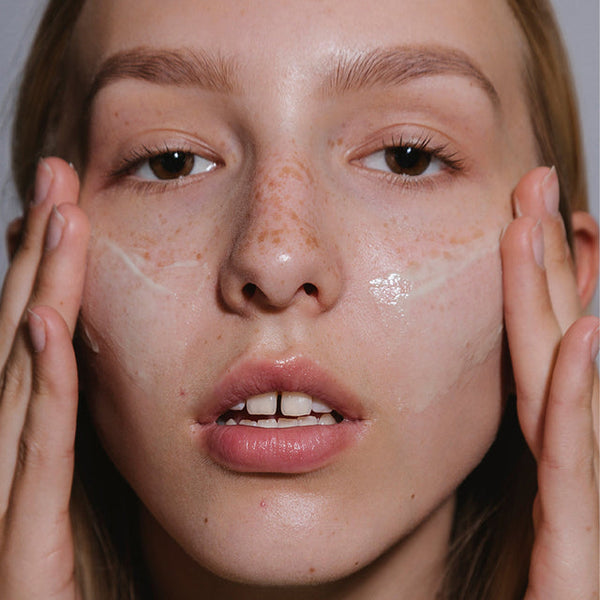
- Apply a lightweight serum if needed, such as niacinamide or azelaic acid.
- Use a non-comedogenic moisturiser if your skin needs hydration.
- Finish with broad-spectrum SPF every morning.
Daily SPF is important because inflammation can leave red or brown marks behind, and UV exposure can make those marks look darker or last longer.
For blemish-prone skin, La Roche-Posay Effaclar Duo+ SPF 30 is formulated for oily and blemish-prone skin, helping to hydrate while reducing the appearance of post-blemish marks.
Evening Routine
- Cleanse thoroughly to remove SPF, makeup, oil and pollution.
- Apply your targeted treatment, such as salicylic acid, azelaic acid or a retinoid.
- Follow with a barrier-supporting moisturiser.
If your skin feels stripped after cleansing, your cleanser may be too harsh. Acne-prone skin still needs comfort. A cleanser should leave your skin feeling clean, not tight or squeaky.
For oily or blemish-prone skin, Eucerin Dermopure Clinical Correcting Cleanser can help remove excess sebum and unclog pores while supporting skin that is prone to blemishes and post-acne marks.
What To Avoid If You Have Hormonal Acne
Hormonal acne can make your skin feel out of your control, but certain habits may make flare-ups harder to calm.
Try to avoid:
- Picking or squeezing deep spots
- Using too many active ingredients at once
- Scrubbing your skin with harsh exfoliants
- Skipping moisturiser because your skin is oily
- Changing your whole routine every week
- Using heavy, pore-clogging products if your skin congests easily
- Skipping SPF
- Treating your skin only when it flares
The last point is important. Hormonal acne often needs a routine that supports your skin all month, not just during the breakout itself. Think of your skincare as a steady foundation rather than an emergency response.
Most acne treatments need several weeks, and often a few months, before you can properly judge whether they are helping. This is especially true for ingredients like retinoids, which work gradually to reduce clogged pores and improve the look of texture over time.

When To Ask for Expert Help for Hormonal Acne
You do not need to wait until your acne feels severe before asking for help.
It is worth speaking to a professional if:
- Your acne is painful, cystic or widespread
- Breakouts are leaving scars or dark marks
- You have tried over-the-counter products consistently with little improvement
- Your acne started suddenly
- You suspect PCOS or another hormonal condition
- You are pregnant, breastfeeding or trying to conceive
- Your skin feels irritated by everything you use
- Acne is affecting your confidence, mood or daily life
Your skin does not have to be “bad enough” to deserve support. If it is bothering you, that is enough.