Can You Really Get Rid Of Acne Scars?
Acne scars are not one-size-fits-all, and neither is the way you treat them. Discover the expert-chosen ingredients and treatments that can help improve the look of post-acne marks and scarring.

Acne scars can feel like a breakout’s unwanted parting gift. The spot has gone, the swelling has settled, and then you’re left with a red mark, a dip in the skin, or texture that seems to catch the light at exactly the wrong moment.
So, if you’ve found yourself stuck on how to get rid of acne scars, you’re not alone. Acne scars can often be improved, but not every scar can be erased with one serum. The best approach depends on what type of scarring you have.
Some post-acne marks are flat and colour-led. Others are pitted, textured or sunken into the skin. That difference matters because the treatment that helps a red mark is not always the treatment that will improve a deeper scar.
Before you choose your acne scarring products, it helps to understand what your skin is actually showing you.
What Causes Acne Scars?
Acne scars are left behind after acne, often following moderate to severe breakouts. For some people, acne leaves flat marks or discolouration. For others, it can leave texture, indentations or raised scar tissue.
Scarring is more likely when breakouts are inflamed, recurring, or repeatedly irritated. Picking can also make things worse because your skin is already trying to repair itself, and extra trauma can disrupt that healing process.
Some marks slowly fade with time, especially flatter post-acne marks. Deeper, pitted scars usually need a more targeted plan with professional treatments to support your skin over time.

Types Of Acne Scars
There are different types of acne scars, and this is where acne scarring treatment starts to make a lot more sense.
As our head of clinic, Kimberley explains, “Different types of acne scarring need different approaches. PIE, or red marks, is usually best supported with ingredients, while more pitted scarring often needs treatments such as microneedling.”
In other words, the skin is giving you clues. A flat red mark is asking for a different kind of support than a scar that sits lower in the skin.
PIE And Post-Acne Red Marks
PIE refers to the red marks that can linger after breakouts. These marks are flat, rather than indented, and are often left behind once the blemish itself has healed.
This is the kind of post-acne mark that makes it look as though the breakout is still there, even when it has very much left the building. They can be stubborn, but because they are not pitted into the skin, ingredient-led skincare is usually the first place to start.
Products that support oily, blemish-prone skin, uneven tone and skin renewal can help improve the look of these marks gradually.
Pitted Acne Scars
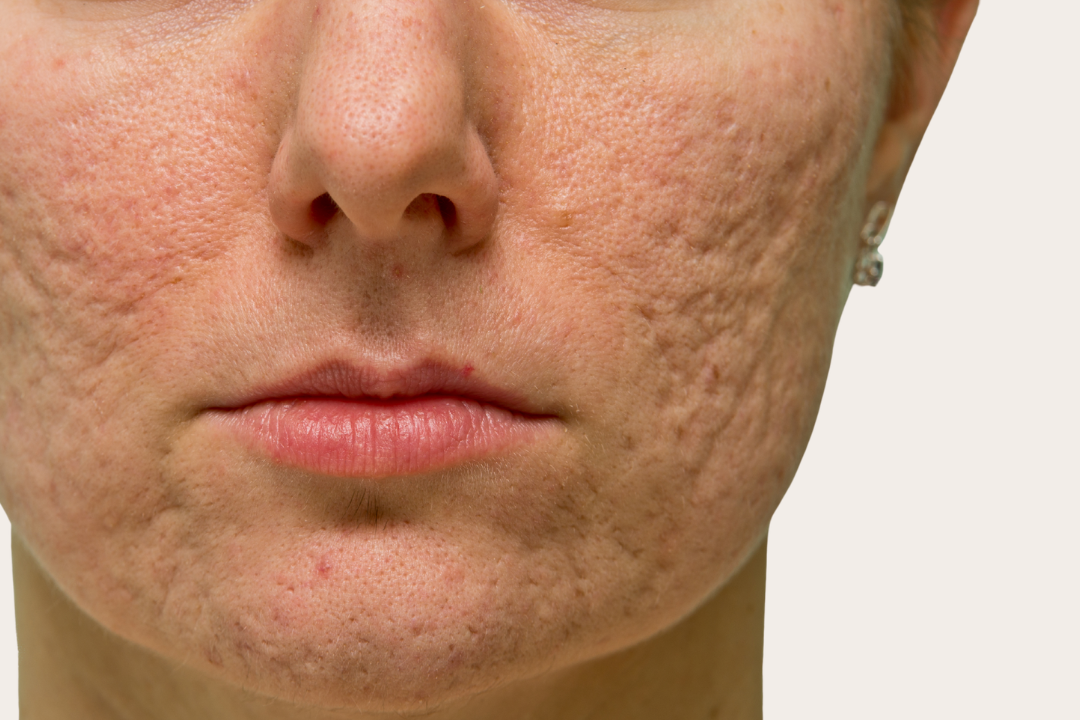
Pitted acne scars are sunken into the skin. These can include ice pick scars, rolling scars and boxcar scars.
- Ice pick scars tend to look deep and narrow.
- Rolling scars can give the skin a softer, uneven texture.
- Boxcar scars are usually wider with more defined edges.
Because pitted scars affect the structure and texture of the skin, topical skincare can only do so much on its own. This is where professional treatments often become part of the conversation.
Raised Acne Scars
Not all acne scars sit lower in the skin. Some can become raised, thick or lumpy, sitting above the skin’s surface rather than dipping below it.
Raised scars need careful advice, especially if your skin is prone to thicker or keloid-style scarring. If you are unsure what type of scarring you have, this is one of those moments where guessing your way through products is not the move.
Best Products For Acne Scars
If your main concern is flat post-acne marks, redness, uneven tone or skin that looks dull after breakouts, a targeted acne scarring cream, serum or treatment can help support the skin’s appearance. If your scars are pitted or sunken, products can still support overall skin quality, but they are unlikely to do the heavy lifting alone.
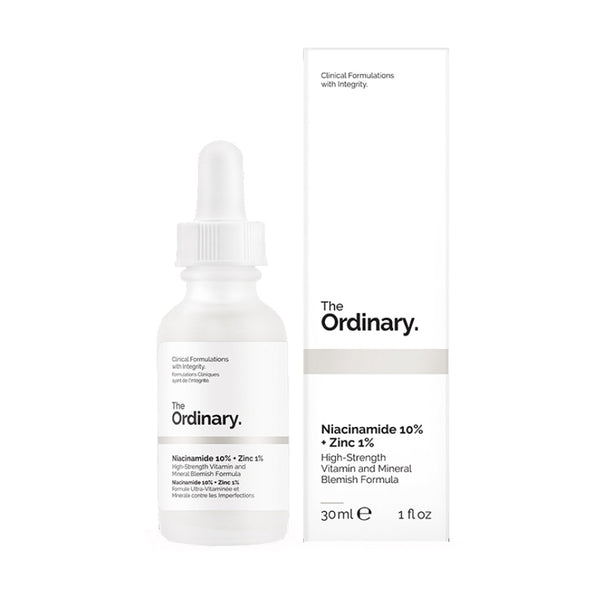
Our skin expert, Suzanne, explains, “Ingredients such as azelaic acid, niacinamide, collagen-stimulating ingredients and vitamin C can all be useful for oily and acne-prone skin.”
Vitamin A is another ingredient Suzanne recommends for acne scarring routines. As she explains, “Vitamin A helps to normalise skin cells and functions to lift off dead skin, bring new skin to the surface and stimulate collagen.”
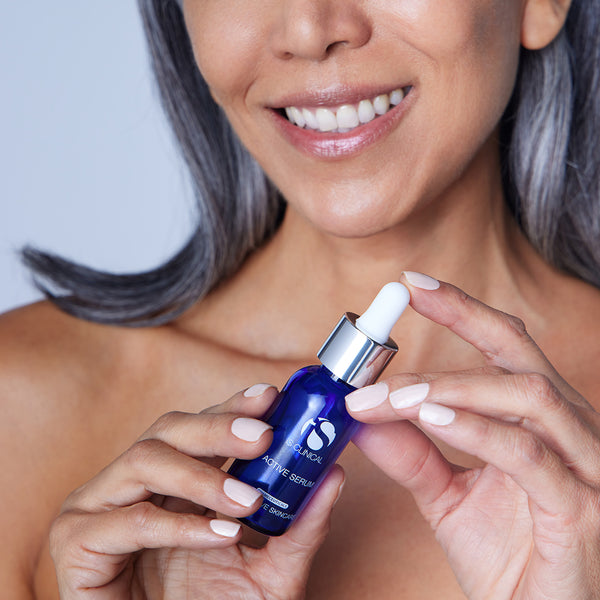
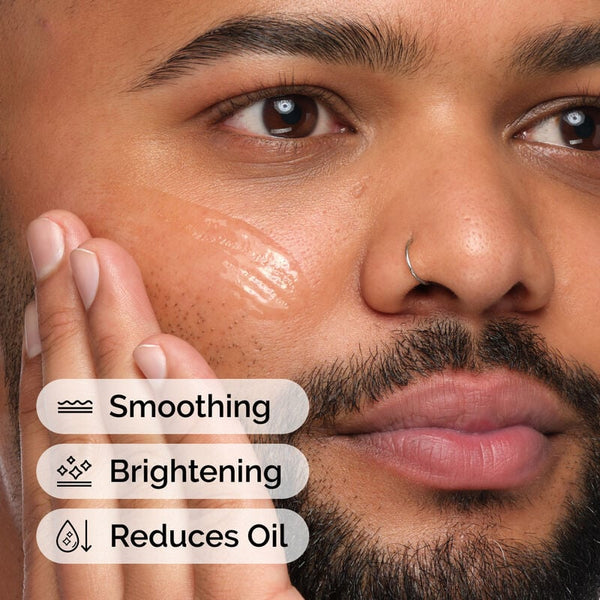
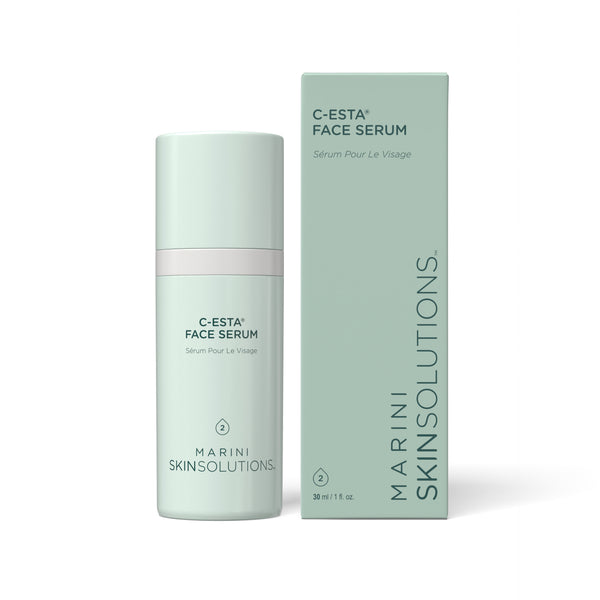
Our Skin Expert's Top Products




Micro-Needling For Acne Scars
For more pitted acne scars, micro-needling is often one of the professional treatments to consider.
As Kimberley explains, “More pitted scarring, where the scar is sunken into the skin, often needs micro-needling. It helps stimulate collagen and can help lift the appearance of scars.”
Micro-needling works by creating tiny, controlled punctures in the skin. This encourages the skin’s natural repair process and helps stimulate collagen and elastin production. Over time, this can help improve the look of scars that sit lower in the skin.
Different needle depths can be used depending on how deep the scarring is, which is why professional assessment matters. A shallow post-acne mark and a deeper pitted scar should not be treated in exactly the same way.
Micro-needling is not an instant fix because collagen takes time. But for pitted scarring, it can be a strong option when topical products are not enough on their own.
Explore expert-approved acne scarring products at Face the Future, or book a consultation for personalised advice on the best treatment plan for your skin.