Can Sunscreen Cause Acne?
Can sunscreen cause acne? Learn why some SPFs trigger breakouts, how to choose acne-friendly sunscreen, and the best way to protect your skin daily.

Let’s start with something we hear all the time from our community:
“I know I should wear SPF every day, but every time I do, my skin breaks out.”
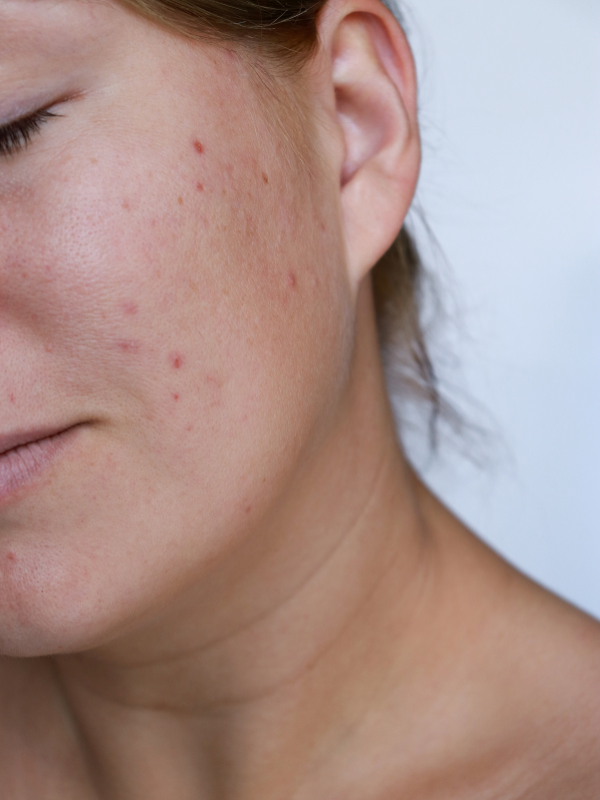
If that sounds familiar, you are definitely not alone. When your skin is already prone to congestion, blackheads, sensitivity or inflamed breakouts, the idea of adding another layer to your morning routine can feel a little risky. Especially when that layer is sometimes associated with shine, stickiness, blocked pores, or the dreaded “tiny bumps by the afternoon” situation.
So, can sunscreen cause acne?
The honest answer is: sunscreen itself doesn’t directly cause acne in the same way hormones, genetics, excess sebum or inflammation can. But certain sunscreen formulas, ingredients, textures and habits absolutely can contribute to breakouts, particularly if your skin is already acne-prone, oily, sensitive or easily congested.
The good news? You do not need to choose between protected skin and clearer skin.
You just need the right SPF formula, the right application habits, and a cleansing routine that properly removes it at the end of the day. Once you understand what might be triggering your breakouts, SPF becomes much easier to wear every single day without feeling like you are sabotaging your skin.

You Still Need SPF If You Have Acne
We know it can feel tempting to skip sunscreen when your skin is breaking out. When your face feels oily, inflamed or overloaded, the last thing you want is another product sitting on top of everything.
But SPF is not an optional step, even for acne-prone skin.
Daily sun protection helps protect your skin from UVA and UVB rays, which are linked to sunburn, pigmentation, premature ageing and long-term skin damage. UVA rays are especially sneaky because they are present all year round and can pass through clouds and glass, meaning your skin can still be exposed even on grey days, in the car, or while sitting near a window.
For acne-prone skin, SPF matters for another reason too: post-breakout marks.
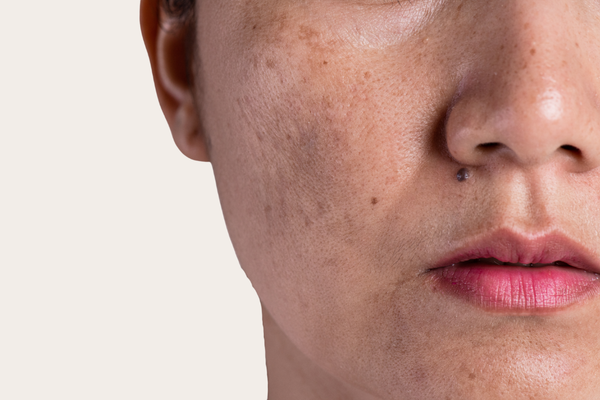
If you are prone to red or brown marks after spots, UV exposure can make this discolouration look darker and last longer. This is especially true if you are using active ingredients such as retinoids, exfoliating acids or certain acne treatments, which can make your skin more sensitive to sunlight.
So, rather than removing SPF from your routine, the aim is to find one your skin can actually get along with.
So, Why Can Sunscreen Cause Breakouts?
This is where things get a little more nuanced.
A good SPF should protect your skin barrier, not overwhelm it. But some formulas are richer, heavier or more occlusive than others. On dry skin, that might feel comforting. On oily or breakout-prone skin, it can sometimes feel too much.
Here are the most common reasons your sunscreen might be contributing to breakouts.
1. The Formula Is Too Heavy For Your Skin
Some sunscreens are designed to feel nourishing, creamy and moisturising. That can be lovely if your skin is dry or mature, but if your pores clog easily, thick textures may trap oil, sweat and dead skin cells on the surface.
This does not mean moisturising sunscreens are “bad.” It simply means they might not be the best match for your skin type.
If your skin tends to feel shiny by midday, or you often notice small bumps after using rich creams, look for lighter SPF textures such as:
- Fluid sunscreens
- Gel sunscreens
- Water-based formulas
- Oil-free SPFs
- Lightweight lotions
- Matte or dry-touch finishes
These tend to feel more breathable and are often better suited to oily, combination or acne-prone skin.
2. It Contains Comedogenic Ingredients
“Comedogenic” simply means pore-clogging.
Not every pore-clogging ingredient will affect every person in the same way, and ingredient lists are not always straightforward. Skin is personal. What causes congestion for one person might be completely fine for someone else.
However, acne-prone skin often prefers formulas labelled:
- Non-comedogenic
- Oil-free
- Won’t clog pores
- Non-acnegenic
- Suitable for sensitive skin
- Dermatologist tested
These phrases are not a perfect guarantee, but they are a helpful starting point when choosing an SPF.
You may also want to be cautious with very heavy oils, thick waxes, rich butters or overly occlusive textures if you know your skin clogs easily. It is not about fearing every ingredient. It is about noticing patterns and choosing formulas that make sense for your skin.
3. Sweat, Oil And SPF Are Building Up Throughout The Day
SPF is designed to form a protective layer on the skin. That is exactly what makes it effective.
But during the day, that layer can mix with sebum, sweat, pollution, makeup and whatever else your skin comes into contact with. In warmer weather, during exercise, or if you are wearing several layers of skincare and makeup underneath, things can start to feel heavy quite quickly.
This is one of the reasons people often say, “SPF breaks me out in summer.”
It might not be the sunscreen alone. It could be the combination of heat, sweat, oil, makeup, reapplication and not cleansing thoroughly enough later.
If your breakouts are worse in hot or humid weather, try keeping your daytime routine lighter. You may not need a rich moisturiser underneath your SPF, especially if your sunscreen is already hydrating.
4. You’re Not Removing It Properly At Night
This is one of the biggest culprits.
SPF is designed to stay put. Many formulas are water-resistant, sweat-resistant or made to grip the skin for long-lasting protection. A quick splash of water or a rushed cleanse may not be enough to remove it properly.
If sunscreen residue is left behind, it can mix with oil, makeup and pollution, creating a film on the skin that may contribute to congestion.
This is where double cleansing becomes your quiet, steady hero.
Your first cleanse removes SPF, makeup and surface oils. Your second cleanse actually cleans the skin underneath. It does not need to be harsh, stripping or complicated. In fact, acne-prone skin usually does better with gentle consistency than aggressive scrubbing.
Try this evening routine:
· First cleanse with a balm, oil, cream or micellar cleanser to break down SPF and makeup.
· Second cleanse with a gentle water-based cleanser suited to your skin type.
· Pat dry, then follow with your treatment serum or moisturiser.
Your skin should feel clean and comfortable, not tight or squeaky.
5. Your Skin Barrier Is Already Irritated
Sometimes SPF gets blamed for breakouts when the real issue is an overwhelmed skin barrier.
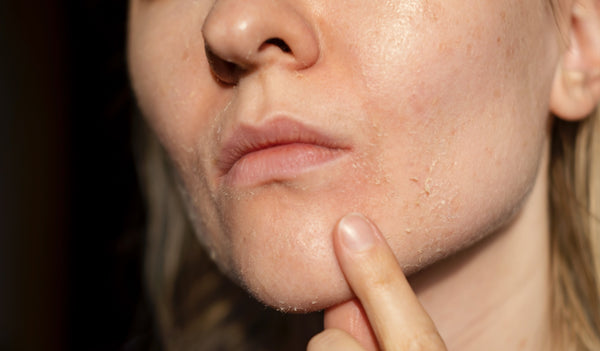
If your skin is dry, tight, stinging, flaky or suddenly reacting to products you normally tolerate, your barrier may be struggling. When this happens, almost everything can feel like too much, including sunscreen.
This is especially common if you are using multiple acne actives at once, such as salicylic acid, benzoyl peroxide, retinoids or exfoliating acids. These ingredients can be brilliant when used correctly, but overdoing them can leave the skin more reactive.
A compromised barrier can make your skin more prone to irritation, redness and breakouts. So rather than switching SPF every few days, take a step back and look at the whole routine.
Your skin may need fewer actives, more hydration, and barrier-supporting ingredients like:
- Ceramides
- Niacinamide
- Panthenol
- Hyaluronic acid
- Glycerin
- Squalane
- Centella asiatica
Clearer skin is not just about treating blemishes. It is also about helping your skin feel calm, supported and resilient.
We know it can feel tempting to skip sunscreen when your skin is breaking out. When your face feels oily, inflamed or overloaded, the last thing you want is another product sitting on top of everything.
But SPF is not an optional step, even for acne-prone skin.
Daily sun protection helps protect your skin from UVA and UVB rays, which are linked to sunburn, pigmentation, premature ageing and long-term skin damage. UVA rays are especially sneaky because they are present all year round and can pass through clouds and glass, meaning your skin can still be exposed even on grey days, in the car, or while sitting near a window.
For acne-prone skin, SPF matters for another reason too: post-breakout marks.
If you are prone to red or brown marks after spots, UV exposure can make this discolouration look darker and last longer. This is especially true if you are using active ingredients such as retinoids, exfoliating acids or certain acne treatments, which can make your skin more sensitive to sunlight.
So, rather than removing SPF from your routine, the aim is to find one your skin can actually get along with.
 Chemical vs Mineral SPF: Which Is Better For Acne-Prone Skin?
This is a question we hear often.
Mineral sunscreens use filters such as zinc oxide and titanium dioxide. These sit on the skin and help reflect and scatter UV rays. They are often well tolerated by sensitive or acne-prone skin, and zinc oxide in particular is a lovely ingredient to look out for if your skin is easily irritated.
Chemical sunscreens absorb UV rays and convert them into heat before they can damage the skin. These formulas are often lighter, more invisible and easier to wear under makeup.
So, which one is best?
There is no universal answer.
Some acne-prone skins prefer mineral SPF. Others find mineral formulas too thick or chalky and get on much better with a lightweight chemical or hybrid sunscreen. What matters most is not just whether the SPF is chemical or mineral, but the overall formula.
For acne-prone skin, prioritise:
- Lightweight texture
- Non-comedogenic claims
- Oil-free or non-greasy finish
- Fragrance-free if your skin is sensitive
- Broad-spectrum protection
- SPF30 or higher
- A formula you will genuinely wear every day
The best sunscreen is not the one that looks perfect on paper. It is the one your skin tolerates, your routine supports, and you actually enjoy applying.
How To Tell If Your Sunscreen Is Breaking You Out
It can be hard to know whether SPF is the problem, especially if your skin is already unpredictable.
A few signs your sunscreen might be contributing include:
- Breakouts appear in the same areas you apply SPF most heavily
- You notice tiny bumps or congestion after several days of use
- Your skin feels greasy, coated or itchy after application
- Spots worsen when you wear SPF under makeup
- Breakouts improve when you stop using that specific formula
- Your skin feels calmer after switching to a lighter SPF
But remember, acne is complex. Hormones, stress, diet, medication, weather, skincare changes and your menstrual cycle can all play a role. Try not to blame one product too quickly unless you have noticed a consistent pattern.
A simple way to test is to patch-test a new SPF along your jawline for a few days before applying it all over your face. This is not guaranteed, but it can help you spot irritation before committing fully.
 How To Prevent Sunscreen Breakouts
You do not need a complicated routine to prevent sunscreen acne breakouts, just a more thoughtful one.
· Choose The Right Texture For Your Skin: If your skin is oily or congested, avoid very rich creams unless you know your skin loves them. Try gel, fluid, water-based or matte-finish SPFs instead.
· Look For Non-Comedogenic Formulas: This is one of the easiest ways to narrow down your options. Again, it is not a guarantee, but it gives acne-prone skin a better starting point.
· Keep Your Morning Routine Light: Layering too many products under SPF can increase the chance of pilling, greasiness and congestion. In many cases, a gentle cleanse, lightweight serum, moisturiser if needed, and SPF is enough.
· Do Not Skip Cleansing At Night: Even if you did not wear makeup, you still need to remove your SPF properly. Double cleansing is especially helpful if you use water-resistant sunscreen or reapply throughout the day.
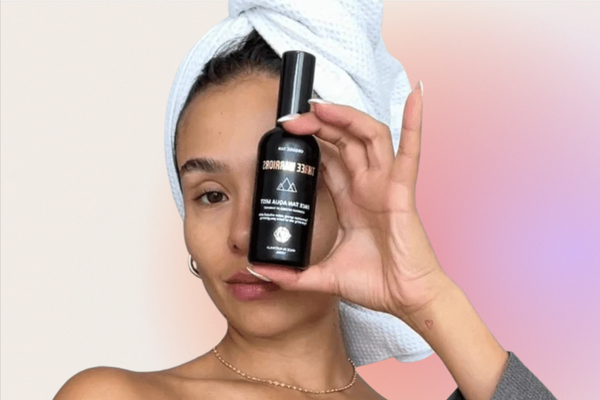
· Reapply Smartly: SPF needs topping up, especially if you are outdoors, sweating or touching your face. If your skin is acne-prone, choose lightweight reapplication options such as SPF mists, fluids or powders that do not create a heavy layer.
· Avoid Scrubbing Your Skin: If you think sunscreen is blocking your pores, it can be tempting to exfoliate more. But over-cleansing or scrubbing can irritate the skin and make breakouts worse. Gentle, consistent cleansing is much better than aggressive removal.
· Keep Makeup Layers Breathable: If you wear foundation over SPF, try a thinner base and spot-conceal where needed. Heavy layers of primer, foundation, powder and setting spray can trap heat and oil, particularly in warmer weather.
What Ingredients Can Be Helpful In SPF For Acne-Prone Skin?
When choosing sunscreen for acne-prone skin, look for formulas that offer protection without overwhelming your barrier.
Ingredients your skin may appreciate include:
· Zinc oxide: A mineral UV filter often well suited to sensitive or breakout-prone skin.
· Niacinamide: Helps support the skin barrier, balance the look of oiliness and calm the appearance of redness.
· Hyaluronic acid: Hydrates without heaviness, making it useful for dehydrated but oily-feeling skin.
· Glycerin: A reliable humectant that helps keep skin comfortable.
· Ceramides: Support the skin barrier, especially if you are using acne treatments.
· Antioxidants: Ingredients like vitamin E or vitamin C can help support the skin against environmental stressors.
You do not need all of these in one product. Think of them as helpful extras rather than strict requirements.
 Ingredients And Textures to Be Cautious With
Again, this is not about fear. It is about awareness.
If your skin clogs easily, you may want to be careful with:
- Very thick cream textures
- Heavy oils
- Rich butters
- Waxy balms
- Strong fragrance if you are sensitive
- Very occlusive formulas layered with heavy makeup
- Products that leave your skin feeling greasy for hours
Some people can use these with no issues. Others notice congestion quickly. Your skin will usually tell you what it likes; we just have to listen to it.
Should You Stop Wearing Sunscreen If It Breaks You Out?
No, but you should stop wearing that sunscreen if it is clearly not working for you.
There is a big difference.
If one SPF causes breakouts, it does not mean all sunscreens will. It simply means that formula may not be the right fit. There are so many elegant, lightweight, acne-friendly sunscreens available now, from invisible fluids to gel creams, mineral tints and oil-free formulas.
Your skin deserves protection that feels comfortable.
If you are stuck in a cycle of buying SPF after SPF and breaking out every time, it may be worth getting expert advice. Sometimes the issue is the formula. Sometimes it is the cleanser. Sometimes it is the moisturiser underneath, the makeup on top, or an acne treatment that has left your barrier too fragile.
This is where tailored support can make all the difference.
A Simple Acne-Friendly SPF Routine
Here is a gentle structure that works well for many breakout-prone skins:
Morning
· Cleanse with a gentle cleanser, or rinse with water if your skin is dry or sensitive.
· Apply a lightweight hydrating serum if needed.
· Use a light moisturiser only if your skin needs it.
· Apply a broad-spectrum SPF30 or SPF50 as the final skincare step.
· Follow with makeup if you wear it, keeping layers light.
During The Day
· Reapply SPF every two hours when exposed to daylight, and more often if sweating, swimming or towel drying.
· Blot excess oil gently rather than piling on powder repeatedly.