Iron Tablets: How to Choose the Right Supplement for Fatigue
Feeling constantly tired can make everyday life feel heavier, but low iron is only one possible cause. Here, we explain common iron deficiency symptoms, how tablets, gentle formulas and iron sprays differ.

When you’re feeling unusually tired, even the simplest parts of your day can begin to feel like hard work. Your energy may disappear by mid-afternoon, climbing the stairs might leave you breathless, or you may struggle to concentrate despite getting a reasonable night’s sleep.
Low iron could be one explanation, but fatigue alone does not confirm an iron deficiency. Tiredness can have many causes, which is why taking iron tablets “just in case” is not always the safest or most helpful approach.
If a blood test shows that your iron levels are low, however, the right iron supplement can help replenish your stores and support normal energy production. The challenge is finding a formula that provides an appropriate amount of iron without leaving your digestion feeling uncomfortable.
From traditional iron tablets to chewable supplements and convenient iron sprays, we are explaining the differences, what to look for and when it is important to speak to your GP.

Could Low Iron Be Causing Your Fatigue?
Yes, it potentially could be. This is because iron is needed to make haemoglobin, the protein in red blood cells that carries oxygen around your body. When your body doesn’t have enough iron, it may struggle to produce sufficient healthy red blood cells. This can lead to iron deficiency anaemia.
The NHS lists tiredness, low energy, shortness of breath, heart palpitations, headaches and paler-than-usual skin among the most common iron deficiency symptoms. Some of our community with iron deficiency may also experience hair loss, restless legs, a sore tongue or cravings for non-food items such as ice.
Now, this does not mean every difficult morning or afternoon slump is caused by low iron. Vitamin B12 or folate deficiency, thyroid conditions, vitamin D deficiency, illness, stress and poor-quality sleep may all cause similar symptoms.
Common Iron Deficiency Symptoms
It may be worth speaking to your GP when fatigue is persistent or appears alongside symptoms such as:
- Breathlessness during normal everyday activities
- Noticeable or unusually fast heartbeats
- Frequent headaches or dizziness
- Skin that looks paler than usual
- Feeling weak or lacking stamina
- Increased hair shedding
- Restless legs
- A sore tongue or cracks at the corners of your mouth
- Craving or chewing ice
Seek urgent medical help for severe breathlessness, chest pain, fainting or a very fast or irregular heartbeat rather than assuming that an iron supplement will solve the problem.
Before Buying Iron Tablets, Arrange a Blood Test
It can be tempting to order the first supplement labelled for energy, especially when you are desperate to feel more like yourself again. However, iron is one nutrient where more is not automatically better.
A GP will usually begin with a full blood count, or FBC, to assess your red blood cells and check for anaemia. Depending on your symptoms and medical history, they may also assess ferritin and other iron markers. Ferritin helps indicate how much iron your body has stored and is regarded by the British Society of Gastroenterology as the single most useful marker of iron deficiency anaemia, although other tests may be needed when inflammation or another health condition could affect the result.
Testing matters for two reasons. Firstly, it confirms whether iron is actually the missing piece. Secondly, it allows your GP to investigate why your levels are low.
Iron deficiency can result from heavy periods, pregnancy, reduced dietary intake, problems absorbing nutrients or bleeding from the stomach or intestines. Treating the underlying cause can be just as important as replacing the iron itself.
This is particularly important for men, postmenopausal women and anyone with unexplained or recurring iron deficiency, as ongoing blood loss or another medical condition may need further investigation.

Who Is More Likely to Need Iron Support?
Anyone can develop low iron, but the likelihood may be higher for people who:
- Have heavy or prolonged periods
- Are pregnant or have recently given birth
- Donate blood frequently
- Follow a restrictive diet or struggle to eat enough iron-rich foods
- Have coeliac disease, inflammatory bowel disease or another condition affecting nutrient absorption
- Have undergone certain types of gastrointestinal or bariatric surgery
- Experience ongoing blood loss
- Have previously been diagnosed with iron deficiency
Pregnant people should discuss supplements with their GP or midwife, as their requirements and the appropriate dose may differ. Children should only be given an iron product intended for their age and on the advice of a suitable healthcare professional.
What Are the Different Types of Iron Tablets?
The front of the pack may simply say “iron”, but the ingredient list can reveal several different forms. The best iron tablets are not necessarily the ones with the biggest number on the label. Your recommended dose, the amount of elemental iron supplied and how well you tolerate the formula all matter.
“Elemental iron” refers to the actual amount of iron that the product provides. Two tablets can contain different iron compounds and have very different total weights while providing a similar amount of elemental iron. A pharmacist can help you compare them correctly.
Ferrous Sulfate
Ferrous sulfate is one of the most established and widely used medicines for treating iron deficiency anaemia. It is effective and usually relatively affordable, which is why it is frequently recommended or prescribed.
Its main drawback is digestive discomfort. Some people experience nausea, heartburn, stomach pain, constipation or diarrhoea. Darker stools are also common while taking oral iron and are generally expected, although black, tar-like or bloody stools should be discussed urgently with a healthcare professional.
Ferrous Fumarate
Ferrous fumarate is another commonly used oral iron medicine. It can provide a relatively high amount of elemental iron, depending on the strength and dose.
Like ferrous sulfate, it may cause digestive side effects. The NHS advises that people who experience side effects may sometimes be moved to alternate-day treatment, but that decision should be made with a doctor or pharmacist rather than by changing a prescribed dose yourself.
Ferrous Gluconate
Ferrous gluconate generally supplies less elemental iron per tablet than many sulfate or fumarate preparations. This does not automatically make it weaker or better; the number of tablets and overall dose may simply differ.
Some people find one traditional iron salt easier to tolerate than another, but there is no single formulation that suits every digestion. Your GP or pharmacist may suggest trying an alternative if your original tablets are difficult to take consistently.
Iron Bisglycinate or Glycinate
Iron bisglycinate is a chelated form of iron, meaning the mineral is bound to an amino acid. It is often chosen by people looking for a gentler iron supplement, particularly when traditional iron salts have caused constipation, nausea or bloating.
Although it may be more comfortable for some of our community, “gentle” does not mean side-effect-free, and it is not automatically the right treatment for confirmed anaemia. Check the elemental iron content and make sure the formula provides the dose recommended by your healthcare professional.

Iron Tablets, Capsules, Chewables or Iron Spray?
Once you know which dose and form of iron you need, you can consider the delivery format that fits most comfortably into your routine.
Iron Tablets and Capsules
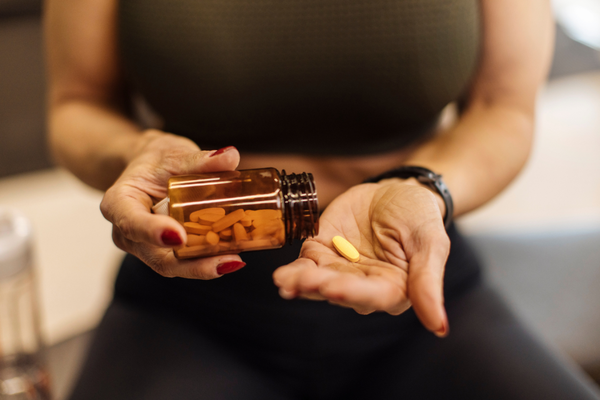
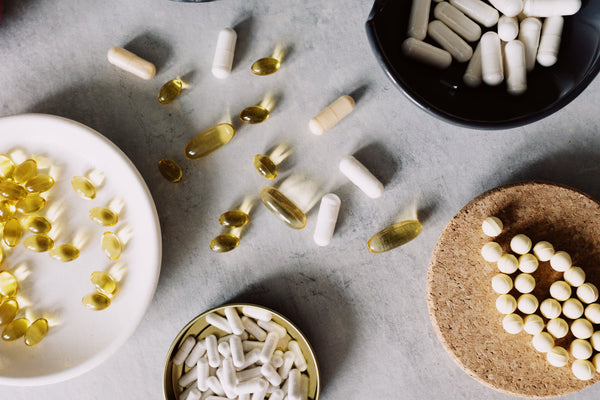
Tablets and capsules offer clearly measured doses and include both conventional iron medicines and gentler chelated formulas. They may be the most familiar option, although large tablets can be difficult to swallow and some high-dose preparations can upset sensitive stomachs.
Chewable Iron Supplements
A chewable supplement may feel more manageable if you dislike swallowing capsules. Check the label carefully, as chewable products can vary considerably in iron content and may contain flavourings, sweeteners or additional nutrients.
Iron Spray
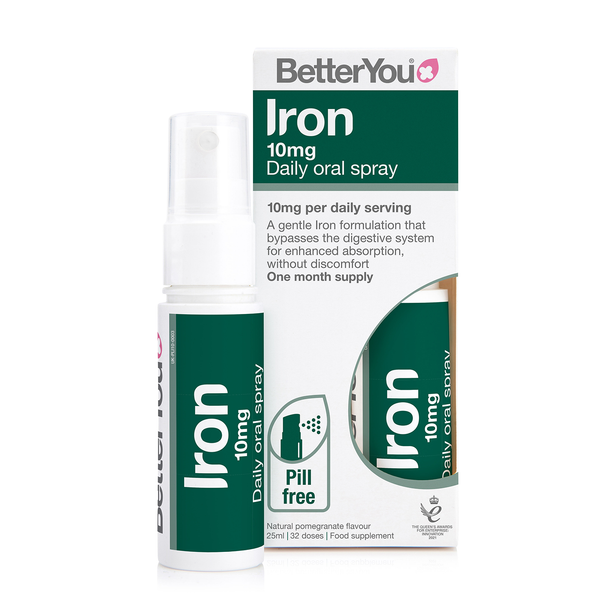
An iron spray is a convenient tablet-free format that can be used directly in the mouth. It may suit people who struggle to swallow tablets, travel frequently or prefer a quick supplement routine.
However, format should not be confused with strength. An oral spray is not automatically more effective, faster acting or equivalent to a prescribed course of iron tablets. When treating a confirmed deficiency, the priority is whether the product supplies the type and amount of iron advised by your GP or pharmacist.
How to Choose the Best Iron Tablets for You
The “best iron tablets” will depend on your blood results, the reason for your deficiency and how your body responds to treatment. Before choosing, consider these five questions. Our clinic manager, Kimberley Medd, lists five questions you should ask to find the best iron tablets for you.
1. Has a Deficiency Been Confirmed?
Avoid choosing a high-dose iron supplement based on fatigue alone. Blood testing can help distinguish iron deficiency from other causes of tiredness and establish whether supplementation is appropriate.
2. How Much Elemental Iron Does It Provide?
Do not compare products using only the total milligrams shown beside the iron compound. Look for the amount of elemental iron and follow the dose advised by your healthcare professional.
3. How Sensitive Is Your Digestion?
Anyone who has previously experienced constipation, nausea or stomach cramps may prefer to discuss a lower-dose preparation, iron bisglycinate or a different schedule with your GP or pharmacist.
4. Which Format Will You Take Consistently?
A clinically appropriate supplement only helps when it is taken as directed. A capsule, chewable or spray that fits comfortably into your day may be more practical than a product you repeatedly forget or avoid.
5. Does It Interact With Anything Else You Take?
Iron may interact with medicines and other supplements, including some antacids, antibiotics, thyroid medicines and products containing calcium, magnesium or zinc. Ask your pharmacist how much time to leave between them rather than taking everything together.
People with haemochromatosis, another iron-overload condition, certain types of anaemia or a history of repeated blood transfusions should not take iron unless specifically instructed to do so.
How to Take Iron for Better Absorption
How you take an iron supplement can affect both absorption and side effects. Always follow the instructions on your prescription or product label, as advice may vary between formulations.
Take It Away From Tea and Coffee
Tea and coffee contain compounds that can reduce iron absorption. NHS guidance for ferrous sulfate recommends leaving a two-hour gap between iron and tea, coffee, eggs or dairy products. Calcium-containing supplements may also need to be taken at a different time.
For example, someone who drinks tea with breakfast might find it easier to take their iron later in the morning or before bed, provided this follows their clinician’s advice and does not conflict with other medication.
Take It on an Empty Stomach When Tolerated
Ferrous sulfate is generally absorbed best on an empty stomach, around 30 minutes before food or two hours afterwards. However, iron can be difficult on the digestive system. Taking it with or just after food may be preferable when an empty-stomach dose causes nausea or pain.
It is better to take an agreed dose in a way you can tolerate than to repeatedly skip it because it makes you feel unwell. Persistent side effects should be discussed with your GP or pharmacist.
Pair Iron With Vitamin C
You may have heard that every iron tablet should be taken with 200mg of vitamin C or a glass of orange juice. Vitamin C can support iron absorption, and NHS medicine guidance notes that a doctor or pharmacist may recommend orange juice or a vitamin C supplement alongside ferrous sulfate.
The evidence around adding a separate high-dose vitamin C supplement to oral iron treatment is less straightforward, however. British guidance has noted that routine vitamin C supplementation has not consistently improved treatment outcomes. A vitamin C-rich food or drink may be enough, and there is no need to automatically add a high-dose tablet unless your clinician or the product directions recommend it.

How to Reduce Digestive Side Effects of Iron Supplements
Constipation, nausea and stomach discomfort are among the most common reasons people stop taking iron. A few adjustments may help:
- Take the supplement with or after food if an empty-stomach dose is uncomfortable.
- Drink plenty of water and include fibre-rich foods in your diet.
- Avoid taking more than the recommended amount.
- Ask whether a different iron salt or a chelated formula may be appropriate.
- Speak to your GP or pharmacist about a different dose or schedule.
- Do not split, crush or chew a medicine unless its instructions say this is safe.
Do not simply abandon a medically recommended course without discussing the problem. Your clinician may be able to change the preparation or dosing plan while continuing to restore your iron stores.
Iron treatment is rarely an overnight fix. Your GP may arrange repeat blood tests over the following months to make sure your red blood cells and iron stores are responding as expected.
Explore Iron Supplements at Face The Future
At the time of writing, Face The Future’s curated iron supplement collection includes spray, chewable and capsule formats, helping you find an option that feels manageable for your routine.
Remember that these are wellness products rather than a substitute for medical investigation. When blood tests have confirmed iron deficiency anaemia, check that any retail supplement matches the formulation and dose recommended by your GP or pharmacist.
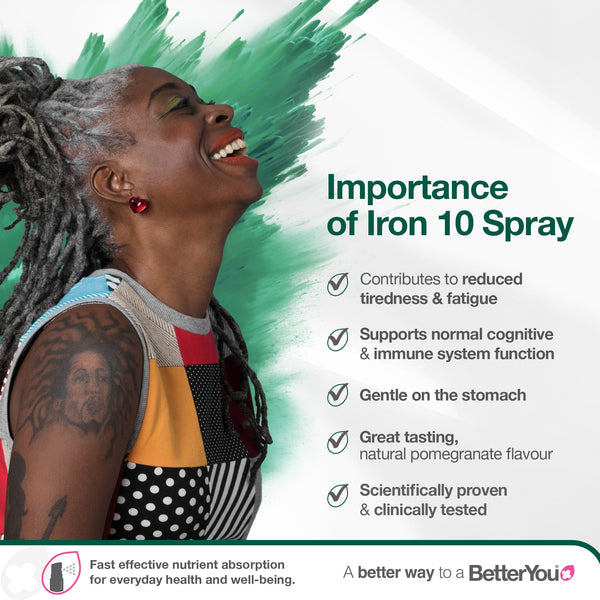
· BetterYou Iron Oral Spray: BetterYou Iron Oral Spray offers a convenient alternative for anyone who dislikes swallowing tablets. Its measured spray format may also be easier to incorporate into a busy or travel-friendly routine.
· Seeking Health Iron Chewable: Seeking Health Iron Chewable 60 Tablets combines iron in a chewable format with vitamin C. The product uses ferric glycinate and may suit those looking for an alternative to conventional capsules.
· ARTAH Essential Iron Complex: ARTAH Essential Iron Complex is a capsule-based option for those interested in an iron complex rather than a traditional ferrous sulfate tablet.
Frequently Asked Questions About Iron Tablets
CAN I TAKE IRON TABLETS BECAUSE I FEEL TIRED?
It is better to arrange a blood test first. Fatigue can be caused by several nutritional, hormonal, medical and lifestyle factors, and unnecessary iron supplementation may hide the real reason you feel unwell.
WHAT ARE THE BEST IRON TABLETS FOR A SENSITIVE STOMACH?
Iron bisglycinate or another lower-dose or chelated formula may be easier for some people to tolerate, but no product is guaranteed to be free from side effects. A GP or pharmacist can help you compare elemental iron doses and choose a suitable alternative.
CAN I TAKE IRON TABLETS WITH COFFEE?
Coffee can reduce iron absorption. Leave around two hours between coffee and ferrous sulfate, unless your healthcare professional has given you different instructions for your particular product.
SHOULD I TAKE IRON WITH VITAMIN C?
A vitamin C-rich food or drink may help absorption, and some iron supplements already include vitamin C. A separate high-dose vitamin C supplement is not always necessary, so follow your product directions or clinician’s advice.
ARE IRON SPRAYS BETTER THAN TABLETS?
Neither format is automatically better. An iron spray may be more convenient, while tablets and capsules are available in a wider range of strengths and formulations. For confirmed deficiency, choose the format that delivers the clinically appropriate dose and that you can tolerate consistently.
HOW LONG DO IRON TABLETS TAKE TO WORK?
Some people notice gradual improvements in their symptoms within several weeks, but restoring iron stores often takes longer. Keep taking the supplement for the period advised and attend any follow-up blood tests, even when your energy begins to improve.
Finding the Right Iron Supplement Support
When fatigue is affecting your quality of life, it is understandable to want a quick answer. The most helpful first step, however, is not necessarily buying the strongest iron tablets you can find. It is understanding what your body actually needs.
Arrange a GP appointment if you recognise the symptoms of low iron, particularly if they are persistent, worsening or affecting everyday activities. Once your blood results are available, you can choose an iron supplement according to the dose you need, your digestion and the format you are most likely to take consistently.
Shop our curated iron supplements, discover our wider range of wellness supplements, or explore the complete supplements collection to find what works best for you.
Or, for help comparing the available formats, contact us to speak to a member of our expert team. For personalised medical guidance, suspected iron deficiency or advice about medicines and dosages, always consult your GP or pharmacist.
*Food supplements should not be used as a substitute for a varied, balanced diet and healthy lifestyle. This article provides general information and is not intended to diagnose or treat a medical condition.
Shop Our Iron Supplements