Creatine Benefits: What It Does, When to Take It & Who It’s For
Creatine is one of the most researched sports supplements in the world. With benefits such as improved physical performance, as well as potential benefits related to brain health.

Creatine is one of the most researched sports supplements in the world. It can support your physical performance, including increased power and strength output in the gym. It is also currently being researched for its potential benefits related to brain health and cognition, but evidence in these areas is still developing.
It’s often considered a supplement exclusively for gym-goers and bodybuilders, but creatine can be beneficial to our community. Whether you’re new to training, looking to improve your strength or simply curious about the potential benefits, it’s worth understanding how it works and how to take it.
There is a lot of discourse around this popular supplement:
- What’s the correct dose?
- Do I need to go through a “loading phase” to saturate my body with creatine?
- When is the best time to take it?
In this guide, we will answer these questions and explore the benefits of creatine, the different forms, who can benefit from it and everything you should know before adding it to your daily wellness routine.
What is Creatine?
Creatine is a naturally occurring organic compound that is primarily stored in your skeletal muscles, with smaller amounts in your brain. Some quick things to know are:
- Creatine monohydrate is the gold standard and most researched form.
- The recommended daily dose is between three and five grams daily and, a “loading phase” is optional.
- Many people take it to improve their physical and athletic performance.
- It can also help you to increase and maintain muscle mass when combined with resistance training.
- Taking it consistently is far more important than specific timing.
- Certain food sources that contain creatine, such as red meat and fish.

What Does Creatine Do & What Are the Benefits?
Creatine has a range of benefits; though it is best known for its ability to support physical performance during short and high-intensity exercise. Here’s a full list of benefits you can expect from taking this supplement:
- Supports Exercise Performance: Creatine helps increase phosphocreatine stores in your muscles, which can help your body rapidly regenerate adenosine triphosphate (ATP) during high-intensity exercise.
- Strength Increases: Creatine can also help you have higher performance output during strength training. By providing your muscles with more ATP, you’re able to recover faster between when exercising.
- Supports Muscle Building Goals: Having more energy and higher performance outputs in the gym can signal to your muscles that it needs to grow muscle, especially if you’re progressively increasing the number of repetitions or load each week for your exercises.
- Aids in Recovery: Creatine can help you recover in a range of ways. It can reduce inflammation and chemical markers of exercise-induced muscular damage (the micro tears and soreness you may experience after a tough gym session).
- May Reduce Risk of Muscle Cramping: By pulling water into your muscle cells, creatine supports proper cellular hydration, and as such, proper muscle function.
- Active Ageing, Wellness: As our bodies age we gradually lose muscle mass and strength. This can make your body more vulnerable to picking up small aches and niggles. However, creatine helps counter this when paired with a resistance training program.
- Cognitive Support: Creatine is now being studied for the potential benefits that it can provide to brain health and cognitive function. Though, more research is needed, our team of wellness experts are always keen to keep up to date with emerging science.
How Does Creatine Affect Your Hormones at Different Stages of Life?
For women in particular, oestrogen can help regulate your body’s natural production of creatine and assist in the uptake of it. Depending on what stage you are at in your life, creatine can have a range of effects.
- Reproduction and Menstrual Cycles: During a woman’s reproductive years, your body handles energy differently depending on your cycle phase. Such as, during your luteal phase, higher progesterone levels increase protein breakdown and make it harder for your body to turn food into energy. Creatine helps by increasing ATP energy production levels.
- Pregnancy and Postpartum: While pregnant, developing a foetus demands massive amounts of energy, something creatine may be able to help with. It may also help with healthy foetal development and protect tissue energy pathways. It can also help with postpartum and cognitive fatigue associated with a newborn. When pregnant, it is always best to consult a healthcare professional before taking new supplements.
- Perimenopause and Menopause: Lower oestrogen can affect the glucose metabolism of your brain, which can lead to mental fatigue and cognitive lapses. Creatine can act as an alternative fuel for your brain, as a small amount is stored there. It can also help with maintaining muscle mass, as your body’s lower oestrogen reduces signals for your body to build and keep muscle, paired with resistance training.
-
Postmenopausal: Once your oestrogen is at a lower baseline level, the risk of muscle wasting and reduced bone density increases. Creatine may offer support to slow down the rate at which this happens, allowing your bones to hold on to more minerals. Having increased bone density and musculature will also enable you to have better mobility and balance in later life.
Is Creatine Safe?
This may be a prime concern for many who may be unfamiliar with creatine. Put simply, yes, creatine is safe. It’s backed by decades of scientific research, showing that anything from three to five grams of supplementation daily is perfectly safe and well-tolerated by most people.
When you first start taking creatine, you may notice a slight bump in your scale weight. Now, it’s important to understand, that this isn’t you putting on weight. Rather, creatine helps with water retention, drawing it into your muscles to make them look fuller and function better.
For those who may have health issues related to kidney function, it would be best to talk to your doctor before taking creatine.
Ultimately, if you have any ongoing health concerns, we'd always recommend that you speak to a healthcare professional before taking additional supplementation such as creatine.
What Are the Different Types of Creatine?
There are a range of different types of creatine that are included in supplements; we’ll look at some of the most common here.
- Creatine Monohydrate: By far the most used form of creatine in supplementation, as well as being the most studied form.
- Creatine Hydrochloride: Creatine Hydrochloride (HCL) is a form of creatine that is bound with hydrochloric acid to make it more soluble.
- Creatine Ethyl Ester (CEE): This is a modified form of the supplement, with an ethyl ester group attached to the chemical structure to improve absorption.
- Creatine Magnesium Chelate: This form of creatine was produced with additional magnesium; this was done with the aim of improving muscle protein synthesis.
- Buffered Creatine: Creatine produced with an alkaline powder to reduce the acidity for those that may encounter any stomach discomfort, such as bloating.
- Creatine Nitrate: This form of creatine breaks apart in the body into creatine and nitrates separately. This enables you to experience the benefits of creatine, alongside the blood-flow enhancement you get from nitric oxide production.

What Are the Forms You Can Take Creatine In?
Creatine supplements are available in several formats. They can generally support the same creatine benefits when they provide an appropriate daily amount, so the best option often comes down to convenience, preference, value and how easy it is to take consistently.
-
Powder:
Best for: Everyday use, flexible dosing and good value per serving.
Key benefits: Easy to mix with water, juice, smoothies or protein shakes. Often available as creatine monohydrate and simple to adjust for loading or maintenance doses.
Things to check: Check serving size and whether the product provides a good cost per dose. Some people may dislike the taste or texture. -
Tablets and capsules:
Best for: Travel, convenience and avoiding mixed drinks.
Key benefits: Pre-dosed, portable and easy to take away from home.
Things to check: Some products are dosed below the recommended daily amount, meaning you may need several tablets or capsules per day. -
Gummies:
Best for: People who prefer a more palatable supplement format.
Key benefits: Easy to consume and useful if you do not enjoy powders or struggle with tablets.
Things to check: Check the creatine amount per gummy, as multiple gummies may be needed to reach the recommended daily dose. -
Infused snacks and bars:
Best for: Adding creatine into an existing workout snack routine.
Key benefits: Convenient if you already use protein bars or other snacks around training.
Things to check: Creatine content can vary, so review the serving information to ensure you are getting an appropriate daily amount. -
Liquid forms:
Best for: Ready-to-consume supplementation without mixing.
Key benefits: Convenient and easy to take when you do not want to prepare a powder or take tablets.
Things to check: Check the formulation and creatine dose. Creatine may be less stable in beverage form, so powder, particularly creatine monohydrate, remains the more commonly supported option.
When Is the Best Time to Take Creatine?
Unlike supplements such as caffeine, creatine doesn't need to be taken immediately before exercise to produce an acute effect. Its benefits are associated with gradually increasing and maintaining the amount of creatine stored in your muscles.
As such, taking creatine consistently is what’s key here. Taking the recommended daily dose of three to five grams daily is much more important than taking it at a specific time. You could take it first thing in the morning, before or after your workout, or alongside one of your meals, whichever fits easiest into your routine.
What’s The Best Daily Dosage for Creatine?
For most adults, the recommended daily dose is three to five grams daily to maintain elevated muscle creatine stores once they are established. You don’t need to take more than that even if you’re training particularly hard or for a specific type of exercise.
There are some people who prefer to do a “loading phase”, where they take an initial higher daily dose of 20 grams split into multiple smaller doses to help saturate the muscles faster before dropping down to a regular daily dose. Though this isn’t essential, as taking the daily amount will have the same effect, it will just take a little longer for your muscles to be fully saturated.

What Supplements Can You Take with Creatine?
You don’t necessarily need to take other supplements with protein for it to be effective. However, there are several that can be used alongside it depending on your training and nutritional goals to support different aspects, such as recovery and performance.
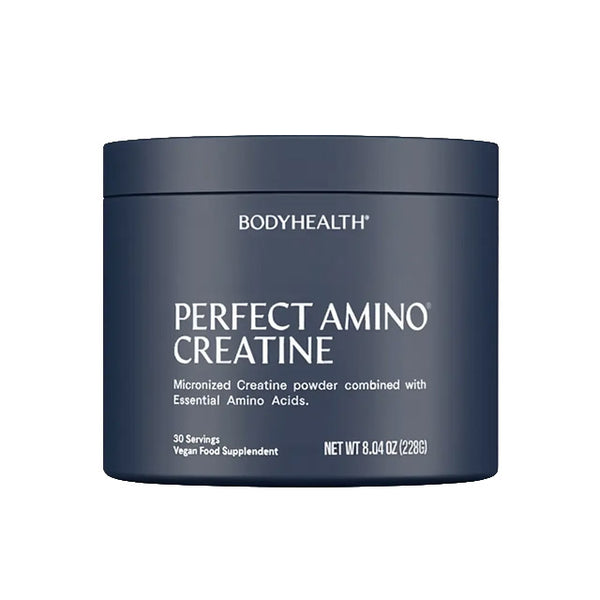
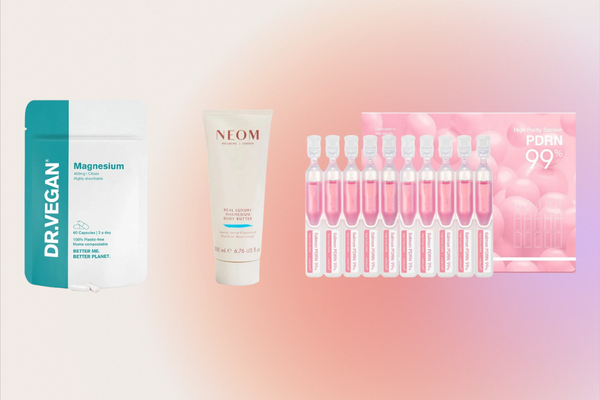
Recovery Products: magnesium supplements such as DR.VEGAN Magnesium and Essential Amino Acids (EAA) like BodyHealth Perfect Amino Powder.
Protein Powder: can support your health and wellness goals by helping you meet your daily protein intake conveniently.
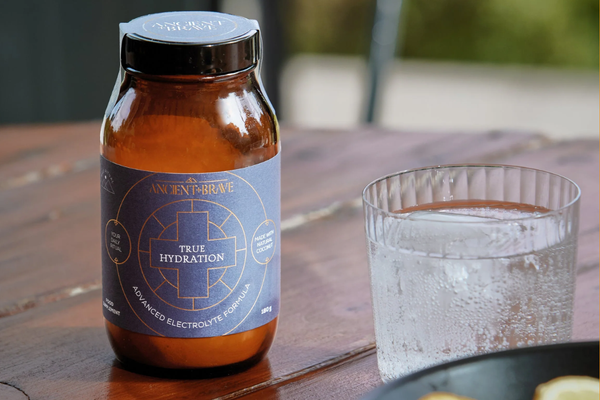
Electrolytes: electrolytes can assist creatine with keeping your muscles and body hydrated. They can also be formulated together, such as with Cytoplan Electrolyte Creatine Complex.
Who Should Take Creatine?
Creatine is often associated with bodybuilding and weight training, but its potential benefits aren't limited to experienced lifters. It can be relevant to anyone whose training involves repeated, high-intensity efforts, including resistance trainers, athletes, sprinters and recreational gym-goers.
Creatine isn't just for men, either. Women can also use creatine as part of an appropriate training and nutrition routine, with research exploring its potential effects on strength and exercise performance. While the evidence base in women is growing, it isn't as extensive as the research in men.
Though, as always, when considering a new supplement, if you are unsure, you should consult a healthcare professional. Especially those who may have underlying health issues or take any medication.
How Long Does It Take for Creatine to Work?
Creatine isn’t a supplement that you’ll feel working immediately. Its effects are linked to increasing the amount of creatine that’s stored in your muscles, which happens gradually with proper supplementation.
If you decide to use a “loading phase” of around 20 grams daily, divided into several smaller doses, you can expect your muscles to be saturated in around seven days. However, if you take the daily three to five grams, your stores will generally increase over the span of several weeks.
Once your muscles are saturated, taking the recommended daily dose is essential to continue feeling the benefits.
Final Thoughts: Is Creatine Right for You?
Creatine has earned its reputation as one of the most widely researched and used sports nutrition supplements, and for good reason. From supporting strength and power during high-intensity workouts, to potentially offering broader health benefits, creatine can be a useful addition to your fitness and wellness routine.
Currently, creatine monohydrate remains the gold standard, as it is the most researched form. Taking three to five grams daily of this supplement is an easy way to maintain your muscle creatine stores.
If you’re ready to find the right creatine for you, check out the full range curated by our wellness experts.
If you're ever unsure what products you need or the best format for your lifestyle, get in touch with our team of experts. We're always happy to discuss all things wellness.
Shop Our Creatine Supplements