Are You Doing Too Much to Your Skin? Bioderma Explains Skin Barrier Health
Could your skincare routine be doing too much? We spoke to Bioderma’s Medical Manager about skin barrier health, active ingredients and why sometimes, stripping things back is the smartest move for your...

From active ingredients to viral routines and new launches, there’s always something promising brighter, smoother, clearer, calmer skin. But when does a helpful routine become a little too much?
In our latest episode of Skincare and Beyond with Face the Future, we sat down with Gemma Jones, Medical Manager at Bioderma UK, to talk about skin barrier health, sensitive skin, overusing actives and why sometimes, less is more.
Known for its sensitive skin expertise and skin-first philosophy, Bioderma has long focused on supporting the skin’s natural function. So, who better to help us cut through the noise?
Why Is Bioderma So Well Known for Sensitive Skin?
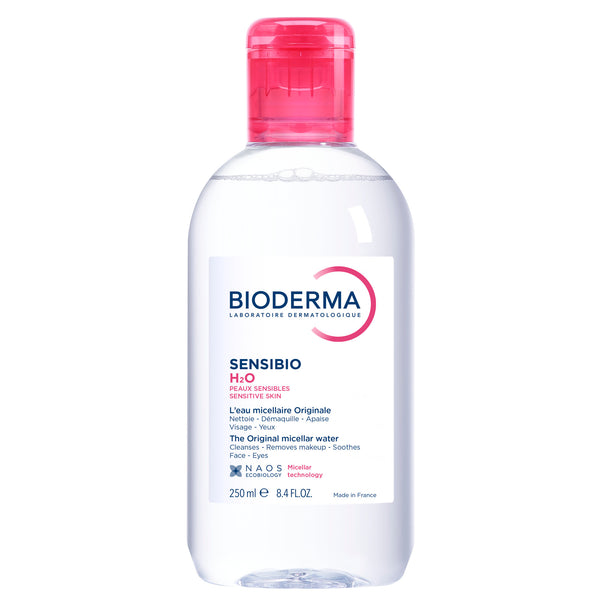
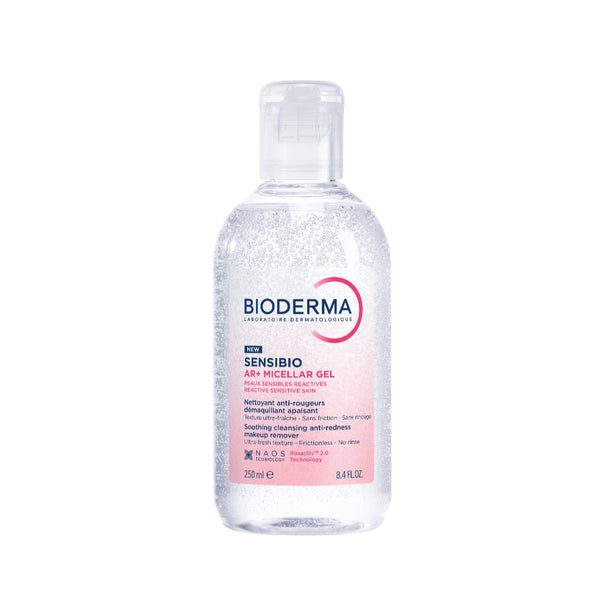
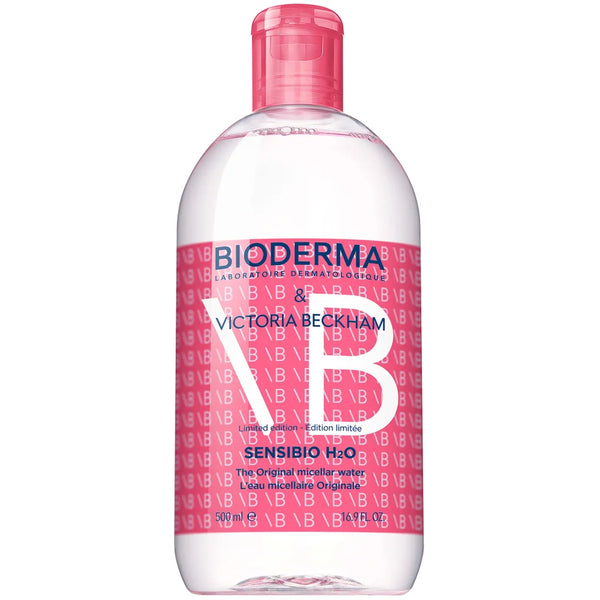
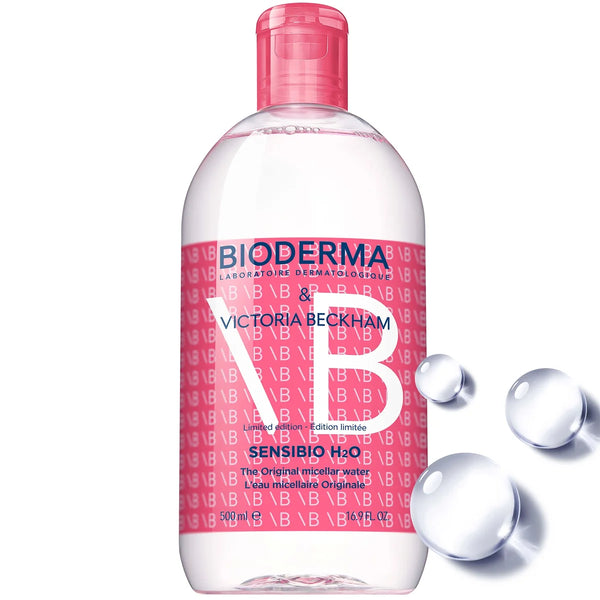
Bioderma has sensitive skin at the heart of its story. As Gemma explains, the brand created its iconic micellar water at a time when cleansing options were not always as gentle or skin-friendly as they are now.
“Bioderma actually invented the world’s first-ever micellar water.”
The idea was simple but clever: a cleanser that could remove makeup, SPF and daily build-up with as little friction as possible. That focus on gentleness has continued across the brand’s wider ranges, with products developed for different skin types and concerns, including acne, sensitivity, pigmentation and oiliness.
What Is the Skin Barrier?
Your skin barrier is your skin’s first line of defence. It sits at the very top layer of the skin and helps keep the good things in, while helping to keep potential irritants out.
Gemma describes it as a physical shield that helps keep hydration, vitamins and minerals inside the skin, while working to keep out things like allergens, bacteria and irritants.
Why Are We Talking About Skin Barrier Health More Than Ever?
We’re more skincare-aware than ever. We understand ingredients better, we’re more interested in skin health, and we’re much more willing to invest time in our routines.
The challenge? There is also more choice than ever. From trending actives to 10-step routines, it can be tempting to keep adding more. But according to Gemma, skin barrier health brings us back to a more grounded way of thinking, “The skin barrier can only deal with so much,” she explains.
That doesn’t mean active ingredients or longer routines are automatically bad. It simply means your skin does not always need everything, all at once. Sometimes, the most supportive thing you can do is understand what your skin actually needs, rather than following every new trend.
How Can You Tell If Your Skin Barrier Is Compromised?
A compromised skin barrier does not always appear dramatically overnight. Sometimes the first signs are subtle.
Gemma explains that skin can start to feel uncomfortable, “Tightness, mild dryness, mild sensitivity, even the occasional breakout can be a sign that something’s going wrong with the skin barrier.”
This often happens after introducing a new product, changing too many steps at once or using formulas that may be too strong for your skin.
What Are Active Ingredients?
Active ingredients are ingredients designed to create a change in the skin. They’re usually included to target a specific concern, such as dullness, blemishes, pigmentation, texture or signs of ageing.
Common actives include:
- Vitamin C, often used for radiance and uneven tone
- AHAs, such as glycolic or lactic acid, used for surface exfoliation
- BHAs, such as salicylic acid, often used for oily or blemish-prone skin
- Retinoids, used for concerns such as blemishes, texture and visible signs of ageing
Actives can be brilliant when they’re chosen well. The issue is usually not the ingredient itself, but how often it’s used, how strong it is, what it's used alongside and whether it suits your skin.
Which Actives Are Most Commonly Overused?
According to Gemma, the actives people tend to overuse most are AHAs, BHAs and retinoids.
That’s often because they can deliver visible results, which makes it tempting to use them more frequently. But exfoliating every day, when your skin does not need it, can be too much. Gemma explains, “Exfoliating your skin every single day, when it might not necessarily need it, is going to be really harsh for your skin.”
Retinoids and exfoliating acids can also make the skin more photosensitive, which means daily SPF becomes even more important.
What Is Bioderma’s Eco-Biology Approach?
Eco-biology is Bioderma’s skin philosophy. It is built around the idea that skin should be treated as an ecosystem and supported in a way that respects its natural biology.
“Our mission is to treat the skin as an ecosystem and to support it.”
Gemma explains that Bioderma uses biomimetic ingredients, which are ingredients that mimic elements already found in healthy skin, “We want to give the skin what it needs and not over-treat the skin.”
What Should You Do If You Think You’re Overdoing It?
If your skin feels irritated, sensitive, tight, uncomfortable or suddenly reactive, Gemma recommends taking things back to basics, “Stop most of your products, just use a cleanser and a moisturiser and an SPF for at least a month.”
That gives your skin time to settle and helps you understand whether your routine was contributing to the issue.
Listen to the Full Bioderma Podcast
To hear the full conversation with Gemma from Bioderma, including more on sensitive skin, active ingredients, eco-biology and how to reset your routine, listen to the full episode of Skincare and Beyond with Face the Future.
Shop Bioderma Micellar Water