Shop All Sunscreens

Sunscreen and SPF for Your Face and Body, All Year Round

The best sunscreen is the one you'll actually wear, so the feel of it matters as much as the SPF. Some are light enough to sit under makeup, and others come as a spray you can reapply over the top. Not sure where to begin? Choose an SPF 30 or SPF 50 in a texture you like, and you're off to a good start.

Sort by

Filter 15 products

Avene sunscreen tube on an orange background

About Shop All Sunscreens

How to Choose a Sunscreen

Start with the SPF. SPF 30 is a sensible everyday choice, and SPF 50 gives you more room if you burn easily or you're out in strong sun for long stretches. Then think about where it's going. Face sunscreens are usually lighter and easier to wear under makeup, while body sunscreens come in bigger bottles and sprays that cover more skin quickly.

Sunscreen for Every Day

UVA rays reach your skin all year, even on cloudy days, so a daily face sunscreen is a habit worth building. An SPF moisturiser keeps it simple, and a tinted formula adds a little colour. Keep a travel size sunscreen in your bag for topping up.

Not Sure Which Sunscreen Is Right for You?

Want advice tailored to your skin? Start with our free online skin test. You can also contact our expert team for one-to-one advice, and read our blog for expert tips on building a routine that supports your skin goals.

Altruist Sunscreen for Sensitive Skin and Family Days Out

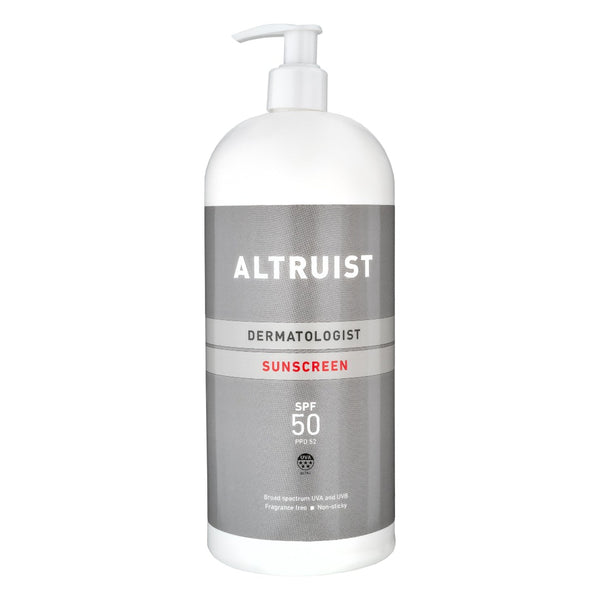
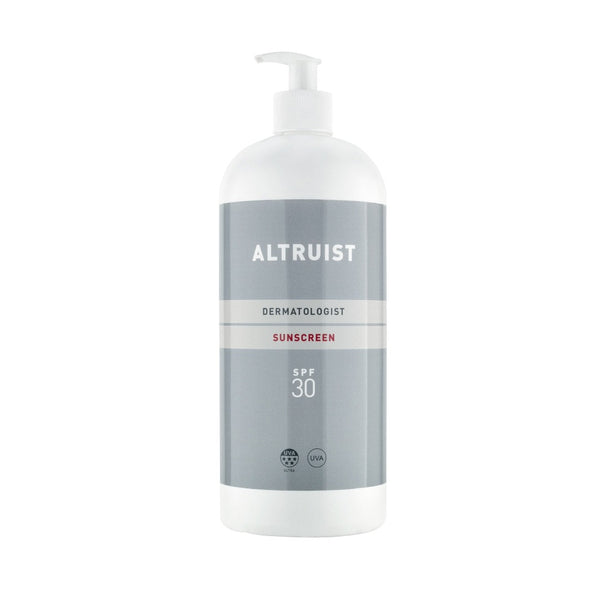
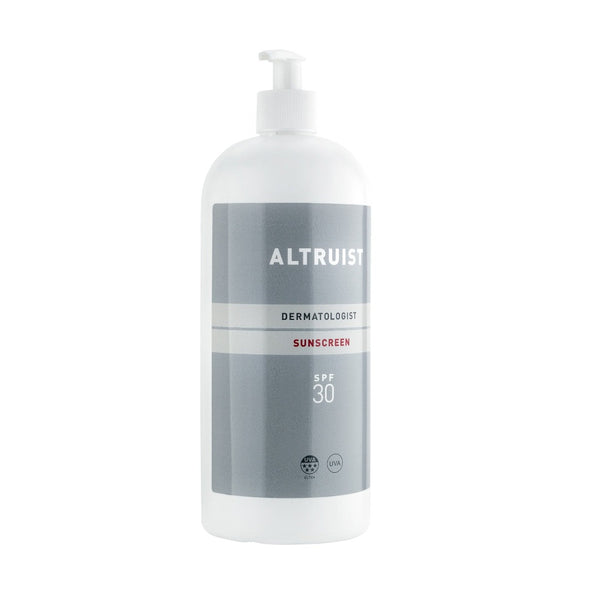
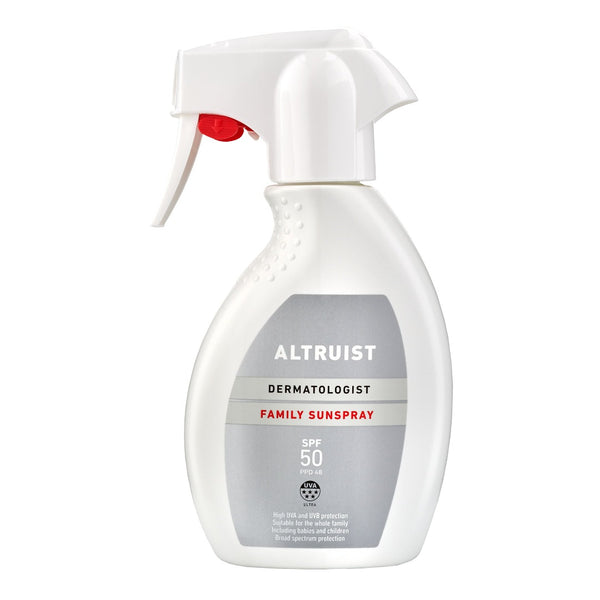
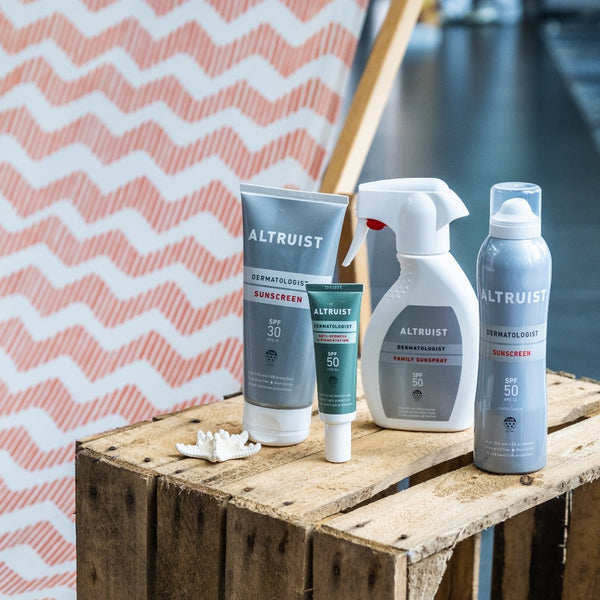
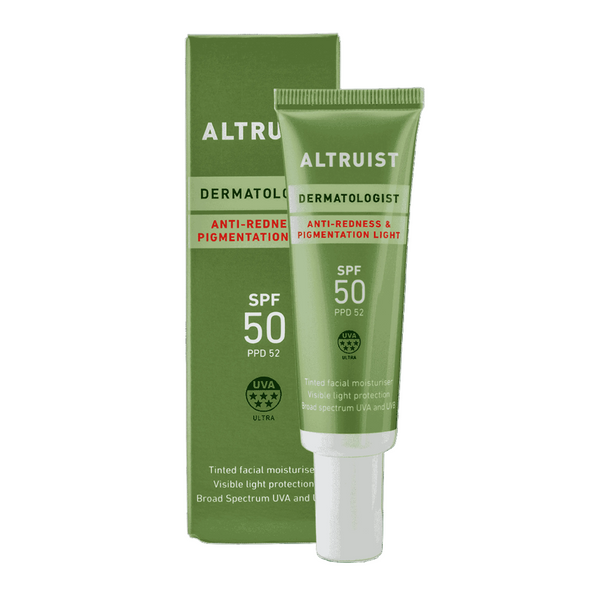
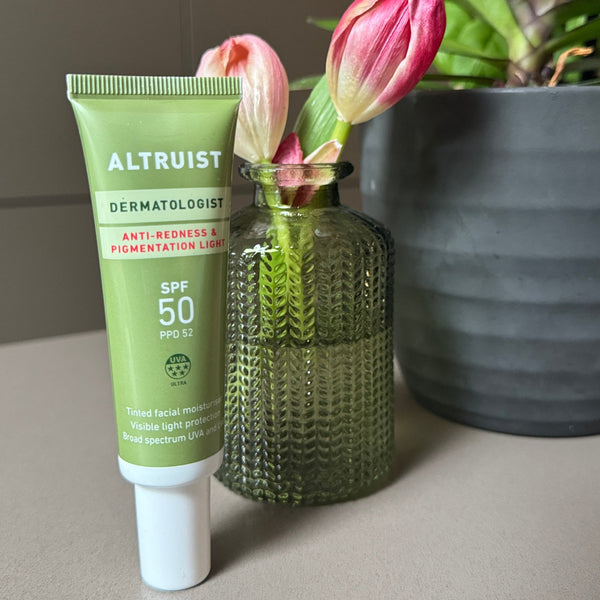
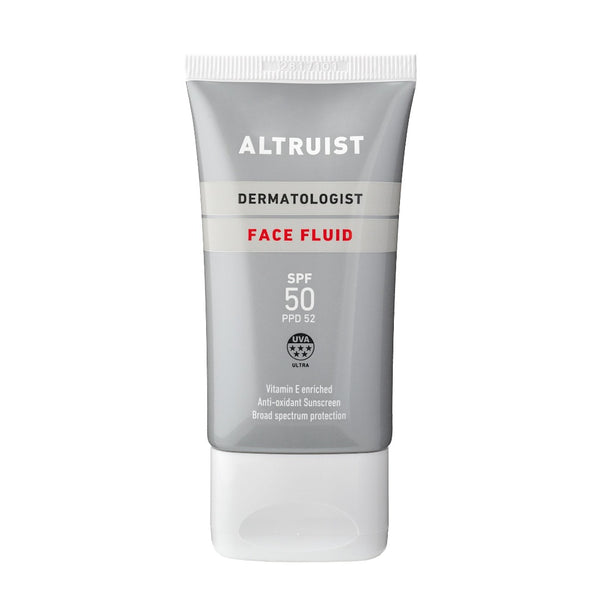
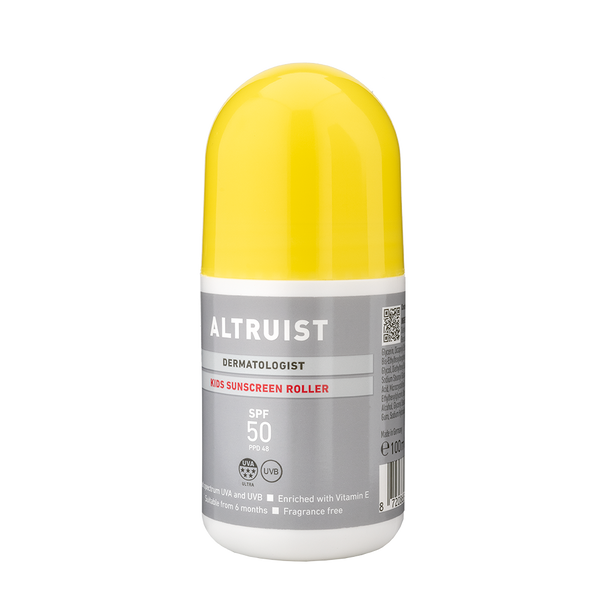
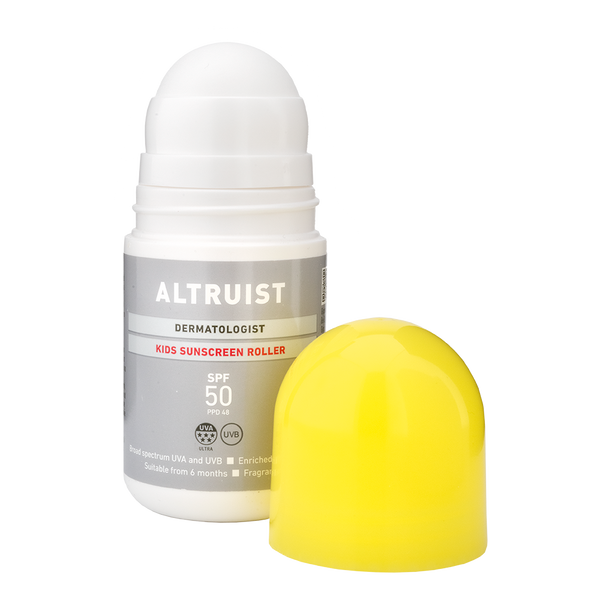
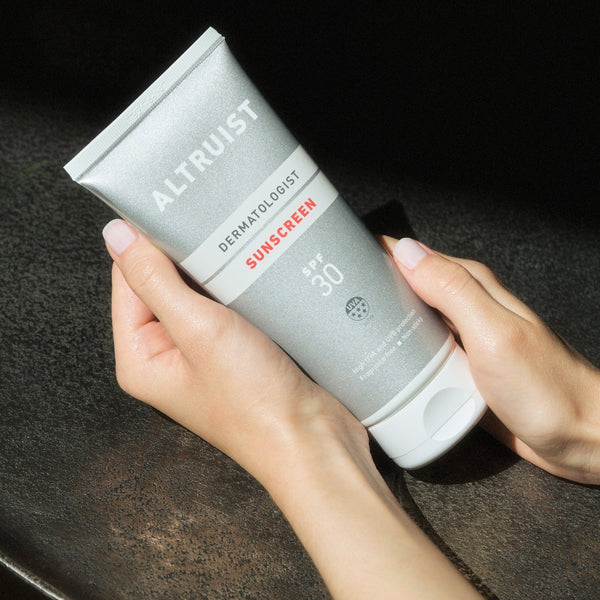
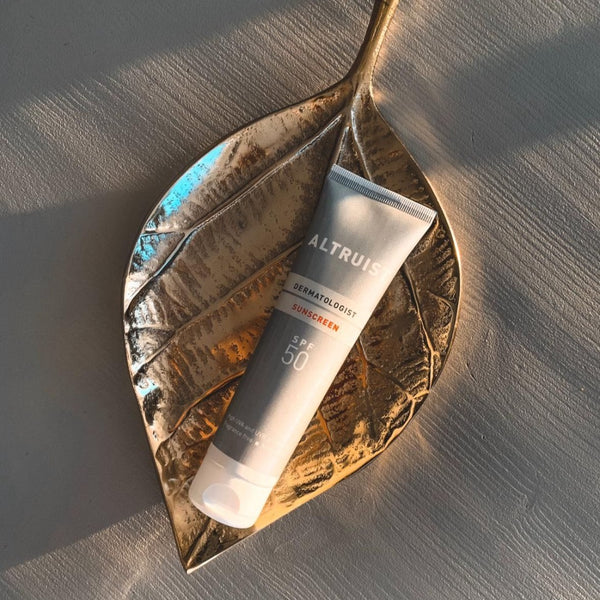
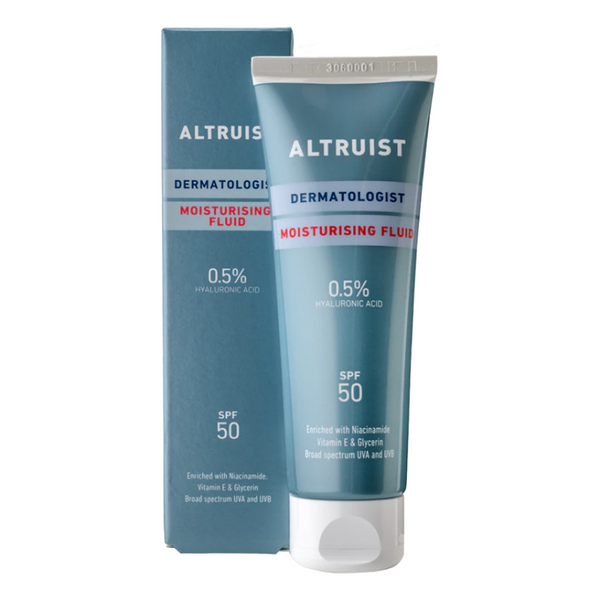
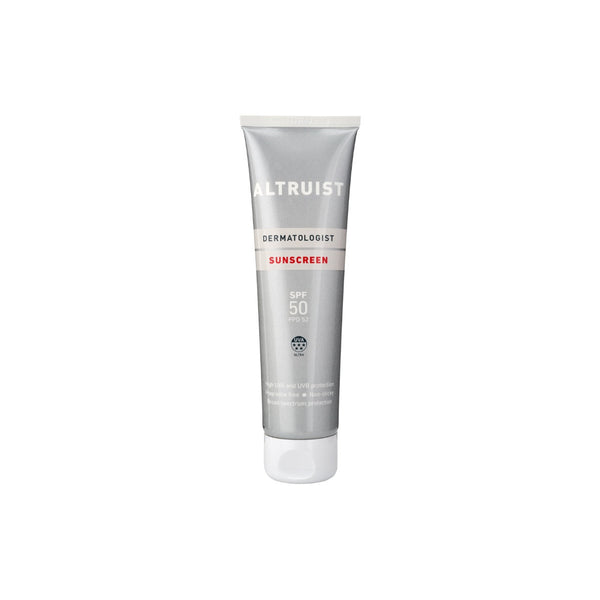
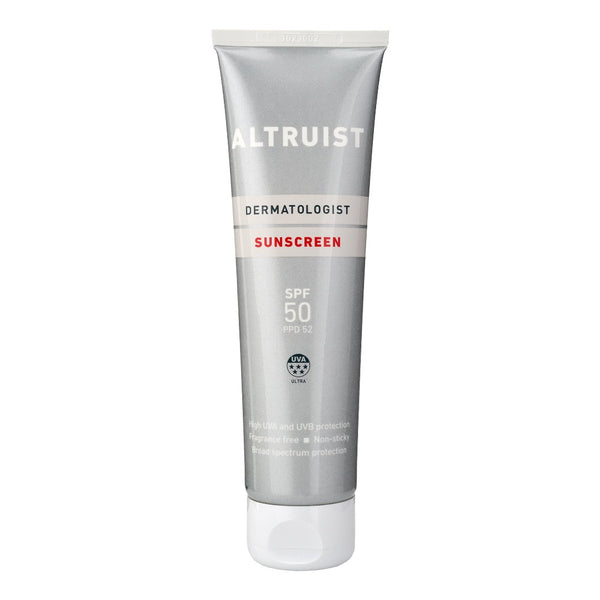
A big share of our bestsellers here are from Altruist. The SPF50 is fragrance free and non-comedogenic, and it comes in 100ml for your bag or a 1 litre bottle for family holidays. The Invisible Sunspray goes on quickly, which helps with children who won't keep still.

shop altruist sunscreen spf50

Face Sunscreens and SPF Moisturisers for Every Day

Daily SPF is easier when it feels like skincare. Dermalogica's Dynamic Skin Recovery SPF 50 is a moisturiser with SPF built in, so it replaces a step rather than adding one.

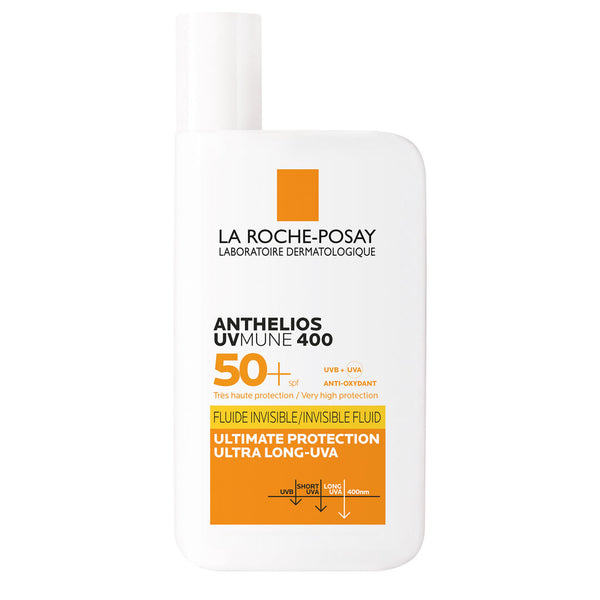
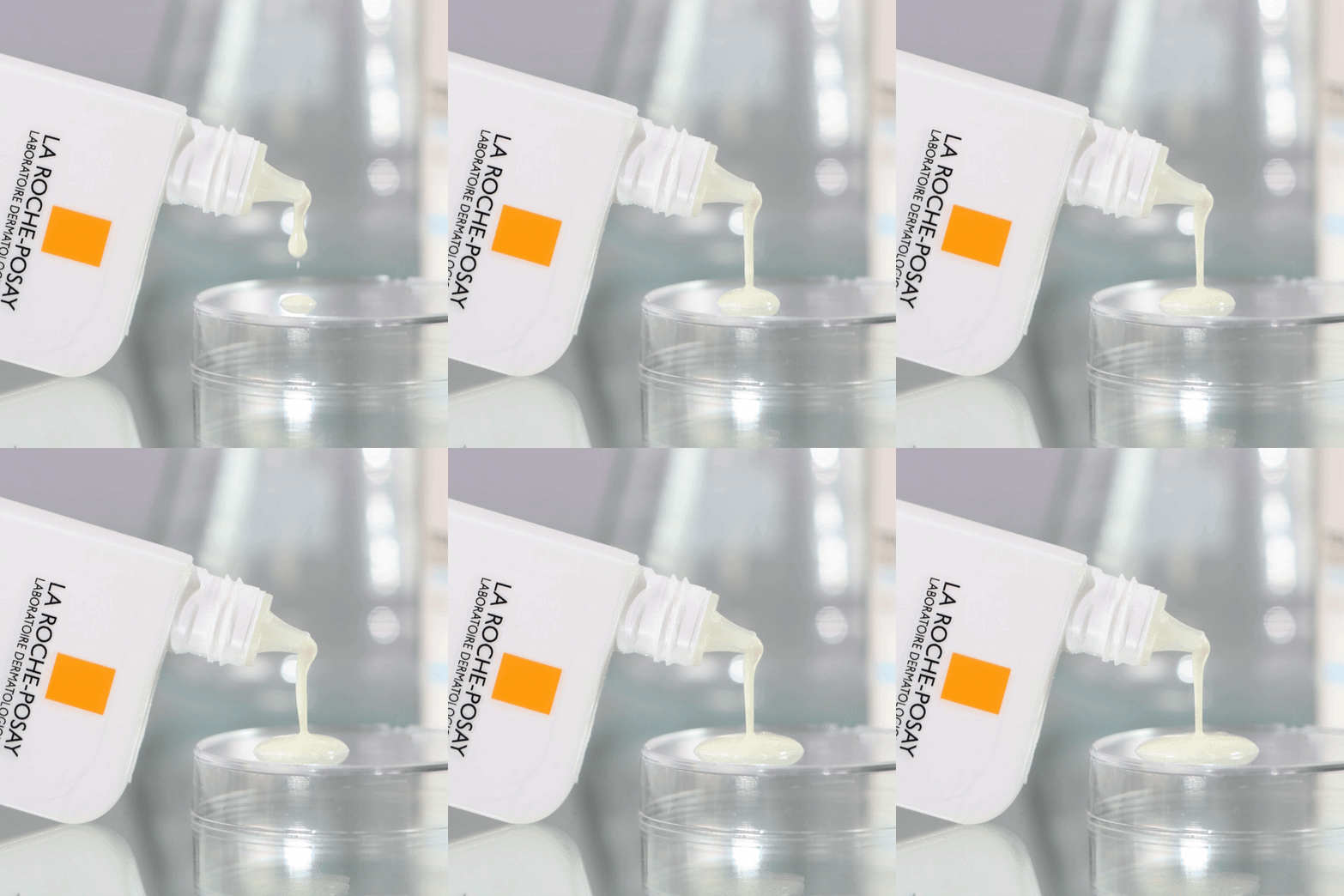
Prefer to keep them separate? La Roche-Posay's Anthelios UVmune 400 Invisible Fluid is light and fragrance free, and it leaves no white marks. You can use it around your eyes too.

shop face sunscreens

Tinted Sunscreens That Do a Little More

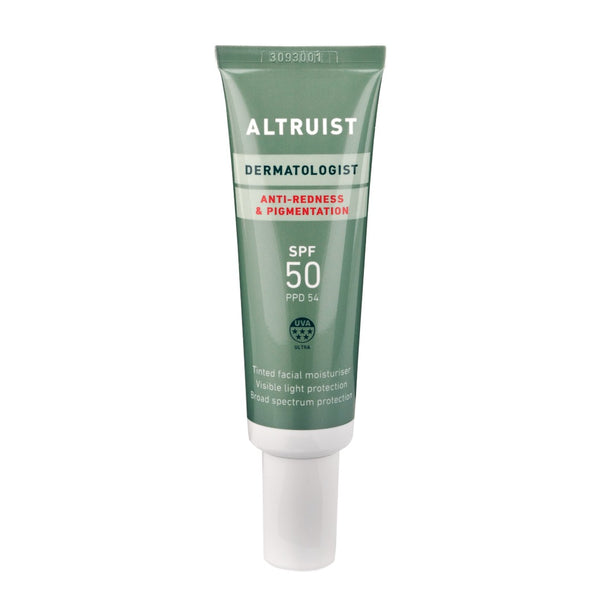
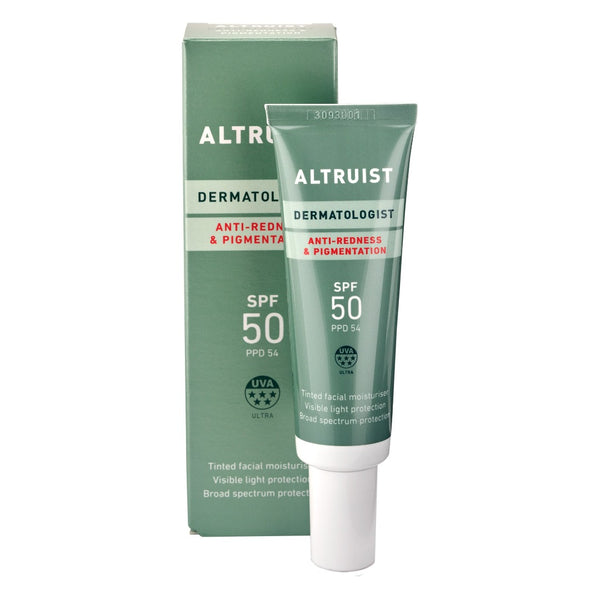
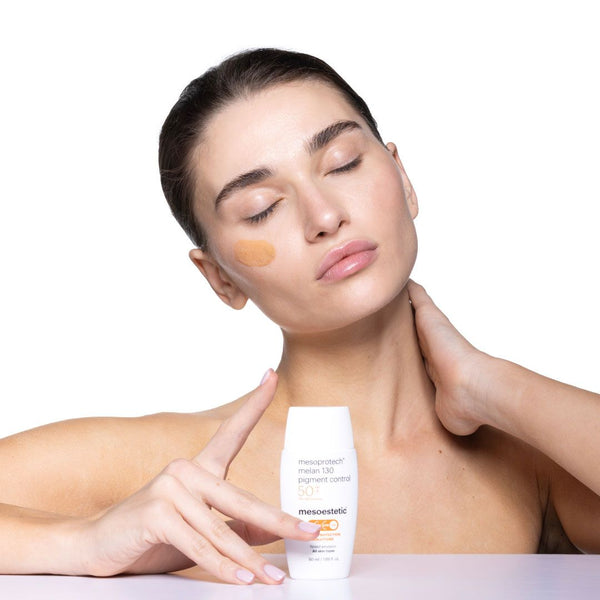
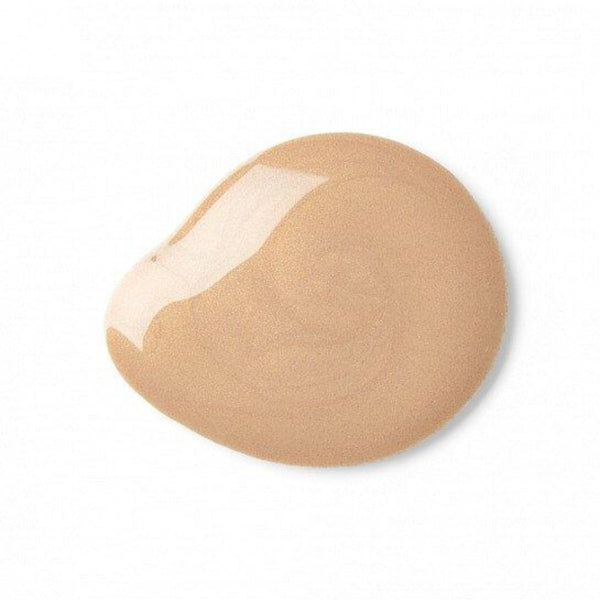
Colorescience's Sunforgettable Face Shield Glow is a 100% mineral SPF 50 with 12% zinc oxide and a glowing tint. If dark spots are your concern, mesoestetic's Melan 130 is a tinted fluid made to help prevent pigmentation forming. Both are lightweight.

shop tinted sunscreens

Our Expert Tip for Sunscreen

"Keep a small bottle in your bag or desk drawer. Reapplying is the step most people skip, and it's much easier when sunscreen is within reach. If you're wearing makeup, a spray or a light fluid is the quickest way to top up."

- Kimberley, Face the Future Skincare Expert.

take the free skin test

Frequently Asked Questions

Is sun cream the same as sunscreen?

Yes. Sun cream and sunscreen are two names for the same thing. Sunblock is an older name that you still see, and it's sometimes used for mineral formulas.

Which SPF should I choose?

SPF 30 is a sensible everyday choice for most people. Go for SPF 50 if you burn easily or you'll be in strong sun for long stretches. Either way, how much you put on and how often you top up matter as much as the number.

What does broad spectrum mean?

It means the sunscreen protects against both UVB and UVA. UVB is the type that burns, while UVA reaches deeper and is linked to skin ageing. Check the label for both.

Can I wear sunscreen every day, even in winter?

Yes. UV is lower in a UK winter, but UVA is around all year, even on cloudy days. An SPF moisturiser is the easiest way to make it a habit, because it's one less step.

Do I need a different sunscreen for my face and body?

Not always, and many sunscreens suit both. Face formulas are usually lighter, though, so a body one can feel heavy on your face. If it does, switch to one made for the face. Our face sunscreens page has plenty.

What's the difference between mineral and chemical sunscreen?

Mineral sunscreens use ingredients such as zinc oxide to sit on the skin and reflect UV. Chemical ones use filters that absorb it. Both work. Chemical formulas tend to feel lighter, while mineral ones can leave a white cast, although many are tinted or blended to avoid it. You'll find them on our mineral sunscreens page.

Which sunscreen is best for sensitive skin?

Start with fragrance free formulas. Mineral sunscreens are often gentler too. Patch test a new one on your inner arm before you use it on your face.

Can children use sunscreen?

Yes, but choose one made for children, with a high SPF and water resistance, and apply it generously. Babies under six months should stay out of direct sun, so speak to your GP or health visitor. Our children's sunscreens page has the options.

Which sunscreen works best under makeup?

A light fluid or gel usually sits best under makeup. Give it a few minutes to settle before you start, and use a spray to top up over the top.