Is Your Skin Looking Dull After Summer? What Your Body Might Be Missing
–
7 min read
By Megan Hallett, Registered Nutritional Therapist and Head of Nutrition at NOA · September After a summer of sunshine, some fading of your holiday glow is expected. But for a lot of...

By Megan Hallett, Registered Nutritional Therapist and Head of Nutrition at NOA · September
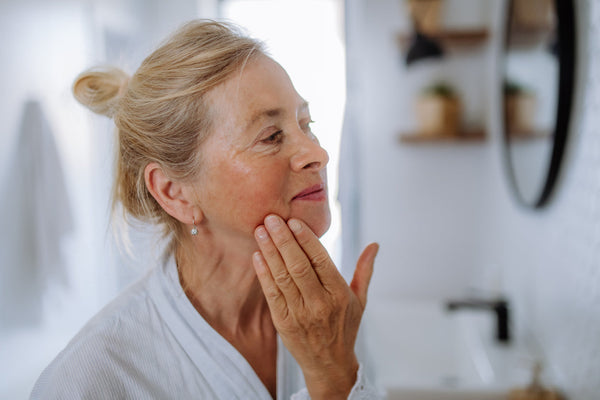
After a summer of sunshine, some fading of your holiday glow is expected. But for a lot of women, autumn arrives and skin looks duller and more tired than the season alone explains. Before reaching for another highlighter, it is worth asking whether your skin is actually trying to tell you something about what is happening underneath it.
Dull, dry or dehydrated? Knowing the difference
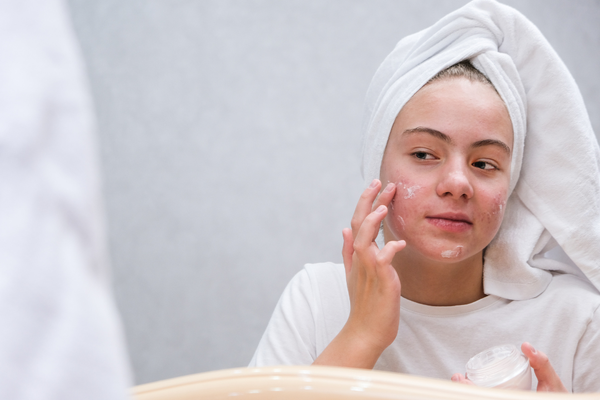
It helps to untangle these three, because they are not quite the same thing and the fix is not always the same either. Dry skin is a skin type. It means your skin does not produce enough oil, so it can feel rough, flaky or tight most of the time, whatever the season. Dehydrated skin is different. It is a lack of water rather than oil, and it can affect any skin type, including oily skin. Dehydration tends to be more temporary and more tied to what is going on around you and inside you, things like central heating, alcohol, or simply not drinking enough. Dullness often sits on top of both, since skin that is dry, dehydrated, or both tends to reflect light less evenly, which is part of why it looks tired rather than radiant. If your skin feels tight after cleansing but still looks a little shiny, that points more towards dehydration. If it feels rough and flaky no matter what you put on it, that is more likely dryness. Either way, this is where nutrition starts to matter, because hydration and skin barrier health are not only about what you apply.
What summer does to your skin, and what comes after
Sun exposure, chlorine, salt water and long days outdoors all place real demands on skin, even when it looks bronzed and healthy at the time. As the weather turns and central heating creeps back in, the moisture skin was relying on all summer starts to disappear, and dullness becomes much more noticeable.
Why your skin changes as autumn sets in
Some of this comes down to the air around you. Humidity drops noticeably from September onwards, and cooler outdoor air simply holds less moisture than the warm air you have got used to. Add central heating indoors, which strips moisture out of the air even further, and skin that coped perfectly well through a humid July can start to feel tight and look dull within a couple of weeks of the heating going on. This sits on top of the after-effects of summer itself. Sun exposure, chlorine and salt water all draw moisture out of skin, and the impact is not always obvious until the weather changes and skin has less to fall back on.

The nutrients behind healthy-looking skin
Skin dullness is not only about what you put on your face. Iron and ferritin play a role in delivering oxygen to skin cells, and low iron is a common, often overlooked reason skin can look pale and tired. Vitamin D levels naturally dip as summer ends, and low levels are linked with a lacklustre complexion as well as low energy. B12 supports normal energy-yielding metabolism and cell renewal, both of which show up in how skin looks and feels. Thyroid function is another one worth knowing about, since dry, dull skin is a common and often under-recognised sign.
Other signs worth paying attention to
Dull skin rarely travels alone. If you are also noticing fatigue that a good night's sleep does not fix, hair that is shedding more than usual, a paleness that make-up cannot quite cover, or dryness that goes beyond your face, it is worth looking at the bigger picture rather than treating skin in isolation. Low iron and ferritin are common in women. National data suggests around half of women of reproductive age have ferritin levels below 30 µg/L, often without realising it. Vitamin D naturally dips as the days get shorter, B12 supports the energy metabolism and cell renewal that keep you feeling and looking like yourself, and thyroid function is worth knowing about too, since dry, dull skin is a common and often under-recognised sign. None of that shows up in a mirror check. It shows up on a blood test, which is exactly where NOA's blood test and nutritionist consultation come in, checking markers like these and helping you understand what they actually mean for you.
Supporting your skin from within
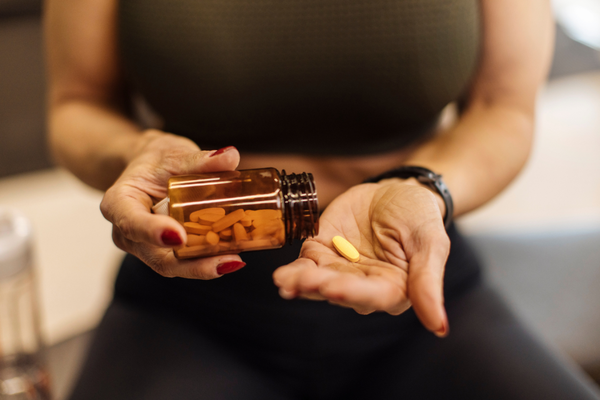
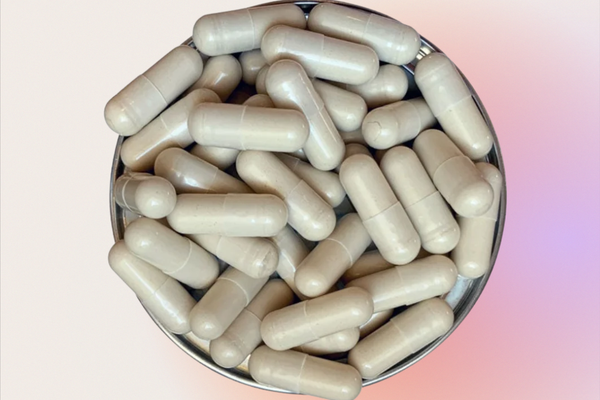
Hydration is a good place to start, since even mild dehydration affects how plump and radiant skin appears. The Humantra Trial Box Electrolyte Powder, 8 Sachets is an easy addition, especially during exercise days or when you are sweating. Advanced Nutrition Programme Skin Vit C is another good option that combines vitamin C, zinc and acerola berry, three ingredients known to support skin brightness and offer antioxidant protection from within.
Food first: what to eat for healthy-looking skin
Before you reach for a supplement, it is worth looking at your plate. Vitamin C, found in citrus fruit, peppers and berries, supports collagen production and works well alongside iron-rich foods like red meat, lentils and spinach, since vitamin C helps your body absorb iron more effectively. Protein matters too, as skin repair and collagen production both rely on it, so try to include a source at each meal. Zinc, found in nuts, seeds and shellfish, and healthy fats from oily fish, avocado and olive oil, both support the skin barrier that keeps moisture in. And do not underestimate hydration itself. Water-rich foods like cucumber and melon count alongside what you drink, not instead of it.
When it is worth looking deeper
If dullness is showing up alongside fatigue, hair changes, or just a general sense that something is off, it is worth looking a little closer than another serum. A blood test covering iron, vitamin D, B12 and thyroid function, paired with a nutritionist consultation, can help you understand what your skin might genuinely be missing.
At NOA, our blood test checks 30 key markers across iron status, vitamins, thyroid function and hormones, and every result comes with a consultation to talk it through in plain English. It is always worth speaking to a human nutritionist rather than putting your symptoms into an AI chatbot, particularly for women's health, where the underlying research is still limited compared with other areas of medicine.
Your skin tells a story about what is happening inside your body, not just what happened on your summer holiday. Sometimes it is worth listening properly.
Megan Hallett is a Registered Nutritional Therapist and Head of Nutrition at NOA (Now Often Always), a women's health platform offering personalised blood testing and nutrition support. This article was written for Face the Future as part of NOA's ongoing partnership, and is for educational purposes only.
Book Your NOA Now Plan Today