Menopause Skincare Products

Taking Care Of Your Skin During Menopause

Curated by our skin experts, this menopause skincare collection features trusted products we regularly recommend for dry, itchy, sensitive and changing skin. As oestrogen levels fluctuate and decline, your skin can feel less firm, less comfortable and more reactive than usual, which is why menopausal skincare often needs a more tailored approach.

Some skin types benefit from barrier-supporting formulas with ceramidesniacinamide and hyaluronic acid, while others respond well to retinoids, peptides and antioxidant serums to help support firmness, brightness and smoother-looking texture. If hormonal changes have also triggered congestion or blemishes, gentle exfoliators and calming ingredients can help without compromising the skin barrier.

Sort by

Filter 48 products

Brand
Product Type
Skin Type / Area
Hair Type / Area
Suitable For
Key Ingredient
Availability

menopause skincare

About Menopause Skincare Products

Menopause and perimenopause can affect your skin in several ways, often all at once. As oestrogen levels drop, skin naturally produces less oil and can lose moisture more easily. This can leave skin feeling dry, tight or rough, while reduced collagen can contribute to changes in firmness, bounce and the appearance of fine lines. For some, menopausal skin becomes more sensitive or reactive than it used to be.

Products that once felt fine may suddenly sting, while flushing, visible redness and itchiness can become more common. Others notice hormonal blemishes, especially around the jawline and lower face, as fluctuating hormones affect oil production and skin balance. When choosing skincare for menopausal skin, it helps to focus on ingredients that support hydration, barrier repair, firmness and overall skin resilience.

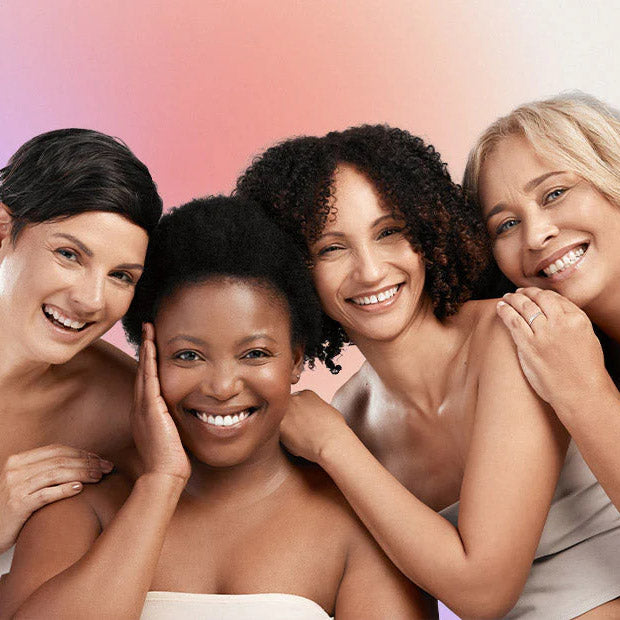
Skin Confidence During Menopause with Face the Future

What We Say...

"Menopause is a transitional stage in our lives and can really disrupt the balance of our skin. But it's important to know that there are lots of incredible products out there that will help you to take care of your skin and your wellbeing, too. From innovative skincare formulas to supportive supplements, discover our collection of products that will help you to feel great from the inside out."

- Julia, Director

Read Our Menopause Report

Common Menopausal Skin Concerns

Menopausal and perimenopausal skin doesn’t look the same for everyone, but there are a few concerns we see again and again.

Dryness and Dehydration: Lower oil production can leave skin feeling drier, tighter and less supple. Dehydrated skin may also look dull and show fine lines more easily.

Itchy or Sensitive Skin: Itchy skin from menopause is a common concern we see from our community. When your skin barrier becomes weaker and moisture levels drop, skin can feel irritated, fragile or uncomfortable more often.

Loss of Firmness: As collagen and elastin naturally decline with age and hormonal change, your skin can appear thinner and less resilient.

Dullness and Uneven Texture: Slower skin renewal and dryness can lead to a lacklustre complexion, rough patches and skin that no longer feels as smooth as it once did.

Hormonal Breakouts: Menopause is not always just about dryness. Some of our community experience spots, congestion or blemishes during perimenopause and menopause, especially when hormones fluctuate unpredictably.

Best Ingredients In Menopause Skincare

Hyaluronic Acid: A go-to for dehydrated skin, hyaluronic acid helps draw water into the skin so it feels fresher, smoother and more comfortable.

Ceramides: Ceramides help strengthen the skin barrier and reduce moisture loss, making them especially useful for menopause dry skin and skin that feels easily irritated.

Niacinamide: Niacinamide helps support the barrier, improve the look of uneven tone and reduce the appearance of redness, while still feeling gentle on many sensitive skin types.

Peptides: Peptides are often included in menopause skincare products to help support firmer, smoother-looking skin and a more resilient complexion.

Retinoids: Retinoids can help improve the look of fine lines, texture and uneven tone by encouraging skin renewal. If your skin has become more sensitive, it is usually best to introduce them gradually.

Vitamin C: Vitamin C helps brighten dull-looking skin and supports a more even-looking complexion, while also providing antioxidant protection.

Gentle Exfoliating Acids: Mild exfoliating acids can help smooth rough texture and restore radiance, but menopausal skin usually benefits more from a measured approach than from over-exfoliation.

How To Build A Menopause Skincare Routine

A strong menopause skincare routine does not need to be complicated. In most cases, consistency matters more than using too many actives at once.

  1. Cleanse Gently: Choose a cleanser that removes makeup, sunscreen and daily build-up without leaving skin stripped or tight.
  2. Add A Targeted Serum: This might be a hydrating face serum with hyaluronic acid, a brightening vitamin C serum, or a retinoid if your focus is texture and visible signs of ageing.
  3. Use A Nourishing Moisturiser: Look for moisturisers with barrier-supporting ingredients such as ceramides, squalane, niacinamide or peptides to help skin feel more comfortable and supported.
  4. Protect With SPF: Daily sunscreen is essential, especially when skin is already more vulnerable to dryness, sensitivity and visible signs of ageing.
  5. Keep Your Skincare Routine Consistent: If your skin is more reactive than usual, avoid introducing lots of strong products at once. A simple, supportive routine is often the best place to start.

Menopause Treatments For Your Changing Skin

The right menopause treatments for your skin will depend on the symptoms you are trying to manage. For many, effective treatment starts with well-chosen skincare that helps restore hydration, support the barrier and improve the appearance of tone, firmness and texture over time.

At-home menopause skincare products can help with:

  • Dry, uncomfortable skin
  • Itchy-feeling or sensitive skin
  • Dullness and uneven texture
  • Fine lines and loss of firmness
  • Hormonal blemishes during perimenopause or menopause

If wider menopause symptoms are affecting your quality of life, it may also be worth speaking to your GP or healthcare professional for broader advice and support. At Face the Future, our skin experts can help you choose skincare for menopausal skin that feels appropriate for your skin type, concern level and routine preferences.

Frequently Asked Questions

WHAT IS THE BEST SKINCARE ROUTINE FOR MENOPAUSAL SKIN?

The best skincare routine for menopausal skin usually focuses on hydration, barrier support and ingredients that help improve the appearance of firmness, texture and radiance.

Many people benefit from a routine built around gentle cleansing, a targeted serum, a nourishing moisturiser and daily SPF. Ingredients such as hyaluronic acid, ceramides, niacinamide, peptides and retinoids are often useful depending on your skin’s needs.

WHY DOES MENOPAUSE CAUSE DRY SKIN?

Menopausal dry skin is commonly linked to lower oestrogen levels. As hormone levels decline, your skin tends to produce less oil and hold onto moisture less effectively. This can leave skin feeling tighter, rougher, duller and more uncomfortable than before.

CAN MENOPAUSE CAUSE ITCHY SKIN?

Yes, itchy skin is a common symptom of menopause. If and when the skin barrier becomes weaker and moisture levels fall, your skin can feel drier, more fragile and more reactive than before. Using gentle, barrier-supporting menopausal skincare products can help improve comfort and reduce the feeling of irritation.

WHAT ARE THE BEST MENOPAUSE SKINCARE PRODUCTS?

The best menopause skincare products will depend on whether your main concern is dryness, sensitivity, breakouts, dullness or loss of firmness. In general, hydrating serums, barrier-repair moisturisers, antioxidant formulas, gentle retinoids and broad-spectrum SPF are some of the most helpful product types to look out for.

IS PERIMENOPAUSAL SKIN CARE DIFFERENT FROM MENOPAUSAL SKINCARE?

Yes, it can be. Perimenopausal skin care often needs to account for more fluctuation, as hormones can rise and fall unpredictably. Some of our community notice a mix of dryness, sensitivity and hormonal blemishes during this stage, so routines often need to be flexible and balanced.

CAN YOU GET ACNE SPOTS DURING MENOPAUSE?

Yes. Although menopause is often associated with dryness, hormonal fluctuations can also contribute to acne and congested skin, particularly during perimenopause. The best approach is usually a routine that keeps pores clear while still protecting the skin barrier.

WHICH INGREDIENTS SHOULD I LOOK FOR IN SKINCARE FOR MENOPAUSAL SKIN?

Useful ingredients for skincare for menopausal skin often include hyaluronic acid for hydration, ceramides for barrier support, niacinamide for balance, peptides for smoother-looking skin, vitamin C for brightness and retinoids for texture and visible signs of ageing.

The right combination will depend on your skin’s tolerance and priorities.

SHOULD I USE RETINOL DURING MENOPAUSE?

Retinol can be a helpful part of a menopause skincare routine, especially if you want to target the appearance of fine lines, uneven tone and rough texture.

However, menopausal skin can be more sensitive, so it is usually best to introduce retinol gradually and pair it with hydrating, barrier-supportive products

HOW LONG DOES IT TAKE TO SEE RESULTS WITH MENOPAUSAL SKINCARE?

You should start to notice changes with 4-8 weeks of consistent use. From here, you’ll begin noticing changes in your skin’s hydration, comfort and overall appearance.

Improvements in firmness, texture and tone often take longer, especially when using ingredients such as retinoids or peptides.