 AU
AU
 AT
AT
 BE
BE
 BG
BG
 CA
CA
 HR
HR
 CY
CY
 CZ
CZ
 DK
DK
 EE
EE
 FI
FI
 FR
FR
 DE
DE
 GR
GR
 GG
GG
 HU
HU
 IM
IM
 IT
IT
 JE
JE
 LV
LV
 LT
LT
 LU
LU
 MT
MT
 NL
NL
 NZ
NZ
 PL
PL
 PT
PT
 RO
RO
 SK
SK
 SI
SI
 ES
ES
 SE
SE
 GB
GB
 US
US
Acne Creams, Serums & Supplements
Acne Creams, Serums & Supplements
Quick filters

Quick filters
Filter 393 products


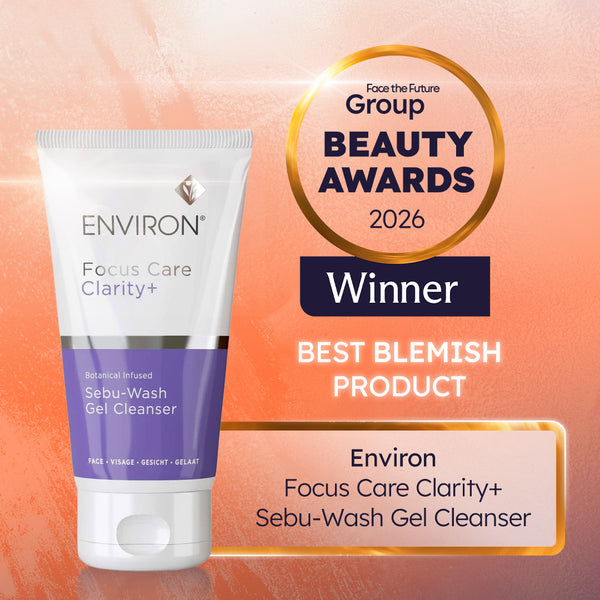


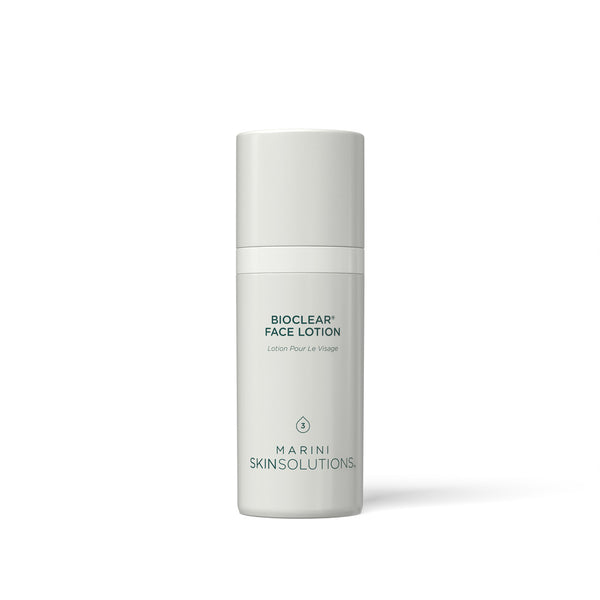

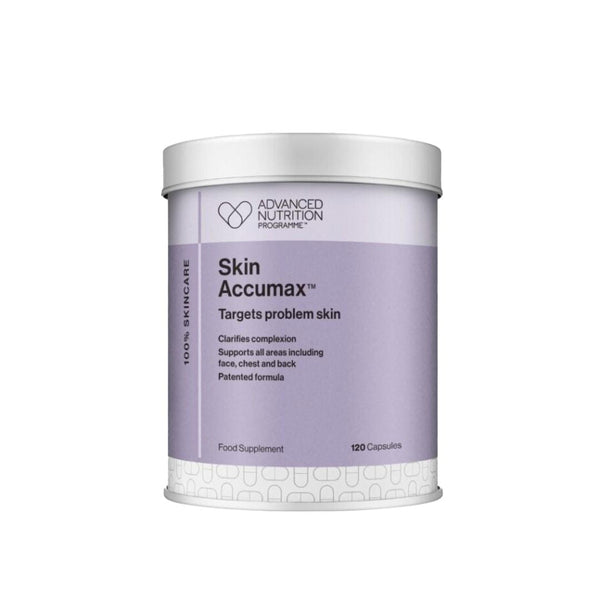










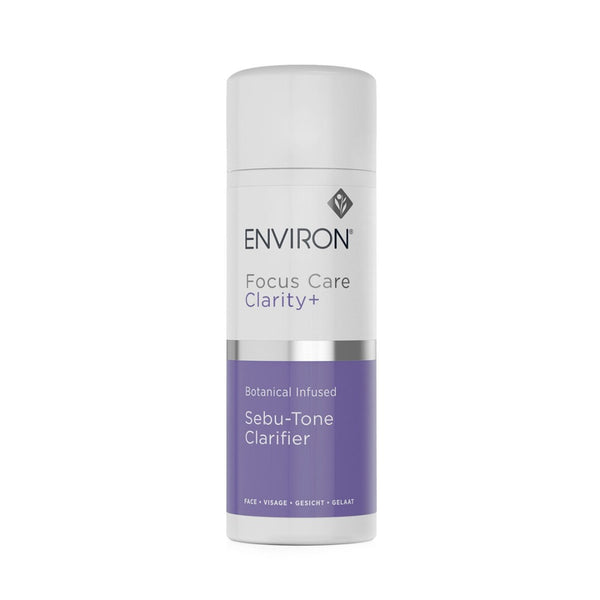




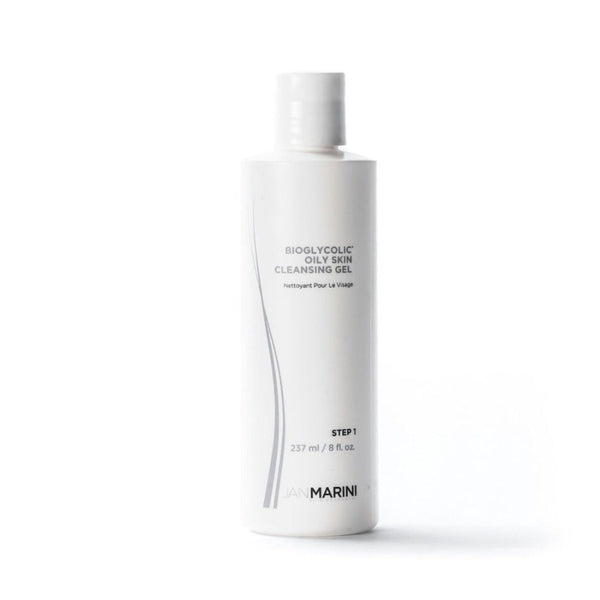


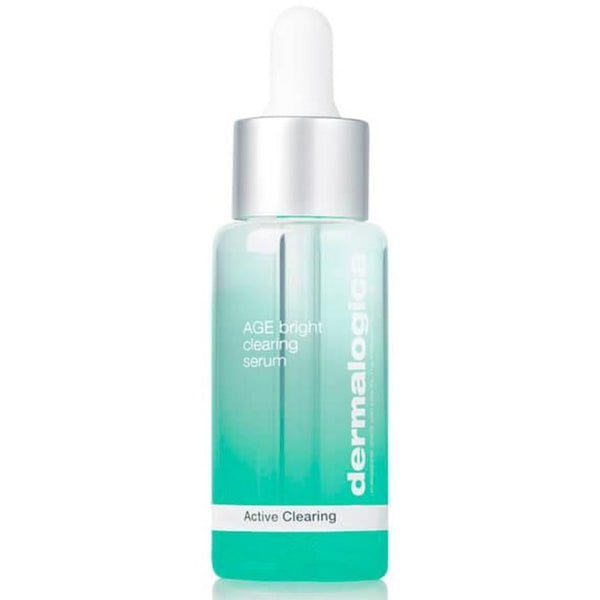
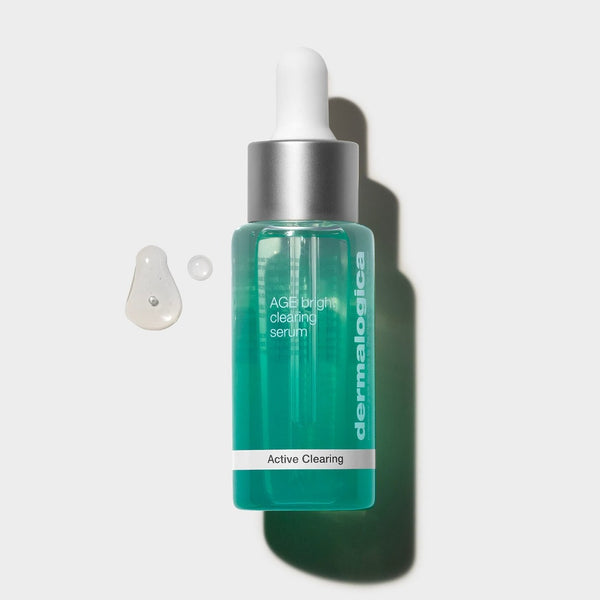

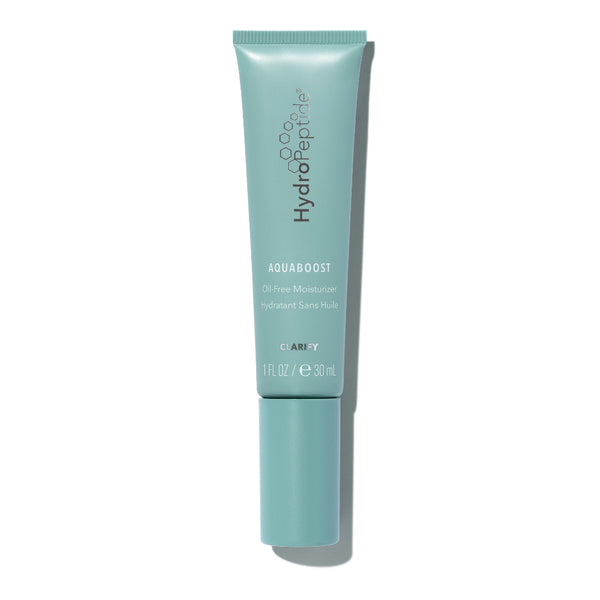
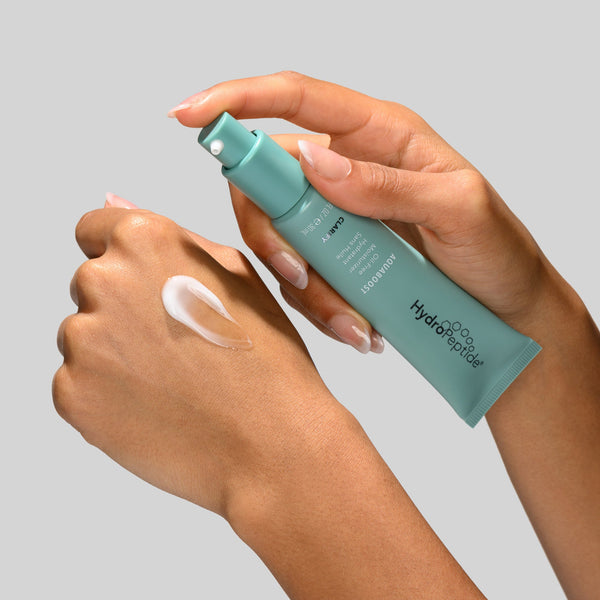


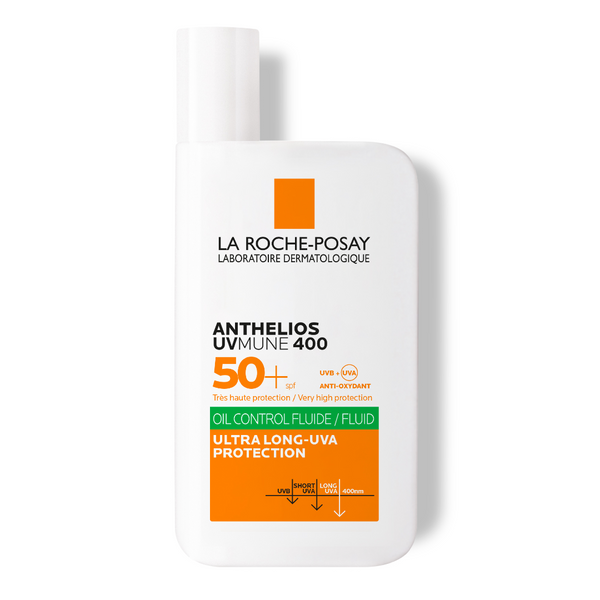

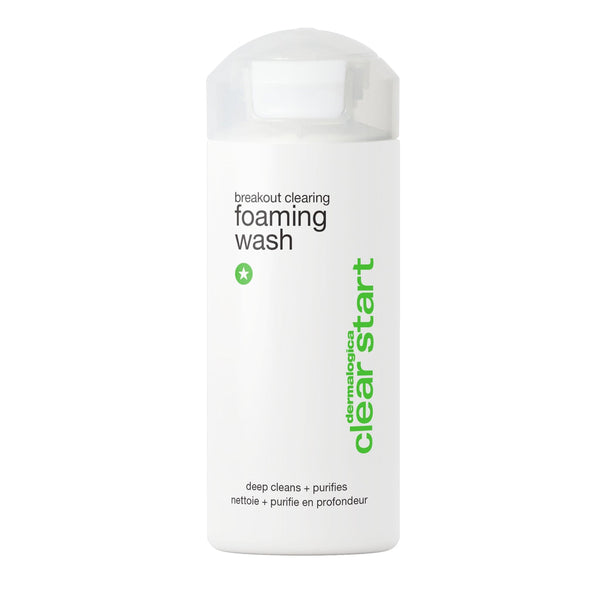


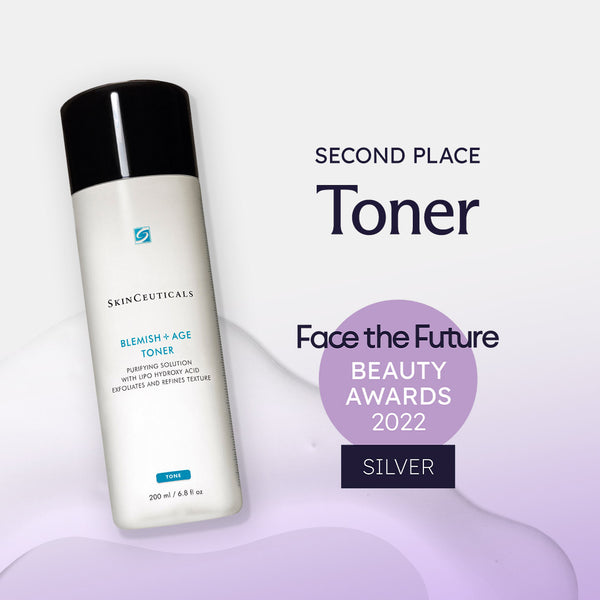
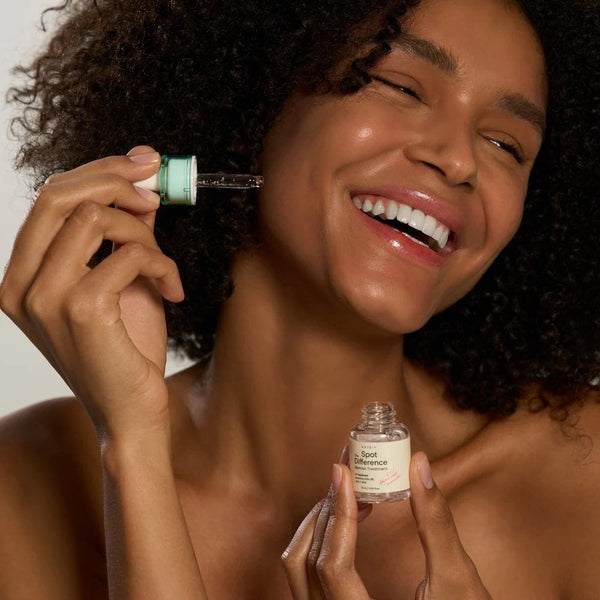
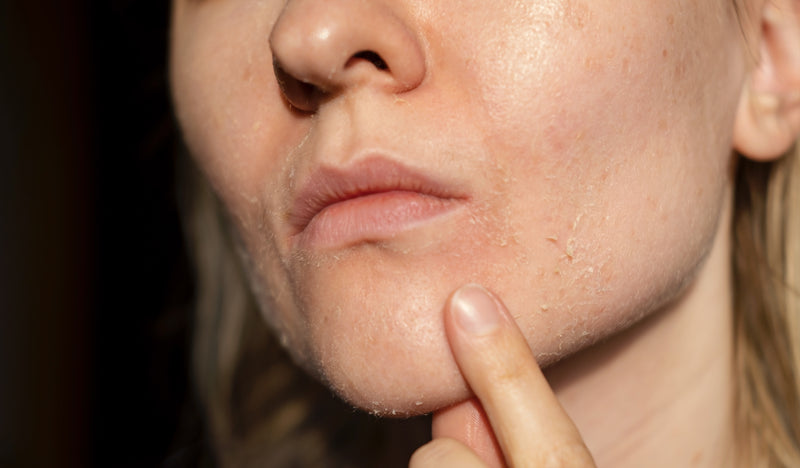
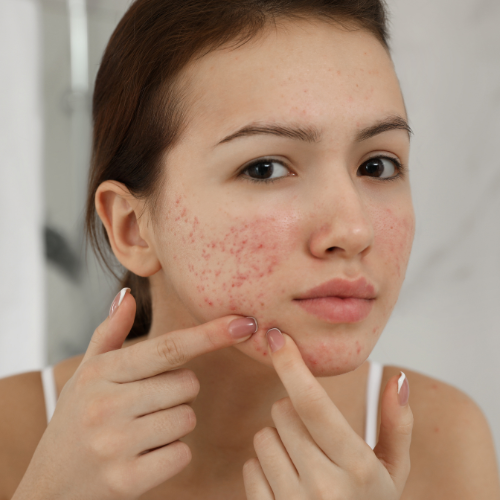
Blemish-prone skin is skin that is more likely to develop spots, pimples, blackheads, whiteheads, blocked pores, redness or inflamed blemishes. It can be oily, dry, sensitive, combination or dehydrated.
Common triggers for blemished skin include:


Stay Hydrated With Our Latest Electrolytes!
Enjoy exclusive free gifts on selected skincare, haircare, and wellness purchases while stocks last.

Your Exclusive Deals & Offers
Up To 50% Off Autumn Sale
save nowThe Winter Radiance Edit
shop nowFree Gifts With Purchase
Shop Now15% Off Allies of Skin
save nowUp To 15% Off SkinCeuticals
save now25% Off Neostrata
save nowUp to 35% Off ESPA
save now35% Off FAQ
Shop NowSave 15% On Your First Order
Download HereSubscribe & Save For Up To 20% Off
save now


