Sun Damage, SPF Myths & Heliocare: Dr Emma Wedgeworth Answers Your Biggest Sun Protection Questions
Sun damage does not always look like sunburn. In our latest Skincare & Beyond podcast episode, Dr Emma Wedgeworth joins Face the Future to explain how UV exposure affects skin over time,...

Sun damage is one of those skincare topics we all think we understand. Sunburn? Bad. SPF? Good. Tanning? Complicated.
But in reality, sun damage is rarely one dramatic moment. It is not always the beach day when you forgot to reapply, or the holiday when your shoulders turned pink by lunchtime. More often, it is the everyday exposure that quietly builds over time: walking the dog, sitting near a window, running outside, watching sports day, or assuming the UK sun doesn’t really count.
In the latest episode of Skincare & Beyond, Face the Future sat down with Dr Emma Wedgeworth, Consultant Dermatologist and UK ambassador for Heliocare, to talk about what sun damage really looks like, why SPF habits still do not always match awareness, and how Heliocare is helping people take a more advanced approach to daily sun protection.
What does sun damage look like?
Sun damage is not always obvious at first. According to Dr Emma, the early signs can start with changes many people may dismiss as part of everyday skin ageing.
In clinic, she commonly sees:
- Pigmentation
- Fine lines
- Changes in texture
- Uneven tone
- Redness
- Fixed blood vessels
- Roughness
- Enlarged-looking pores
- Skin growths or skin cancers
Dr Emma explains that patients in their late 20s and early 30s may begin to notice fine lines around the eyes, pigmentation or subtle texture changes, and those can often be linked to sun exposure over time.
Does your skin really remember sun damage?
Yes, and this was one of the clearest messages from the episode. Dr Emma explains that while sunburn may visibly heal after a few days, the skin can retain the effects of that damage at a cellular level.

Every burn or repeated episode of excessive UV exposure can contribute to changes in the skin’s DNA. Over time, those small changes can accumulate, affecting how efficiently skin cells behave and increasing the risk of visible ageing and skin cancer.
That is why sun exposure from childhood, teenage years and your 20s can show up much later in life.
Is sun damage reversible?
Some signs can be improved, but prevention is always better than correction.
Once visible signs of ageing or pigmentation appear, there are treatments and skincare strategies that can help soften their appearance. However, Dr Emma is clear that you cannot always fully reverse the changes once they have happened.
It is never too late to start protecting your skin, but it is also never too early to make sun-safe habits part of your routine.
Should we avoid the sun completely?
No, and this is where the conversation becomes much more realistic. Dr Emma describes sun exposure as a J-shaped curve. Too little sun can affect things like vitamin D and mood, while too much significantly increases risk. The aim is not to fear the sun, but to enjoy it sensibly.
Everyone’s tolerance is different. Someone with very fair skin may burn quickly and need to be more cautious, while someone with deeper skin may tolerate more exposure before burning, but can still experience pigmentation, texture changes and long-term damage.
Why do people understand sun damage but still not protect their skin properly?
Face the Future’s annual SPF report found that many people do associate UV exposure with serious risks, yet behaviour does not always match that awareness.

Dr Emma believes part of the reason is the delay between damage and consequence. Sun damage can take years or even decades to become visible, which makes it harder for people to connect everyday habits with long-term effects.
There is also the short-term appeal of tanning. Many people still associate a tan with looking healthy or feeling holiday-ready, even though a change in skin colour is a sign that the skin has responded to UV exposure.
As Dr Emma puts it, people may understand the risks, but when they are young, it can be hard to think about what their skin might look or feel like decades later.
Does everyday sun exposure really matter?
Yes. Sun damage is not just about holidays. In the UK, Dr Emma explains that the UV index is usually more relevant for skin cancer risk from around April to October. During these months, everyday moments like walking outside, running, playing sport or sitting in the garden can contribute to cumulative exposure.
For visible skin ageing, including pigmentation, fine lines and texture changes, exposure can matter all year round. UVA is more consistent throughout the year than UVB and can still contribute to long-term skin changes, even when it does not feel hot outside.
So, while the beach is an obvious moment for SPF, the everyday moments matter too.
Should you check the UV index every day?
The UV index can be helpful, but Dr Emma’s advice is simple: get into the habit of wearing SPF daily, especially from April to October in the UK.

The issue with relying only on the UV index is that it can make sun protection feel optional. Cloud cover is not always reliable, and conditions can change quickly.
For those focused on preventing visible ageing changes, Dr Emma recommends wearing SPF every day as part of your routine.
How much SPF should you actually use?
For the face, Dr Emma recommends around half a teaspoon, or the equivalent of two finger lengths of sunscreen.
For the body, the amount used in testing is roughly a shot glass, around 30ml. That is more than many people realise, which is why under-applying is so common.
Her practical advice? Apply a generous layer, then apply a little more than you think you need. And if your sunscreen bottle is lasting months and months during regular use, you may not be using enough.
What should you look for when choosing sun protection?
Start with your skin and your lifestyle. Dr Emma recommends considering:
- Whether it is for face or body
- Your skin type
- Texture preference
- SPF level
- Broad-spectrum UVA and UVB protection
- Added skincare benefits
- How easily it fits into your routine
- Whether you can afford to use it generously and consistently
For oily or blemish-prone skin, lightweight and oil-free textures can be helpful. For dry skin, more hydrating formulas may feel better. For pigmentation-prone skin, advanced protection against UVA and visible light can be especially important.
What makes Heliocare different?
Heliocare takes a broad, advanced approach to sun protection. Dr Emma explains that sun protection has evolved far beyond simply preventing sunburn. Today, we understand that UVB, UVA, visible light and infrared can all affect the skin in different ways.

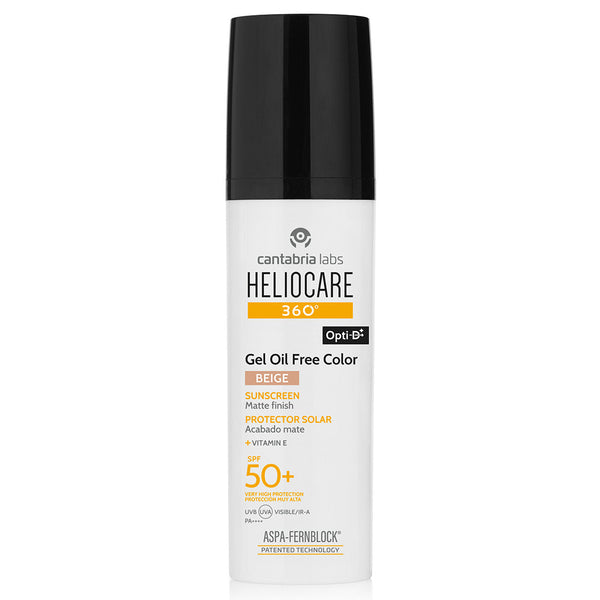
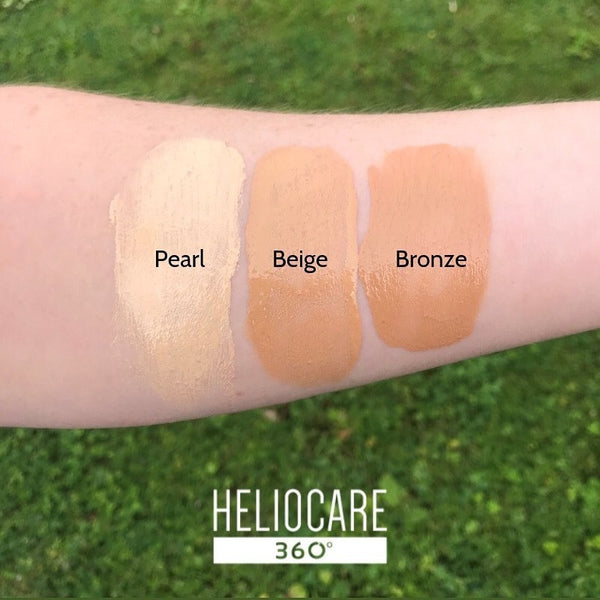
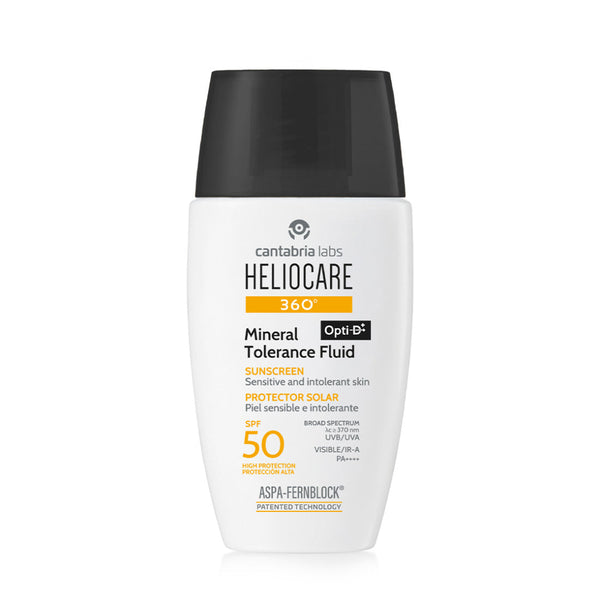
Heliocare is known for broad-spectrum protection, advanced textures and formulas designed for different skin types and concerns, including pigmentation, redness, blemish-prone skin and sensitivity. For Dr Emma, one of the strengths of Heliocare is that it makes sun protection more relevant to a wider range of skin tones and skin needs.




What is Heliocare’s Fernblock technology?
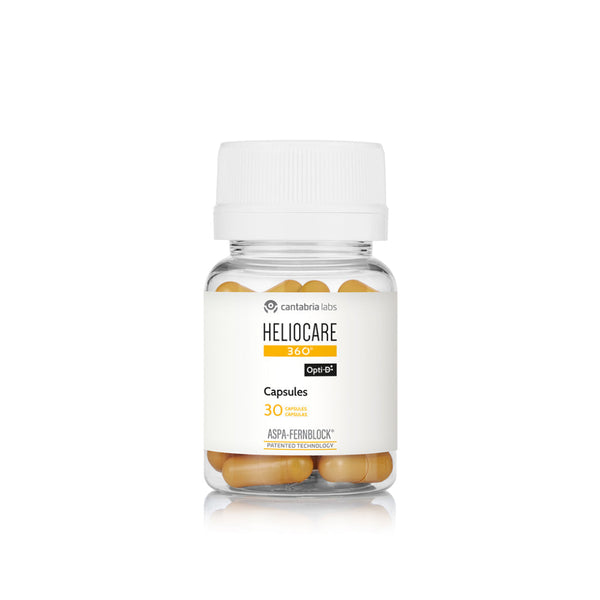
Fernblock is one of Heliocare’s signature technologies, inspired by a fern that adapted from living in water to surviving on land, where it had to protect itself from increased sunlight. The key ingredient, Polypodium leucotomos, is used for its antioxidant properties.
Listen to the full episode
This conversation is packed with expert advice, practical SPF tips and honest myth-busting around sun damage, skin ageing and Heliocare’s advanced approach to protection. To hear the full conversation with Dr Emma Wedgeworth, listen to the latest episode of Skincare & Beyond.